Wallace Ruzvidzo
Herald Reporter
UNDER the Second Republic, agriculture remains the engine of industrialisation, driver of exports and foundation for food security and self-sufficiency, while also supporting empowerment and job creation, President Mnangagwa has said.
Officially opening the 116th Zimbabwe Agriculture Show (ZAS) in Harare yesterday, the President said as Zimbabwe implemented National Development Strategy 2 (NDS2), all agricultural produce must be processed locally as the time of exporting opportunities, jobs and value of the country’s produce was long gone.
“It is timely that this year’s agriculture show, is occurring on the backdrop of the implementation of the National Development Strategy 2,” he said.
“This strategic national blueprint, provides for the accelerated realisation of Vision 2030. Key aspects of agriculture, including mechanisation and irrigation development, among others, are at the centre of this agenda.”
President Mnangagwa said it was pleasing that during the NDS 1 implementation phase, the necessary foundation for sustained growth had been laid.
This, he said, had seen Zimbabwe realise unprecedented milestones.
“In wheat, Zimbabwe achieved 100 percent self-sufficiency in 2023, 2024 and in 2025 with a harvest of 375 000 tonnes.
“Under maize, the country experienced a strong recovery from the 2024 drought to produce 2,3 million tonnes in 2025, restoring the Strategic Grain Reserve.
“Agricultural exports now exceed to US$2,1 billion. Recently, the closure of the 2025/2026 tobacco marketing season, was marked with results that should make the nation proud.
“Our country produced over 358 million kilogrammes of tobacco, valued at over US$892 million. This is our second highest crop harvest on record, while tobacco remains our number one agriculture export earner, employing over 500 000 people across the value chain.”
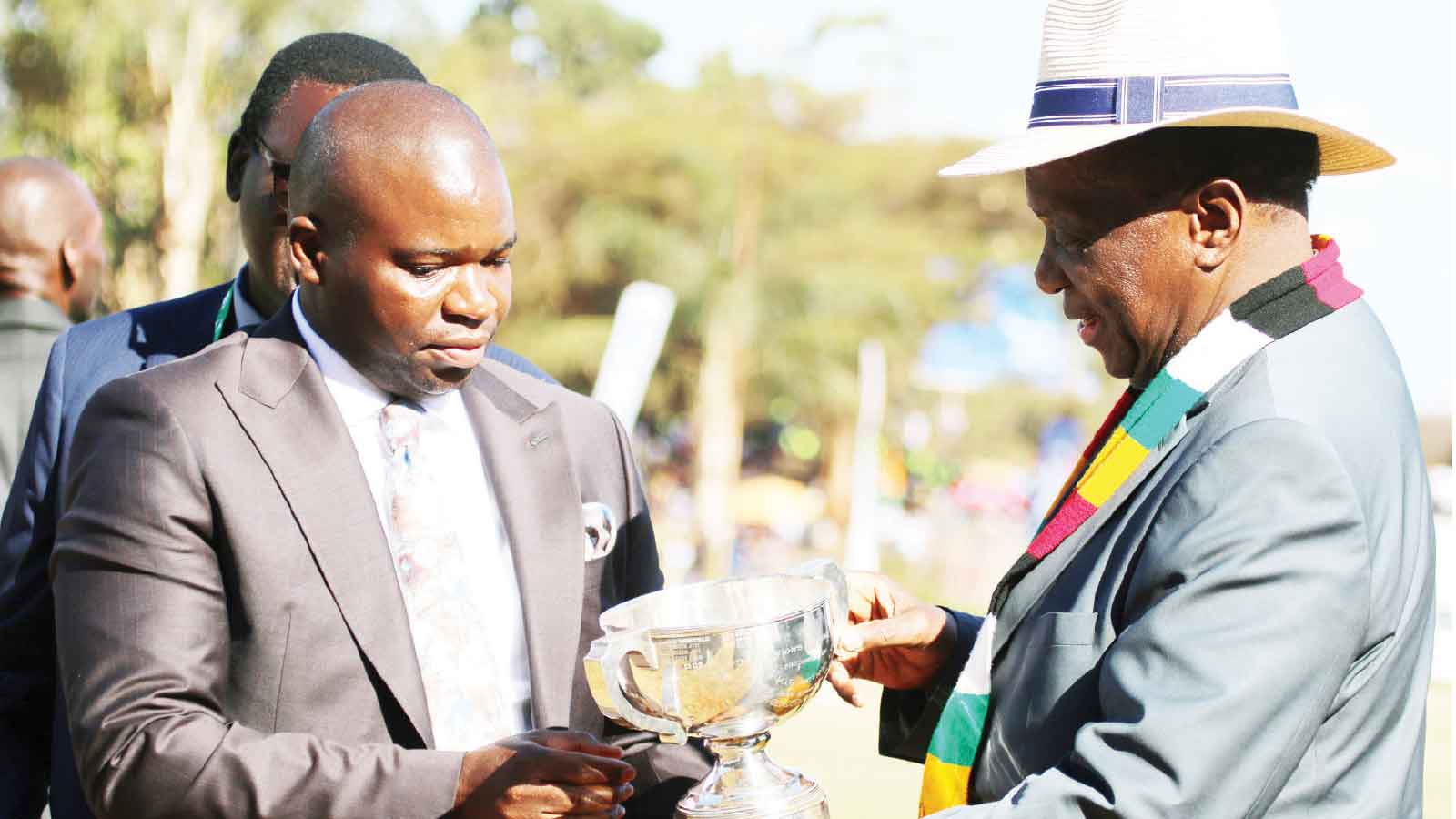
The President commended farmers, extension workers, financial institutions, input suppliers and other stakeholders for the success milestones.
Going forward, he challenged various agriculture sub-sectors, across all categories of farmers to shift towards increased and consistent high output, transformation and value addition.
“As we journey towards this goal, my Government is committed to continually develop the total hectarage of new irrigation.
“The overall objective is to ensure that yearly, we produce enough maize, wheat, traditional grains and horticulture to feed our nation and have a surplus for export.
“Under the National Development Strategy 2, we will no longer export opportunities, jobs and value of our products, which are often exported as raw materials,” said the President.
To this end, he said the Second Republic had set out to establish Special Agro-Processing Zones in all the country’s 10 provinces.
He emphasised the need for value addition saying farmers must move from raw soyabeans to cooking oil and stock feeds production; raw milk to cheese and yoghurt, among other dairy products; fruits to juice and concentrates; tobacco leaf to cigarettes; cattle to leather and packaged meat.
“All agriculture produce must be processed locally.
“The target is to grow the overall agro-processing share in the manufacturing sector. This responsibility is not only for big enterprises but must be promoted from the village level and the rural industrialisation frameworks.
“This must see the transition of more than 1,8 million smallholder farmers into commercial value chains,” he said.
President Mnangagwa said strategies such as contract farming, linkages with the Zimbabwe Mercantile Exchange, and financing under the expanded Agricultural Finance Corporation as well as the new Credit Guarantee Scheme, should be pursued with deliberate focus.
On its part, the Government would continue to facilitate the ease of doing business environment to ensure competitiveness of the country’s ‘Made in Zimbabwe’ quality goods and products.
President Mnangagwa added that investment in laboratories, standards compliance and certification for traceability must remain national strategic priorities.
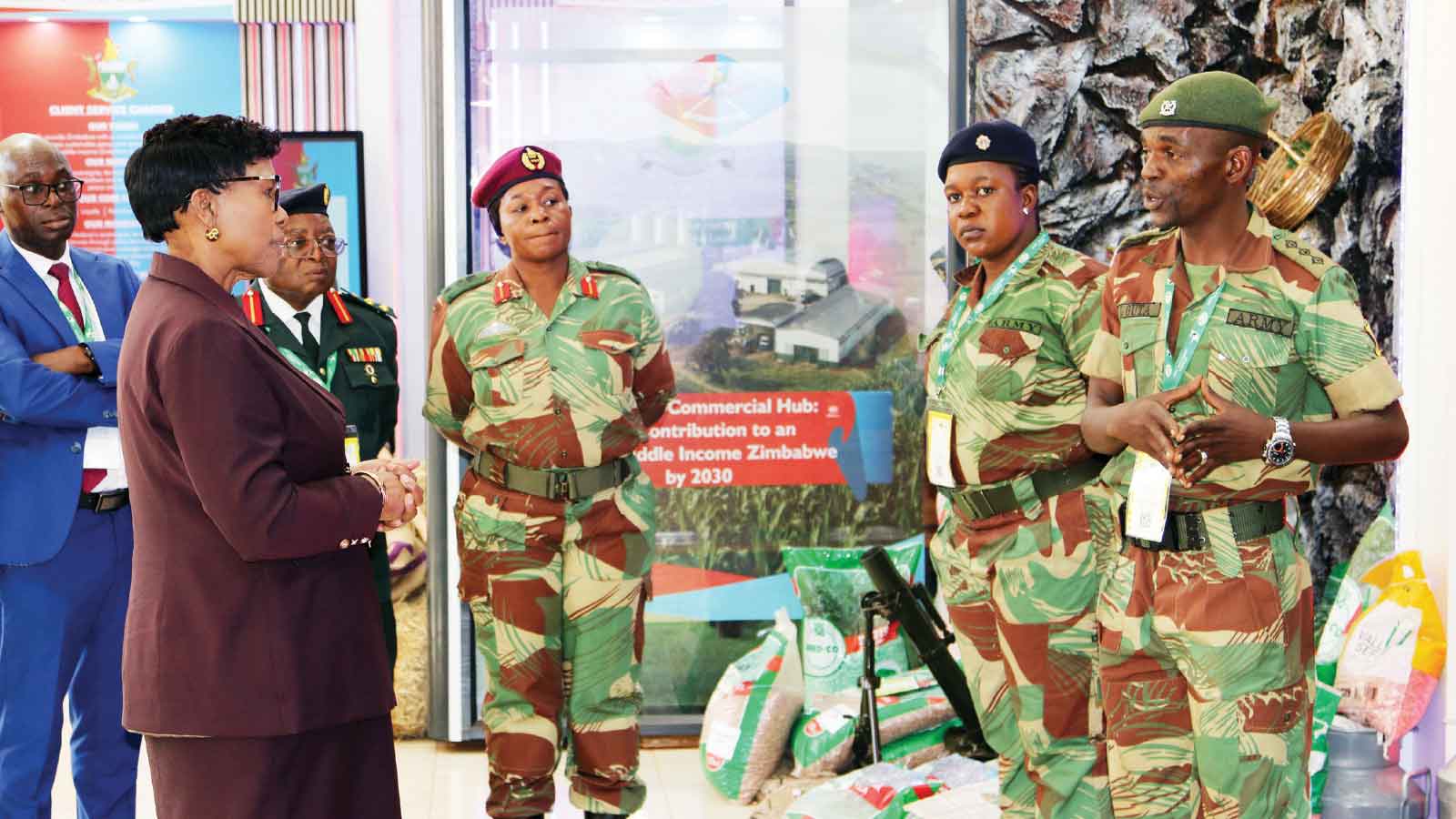
On innovation, technology, research and development, he said these were no longer optional but a priority as the agriculture sector had evolved to data, mechanisation and agri-technologies which ride on Artificial Intelligence.
“Faced with this reality, precision and climate smart agriculture must be boldly embraced. Further, it is critically important that the deployment of soil sensors, satellite monitoring and drone services be expedited.
“These must be complemented by the digitisation of extension and agronomy services across all provinces, ward by ward,” said President Mnangagwa.
He challenged institutions of higher learning and the country’s research ecosystem to scale up innovations, inventions, trademarks and patents related to agriculture and agro-processing.
Applications and data from laboratories as well as output from innovation hubs and industrial parks must be products that the country’s farmers can use today and, in the future, for improved household incomes and the benefit of Zimbabweans at large, said the President.
“Our preparation for the 2026/ 2027 agriculture season, will continue to be informed by science.
“We are rolling out a National Early Warning System and index-based insurance programme.
“Under these forward-looking initiatives, stronger disaster preparedness and support measures are in place, to guarantee risk and burden reduction for vulnerable communities, including women, children and the youth,” he said.
President Mnangagwa said his Administration was alive to the centrality of infrastructure and energy as key enablers for increased agriculture production and productivity.
As such, he said Government continues to rehabilitate and modernise the national road, rail and air infrastructure, while concerted efforts are being made to speed up investments in cold chain and storage facilities.
“My Government is expanding our national agriculture mechanisation capacity, with each village earmarked to have access to a tractor and other key equipment,” he said.
The President said the future of farming was anchored on women and youth, as the productive and entrepreneurial population of the country.
“This segment of our demography is a vital cog of agriculture, as both drivers and beneficiaries. To this end, my Administration is establishing Youth Agriculture Entrepreneur Hubs across provinces, and also broadening the reach of the Women in Agriculture Fund, to ensure that no one and no place is left behind.
“I am, therefore, confident that this premier event will go a long way to enrich the perspectives, insights and networks within the agriculture sector towards the realisation of our national goals.
“On its part, my Government will continue to support the Zimbabwe Agricultural Society to modernise this exhibition park and expand its impactful programmes in districts and wards of our beloved motherland,” he said.
President Mnangagwa said he expects that the various resolutions and recommendations emanating from this year’s ZAS will help inform the implementation of people-centred programmes and projects.
“To our private sector, I challenge you to take up the opportunities for investments and partnerships, outlined in our National Development Strategy 2.
“Together, let us nurture and weave long term synergies for the local manufacture of fertilisers and livestock vaccines, among other components required in the agriculture sector and the broader economy.
“Nyika inovakwa, inotongwa, inonamatigwa nevene vayo/ Ilizwe, lakhiwa, libuswe, likhulekelwe ngabanikazi balo.
“To our farmers, I urge you to be commercial, innovate and to adapt new technology, while entrenching a culture of continuous improvement, production and productivity,” he said.
The country’s national land resources, said the President, had moved from being a form of ‘communal entitlement or settlement’, to being assets of production, wealth creation and empowerment.
“To the youth and women, agriculture is the overarching business of the present and future. I challenge you to lead this sector, help feed the nation and produce the feedstock for our industry,” said President Mnangagwa.
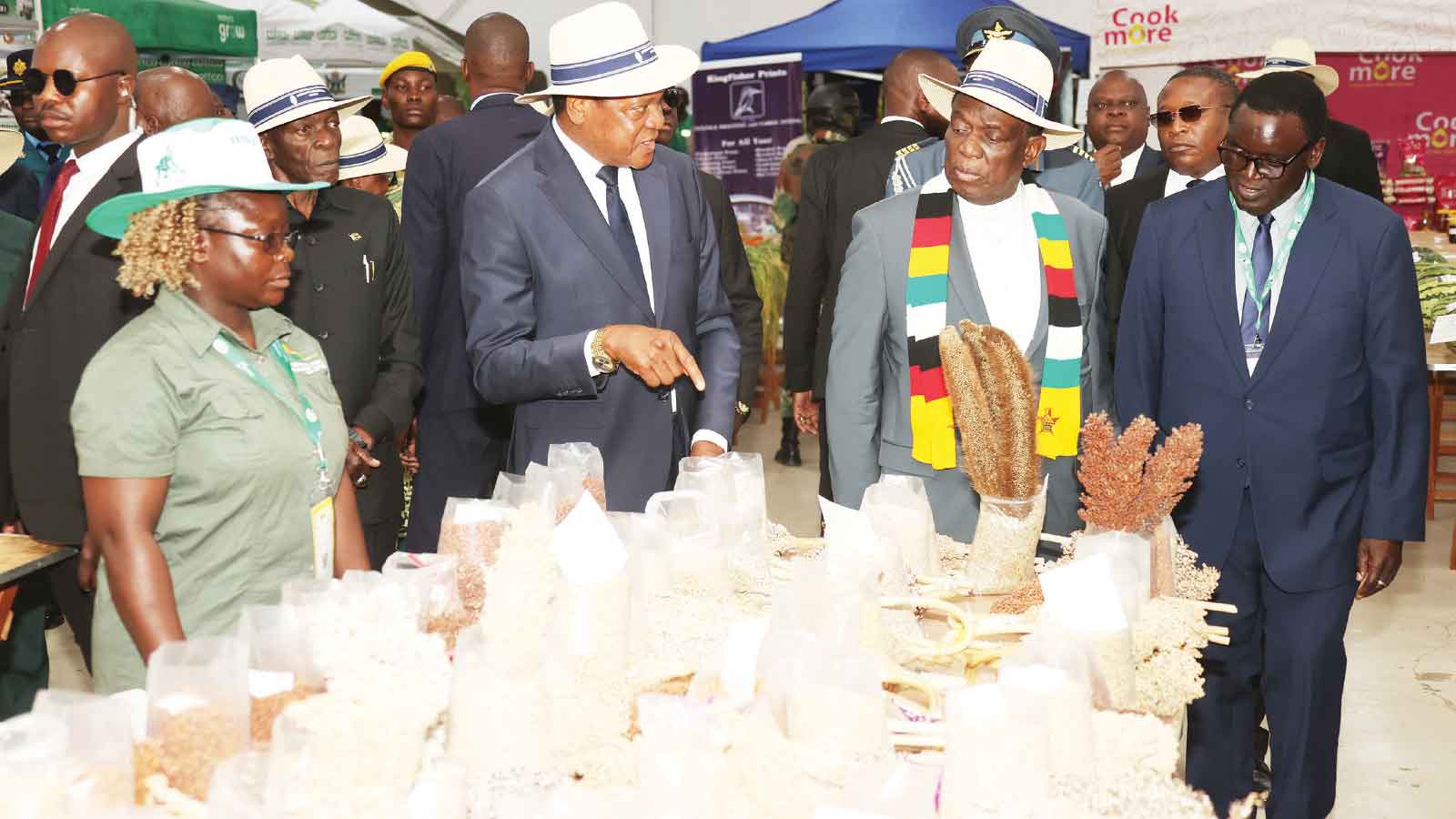
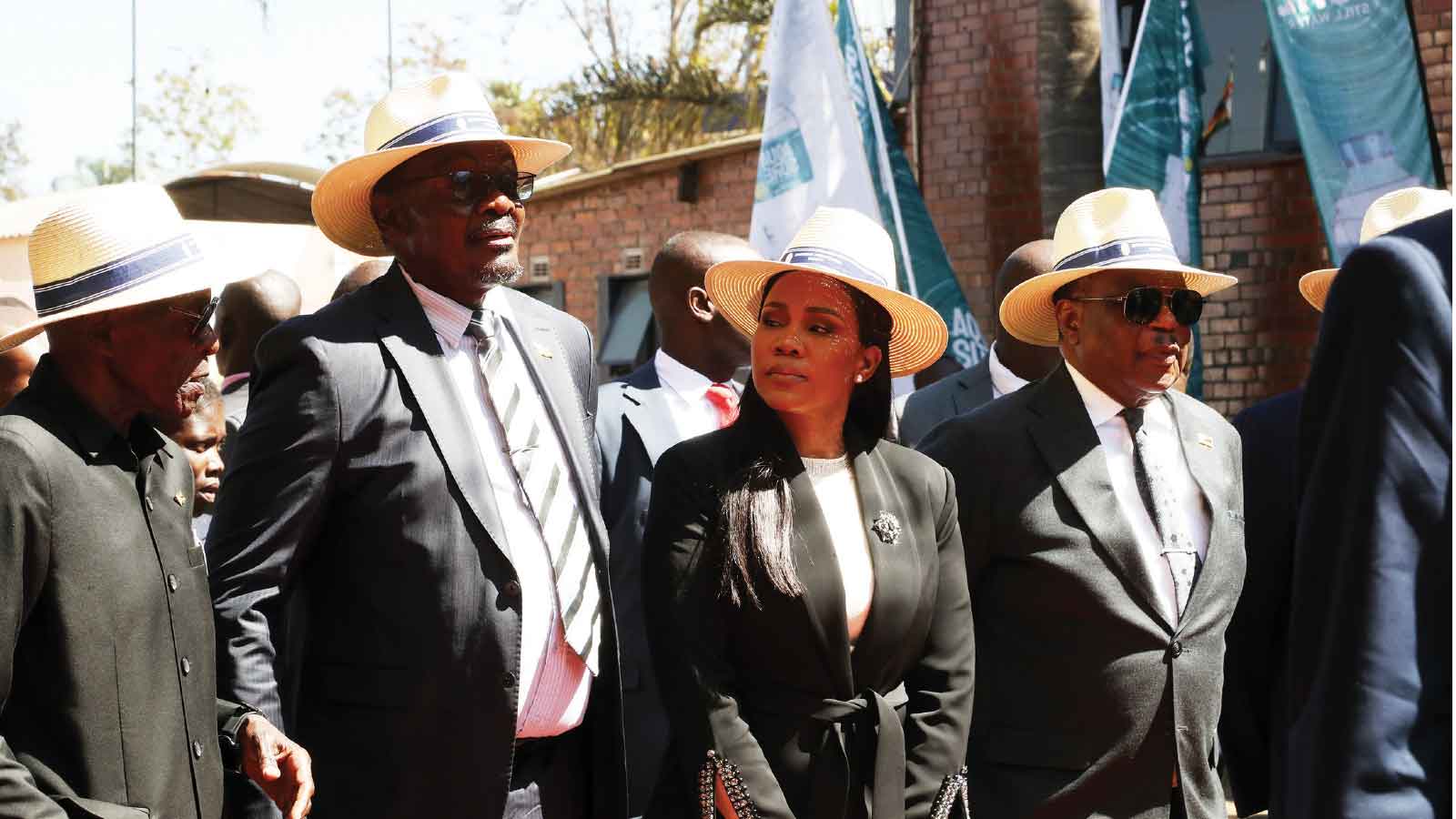
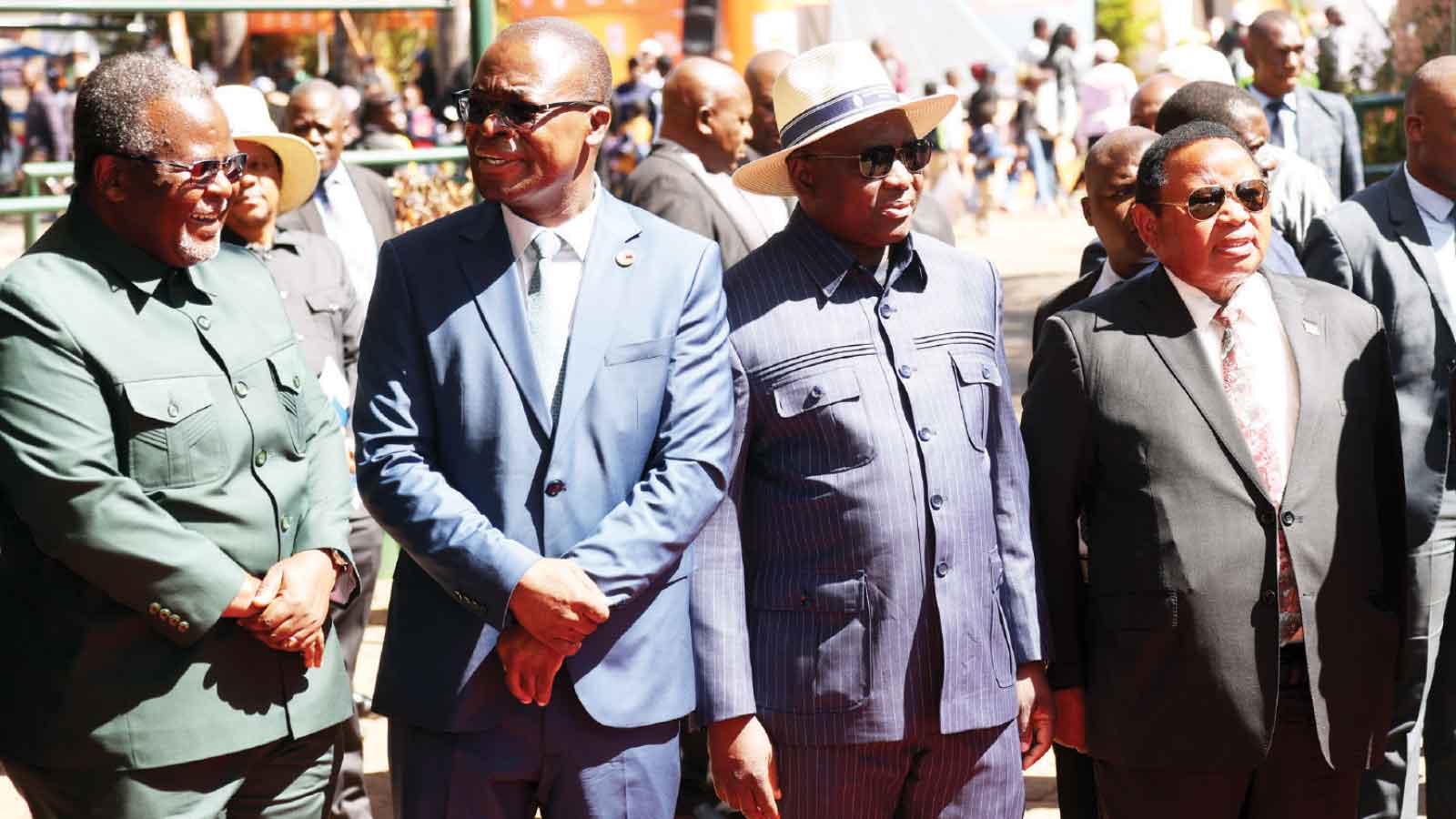
Vice President Dr Constantino Chiwenga and his wife Colonel Miniyothabo Baloyi-Chiwenga, as well as Vice President Dr Kembo Mohadi, Cabinet ministers, service chiefs, captains of industry and other senior Government officials attended the official opening.