Online Reporter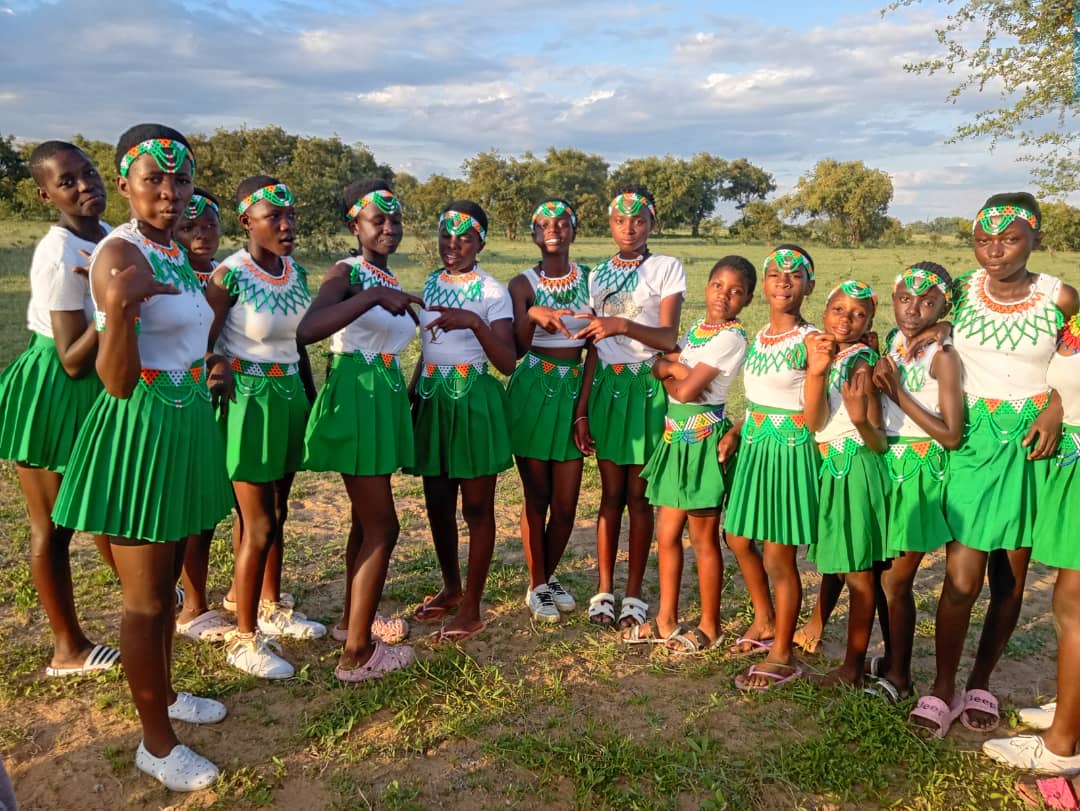
Mbulelo Mpofu, [email protected]
THE second edition of the Tsholotsho Arts and Cultural Expo is set to take place on Saturday at Dinyane High School in Matabeleland North, with organisers promising a bigger, more inclusive celebration that places culture at the heart of community development.
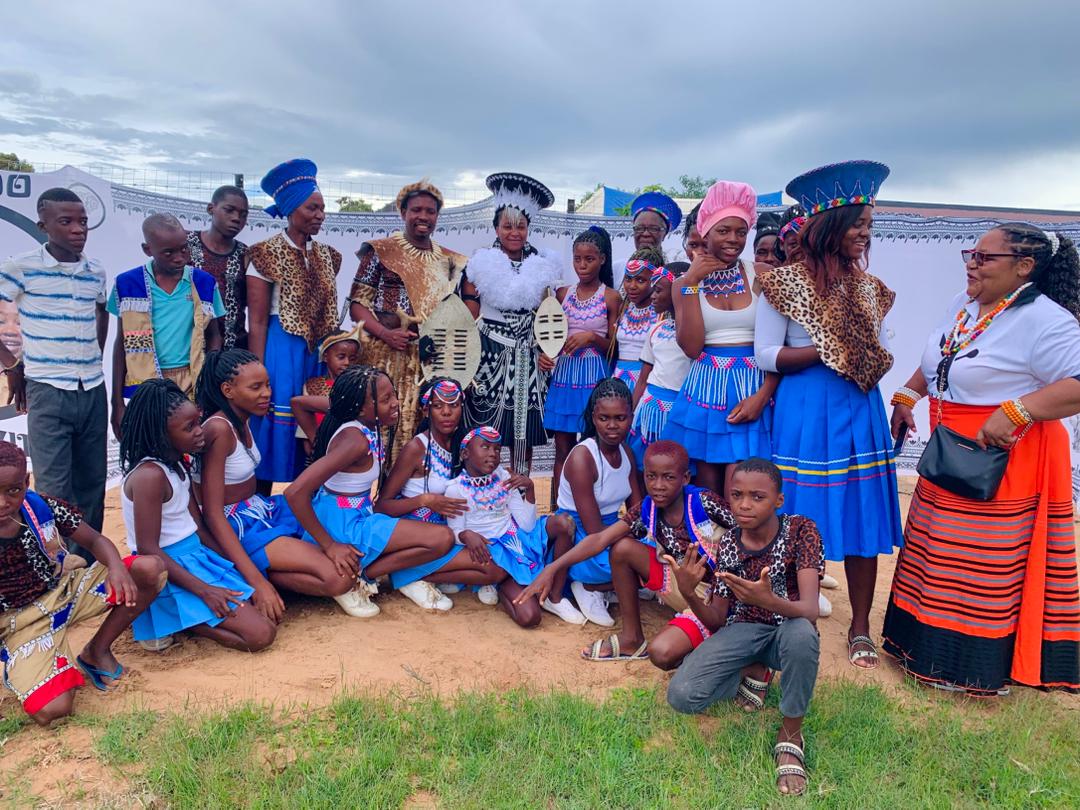
Held under the theme, “Heritage in Motion: Fusing Culture with Modern Life and Business”, this year’s expo aims to go beyond the traditional concept of cultural events as mere entertainment.
Instead, it seeks to build meaningful links between heritage, entrepreneurship, tourism, health awareness and youth development.
One of the organisers, Topasi Ndlovu, said valuable lessons from last year’s inaugural event had helped shape this year’s programme, particularly the need to ensure that the community takes ownership of the initiative.
“The inaugural expo taught us that our people are hungry for their own story. The biggest lesson was: when you give the community ownership, they show up,” Ndlovu said.
According to Ndlovu, last year’s event successfully brought together elders, young people, schools and businesses, with attendees playing an active role rather than simply watching from the sidelines. Building on that momentum, organisers have introduced a Cultural Marketplace and Business Expo, creating opportunities for creatives and entrepreneurs to showcase and sell their products.
“We’re bringing in health and youth dialogues because we heard young people asking for safe spaces to talk. We’re also partnering more with schools, chiefs, and local businesses so the expo is not ‘our event’ but ‘Tsholotsho’s event’,” Ndlovu said.
The organisers believe this approach reflects a growing recognition of culture as a powerful catalyst for both social cohesion and economic growth.
“We learnt that culture is not a once-off show. It’s a tool for unity. So this year, we’re fusing tradition with business and wellness,” he said.
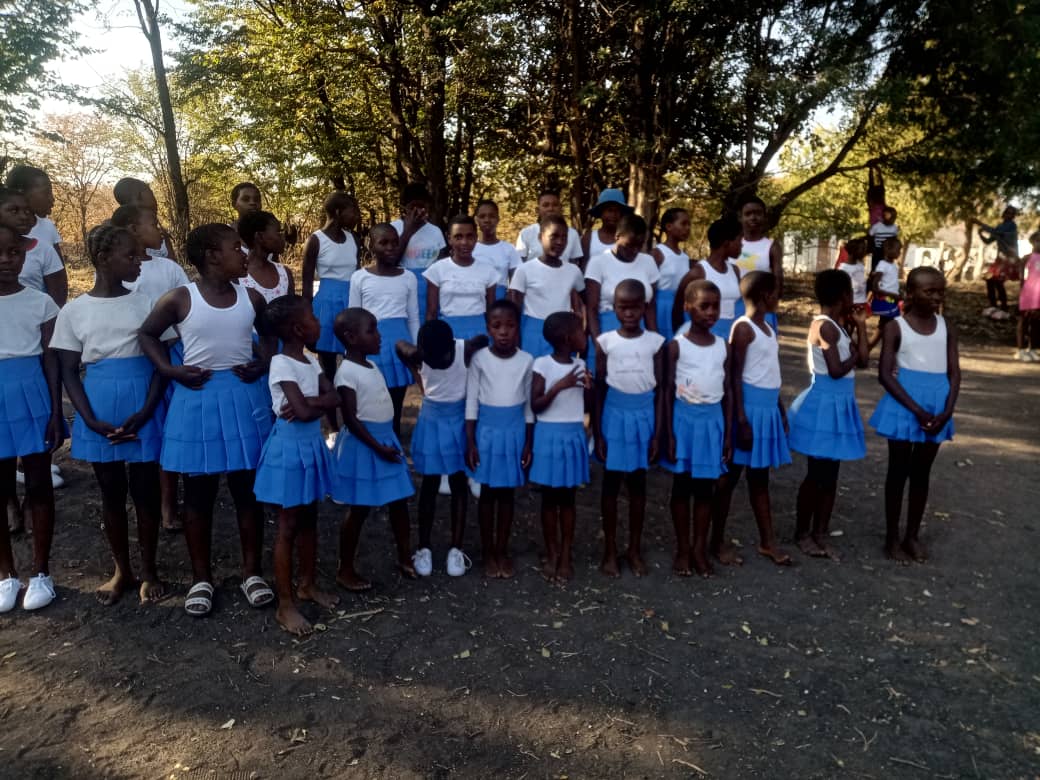
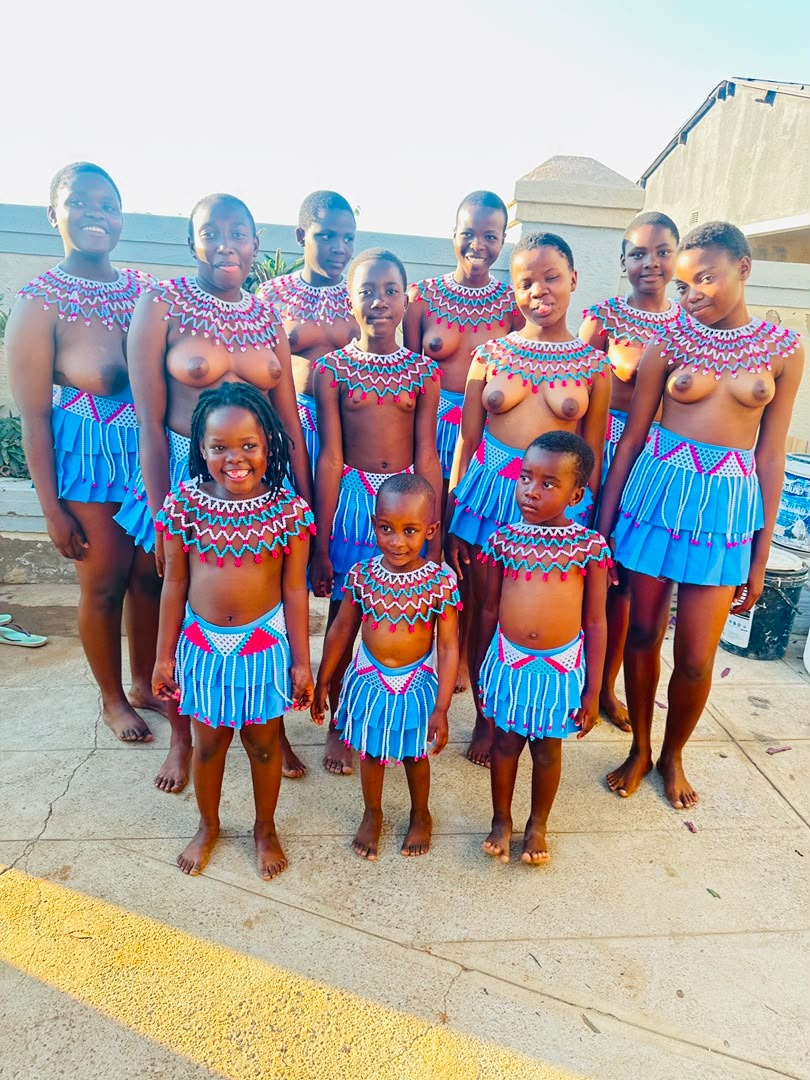
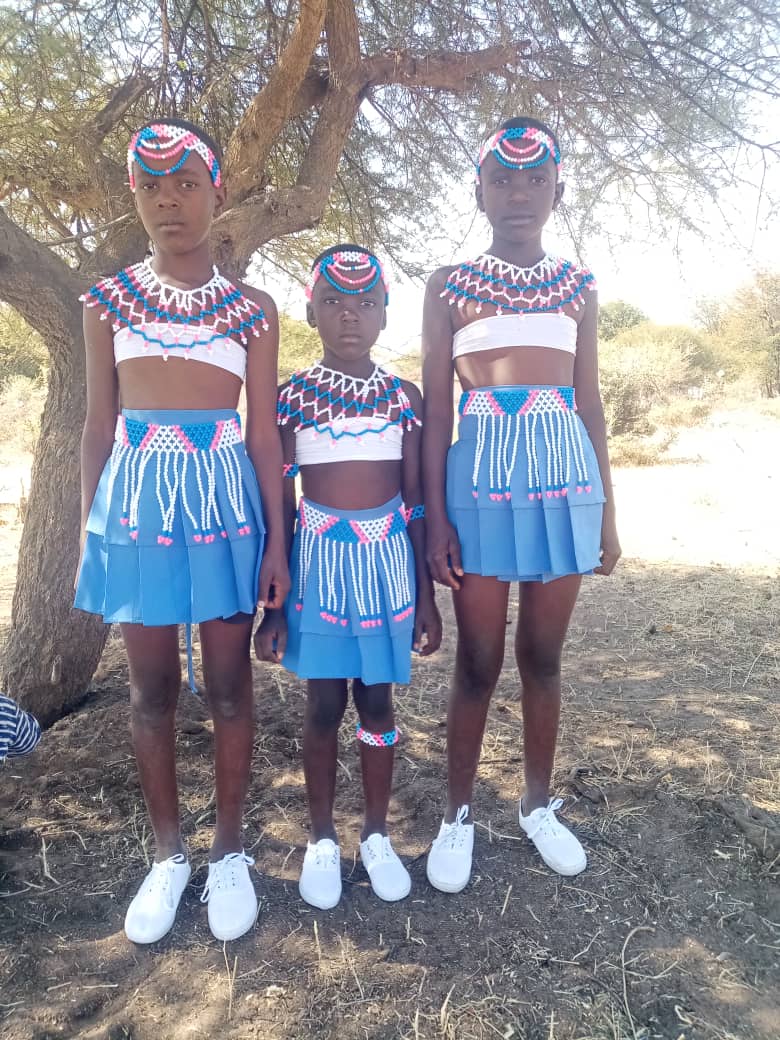
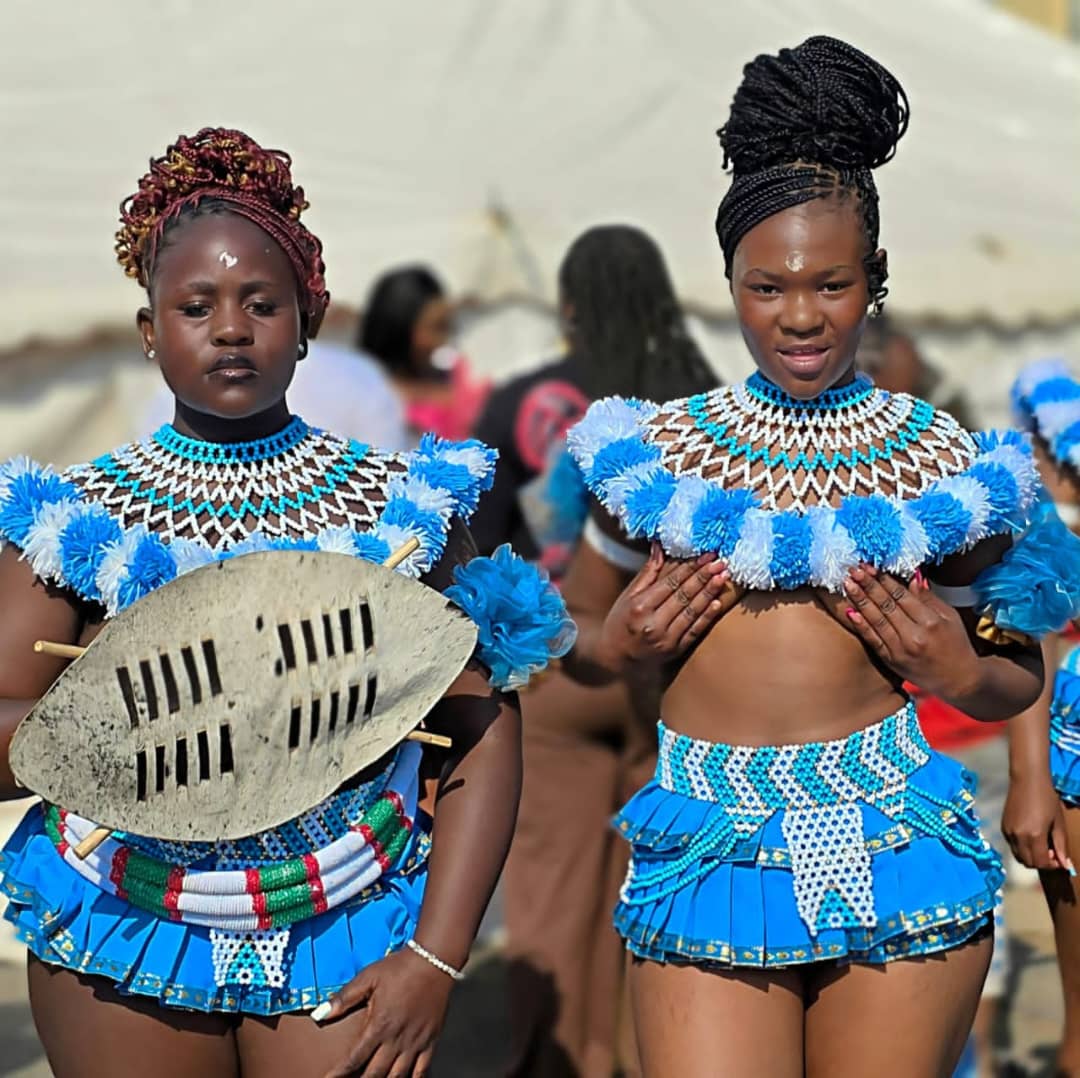
A major highlight of the programme will be performances of the Amatshitshi and Amaguqa dance ceremonies, which organisers regard as important custodians of Tsholotsho’s cultural heritage and collective memory. Ndlovu said placing these ceremonies at the centre of the expo is a deliberate effort to ensure that younger generations remain connected to their roots in an increasingly globalised world.
“Amatshitshi and Amaguqa are not just dances. They teach respect, discipline, womanhood, manhood, and community values that held us together for generations. At a time when our youth are flooded with global TikTok trends, we must say: ‘You can be global and rooted’. If we don’t teach them these ceremonies now, we risk losing them,” he said.
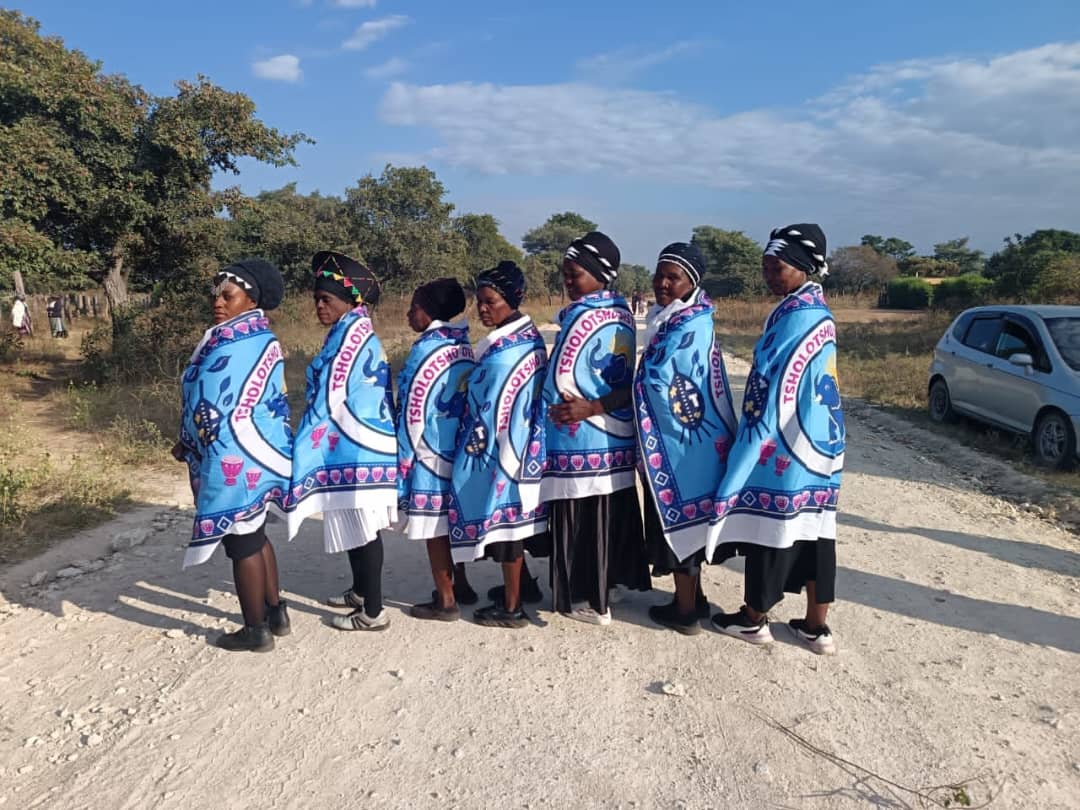
Through this emphasis on heritage, organisers hope to instil a renewed sense of pride and belonging among young people.
“By putting them on a main stage in 2026, we are telling young people: ‘Your culture is cool, it is powerful, and it is worthy of pride.’ We want them to see themselves in it and carry it forward,” Ndlovu said.
Beyond the cultural performances, the newly introduced Cultural Marketplace is expected to be one of the standout features of this year’s expo. The platform will provide artisans, farmers, food producers and other rural entrepreneurs with an opportunity to market their products and expand their customer base.
Ndlovu said the initiative is designed to tackle one of the biggest challenges facing many rural creatives: having talent and cultural knowledge but limited access to markets.
“For too long our artisans have been ‘talented but broke.’ The marketplace is designed to change that,” he said.
The marketplace will connect local entrepreneurs with potential buyers, tourists and key stakeholders, while also opening doors to networking opportunities with financial institutions, development organisations and markets in Bulawayo.
Organisers also intend to facilitate discussions on branding, packaging, pricing and how creative products can be transformed into sustainable businesses capable of generating long-term income.
The ultimate goal, Ndlovu said, is to build a strong and recognisable identity for products originating from the district.
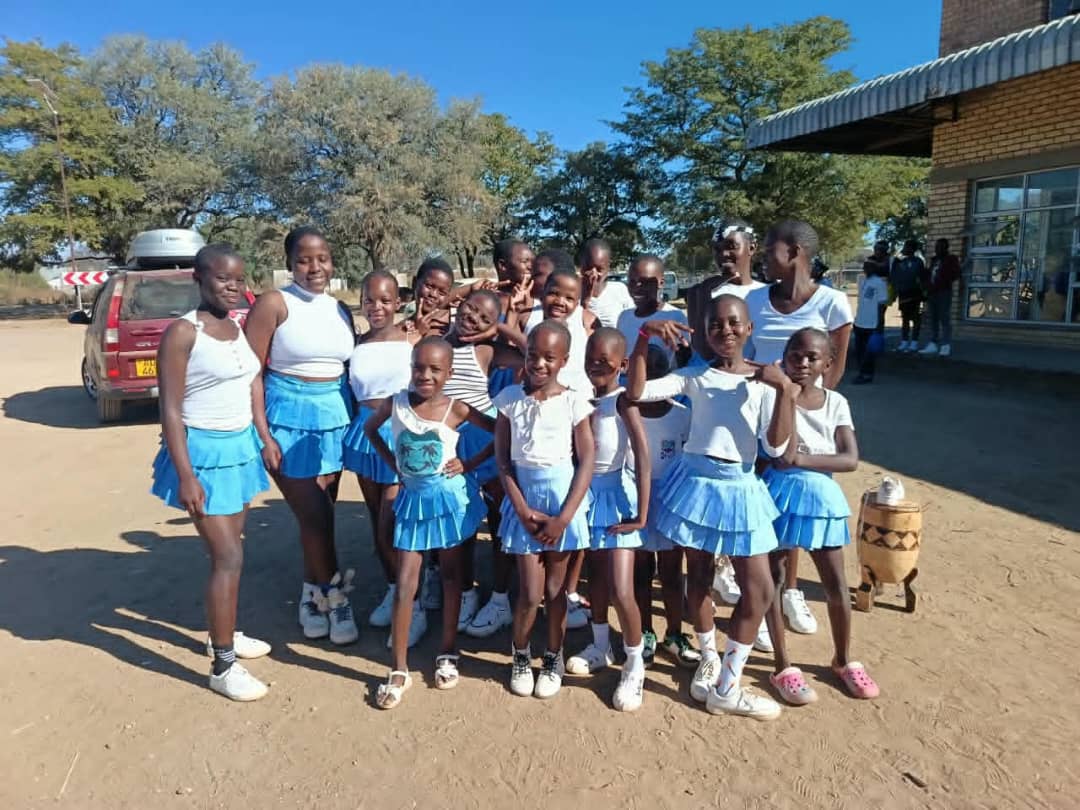
“‘Made in Tsholotsho’ can become a label people trust,” he said.
He believes such initiatives can help young people see that it is possible to build sustainable livelihoods within their communities while remaining connected to their cultural heritage.
“If a granny’s basket or a young man’s wood carving can pay school fees, then heritage becomes sustainable. That’s how we fight poverty without losing who we are,” Ndlovu said.
The expo’s focus will extend beyond culture and commerce through dedicated youth and health dialogues exploring issues such as teenage health, mental wellbeing and substance abuse. Ndlovu said these discussions were included in response to challenges affecting many young people in the community, including drug abuse, teenage pregnancy and mental stress.
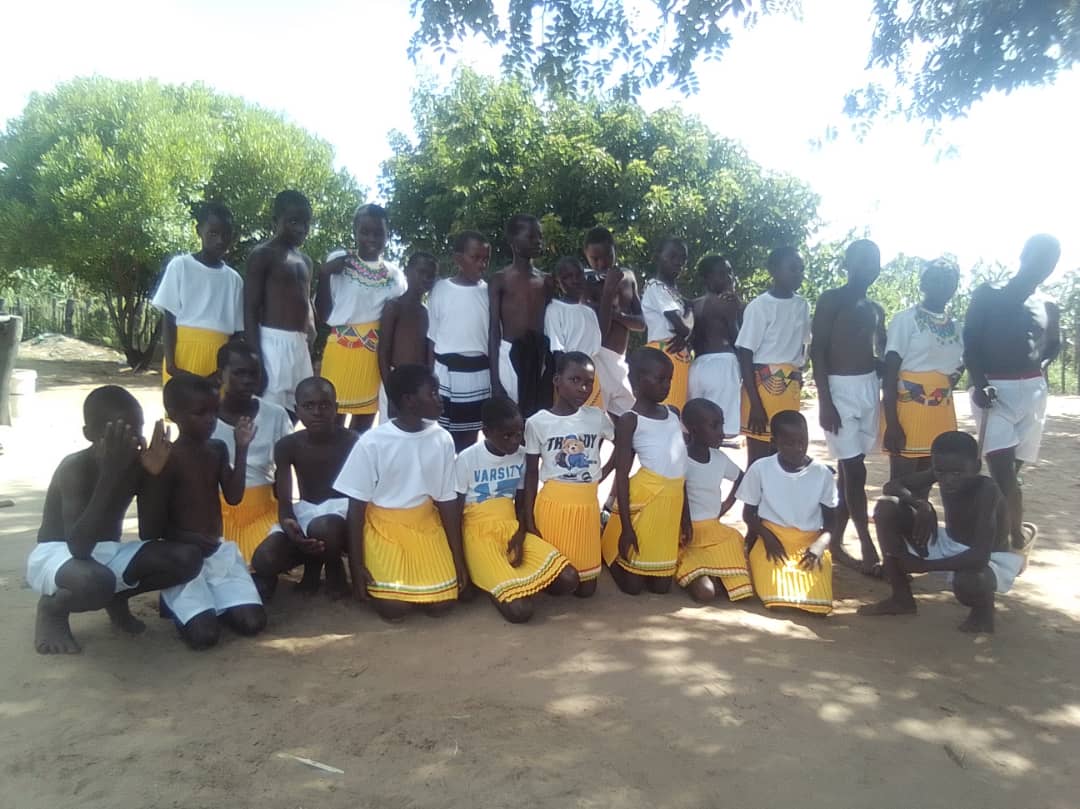
“You cannot have a healthy culture in an unhealthy community. Art is about expression, and young people need safe spaces to express pain, pressure, and hope.”
Organisers believe that music, poetry and open dialogue can provide meaningful platforms for young people to discuss difficult issues, seek support and contribute to building healthier and more resilient communities.
Looking ahead, Ndlovu hopes the Tsholotsho Arts and Cultural Expo will grow beyond a once-a-year gathering and evolve into a lasting platform that connects heritage with the everyday realities, opportunities and aspirations of local people.
“‘Tsholotsho in Motion’ is not just an expo. It is a statement that our heritage is moving – into business, into schools, into health, and into the future,” he said.
—@MbuleloMpofu