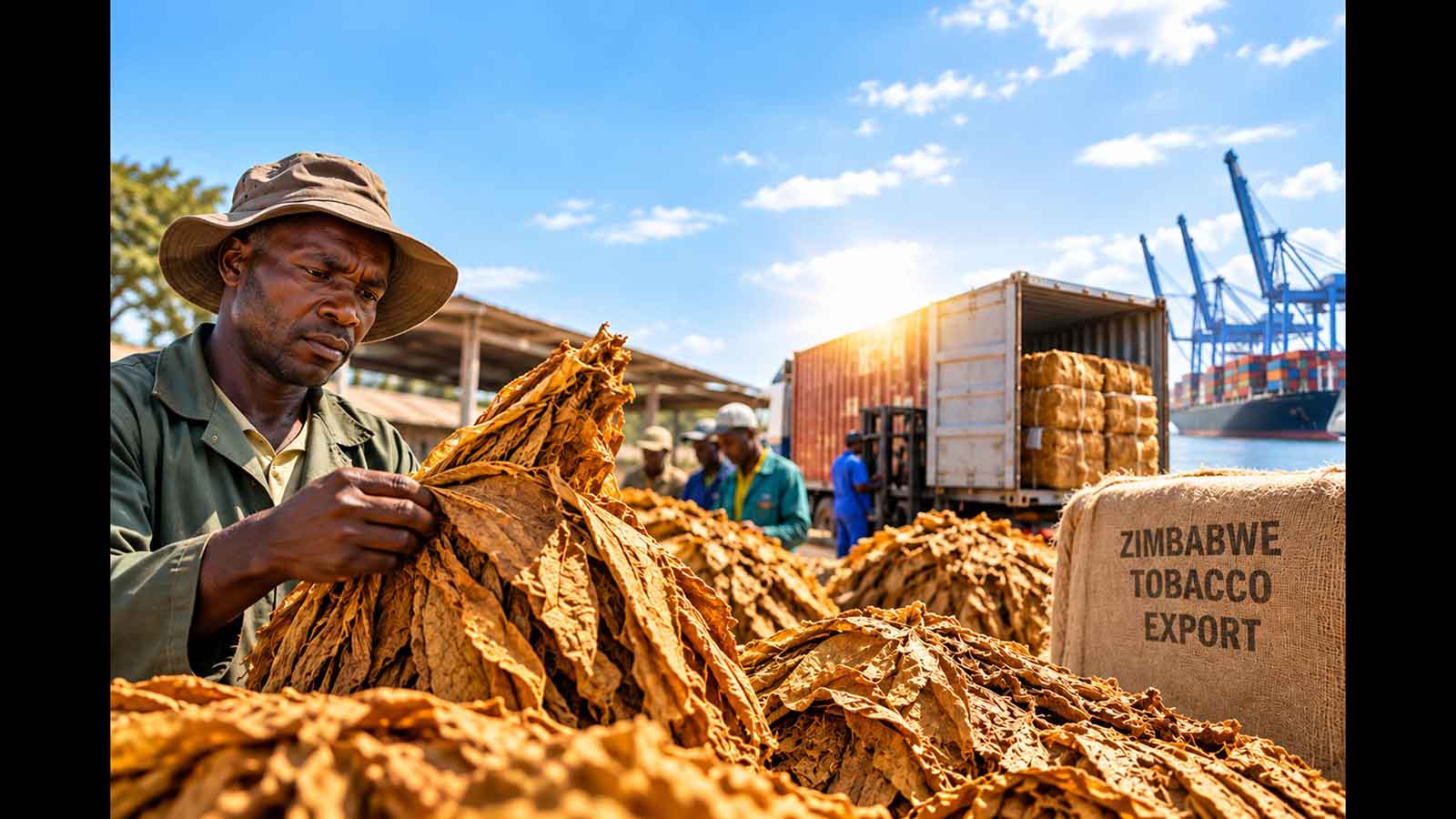
The country’s ambition to build a $7bn tobacco industry by 2030 is bold, but the encouraging message from Agriculture Mechanisation and Water Resources Development Minister Dr Anxious Masuka is that growth must be measured by value created, not just hectares planted.
Speaking at the CORESTA scientific congress in Victoria Falls on Monday, the minister argued that higher yields, fewer post-harvest losses and greater domestic processing should drive the next phase of expansion.
That is exactly the approach we must adopt.
The country produced about 358mn kilogrammes of tobacco in 2026 and is targeting 500mn kilogrammes annually by 2030. Such progress would reinforce its position among the world’s leading producers. Yet quantity alone will not deliver a $7bn industry, particularly when the country earns roughly $1.2bn annually from exports of semi-processed leaf.
The greatest opportunity lies between the farm gate and the finished product. Processing tobacco locally, developing competitive cigarette and other tobacco-product manufacturing, and expanding packaging and associated services would retain more income, skills and employment within Zimbabwe.
Government should therefore make it easier for investors to establish modern processing facilities through predictable regulations, reliable electricity, accessible finance and efficient export procedures.
Investments must be commercially viable, not simply announced at conferences.
Farmers, especially smallholders who produce approximately 85% of the crop, must share in the gains. Better seed varieties, irrigation, extension services, affordable local financing and transparent marketing arrangements can raise yields while reducing production costs and dependence on expensive offshore funding.
The new transformation plan’s ambition to localise 70% of production financing and increase value addition towards 30% offers useful benchmarks. But progress should be published regularly and independently checked, ensuring that growing export receipts are not mistaken for improved profitability on Zimbabwean smallholder farms.
Dr Masuka was right to insist: “The increase must not come from area expansion.” Productivity growth protects land for other crops and limits the environmental damage that can accompany poorly managed cultivation.
That makes sustainable curing a central test of the transformation plan. The proposed move away from indigenous firewood by 2027 requires practical support, including affordable, efficient barns, alternative fuels and financing that enables smaller growers to adopt cleaner technologies.
The industry must also confront traceability, labour standards and changing global tobacco demand. Export competitiveness increasingly depends on demonstrating that crops have been produced responsibly.
Research institutions, manufacturers, farmers and financiers should now translate the ambitions discussed at Victoria Falls into measurable annual milestones: yields per hectare, volumes processed locally, farmer earnings, financing costs and adoption of sustainable curing.
The country has already demonstrated that its tobacco sector can expand substantially.
Reaching $7bn will demand something more enduring: an industry that captures greater value from every kilogramme, rewards its growers fairly and builds resilience against future market and climate shocks.
That is the transformation worth pursuing.