Muchaneta Chimuka Farming Reporter
THE Government has officially commissioned Godlwayo 2 Dip Tank, Umzingwane District in Matabeleland South as part of the National Dip Tank Rehabilitation Programme which is targeting the rehabilitation of 600 dip tanks countrywide in 2026.
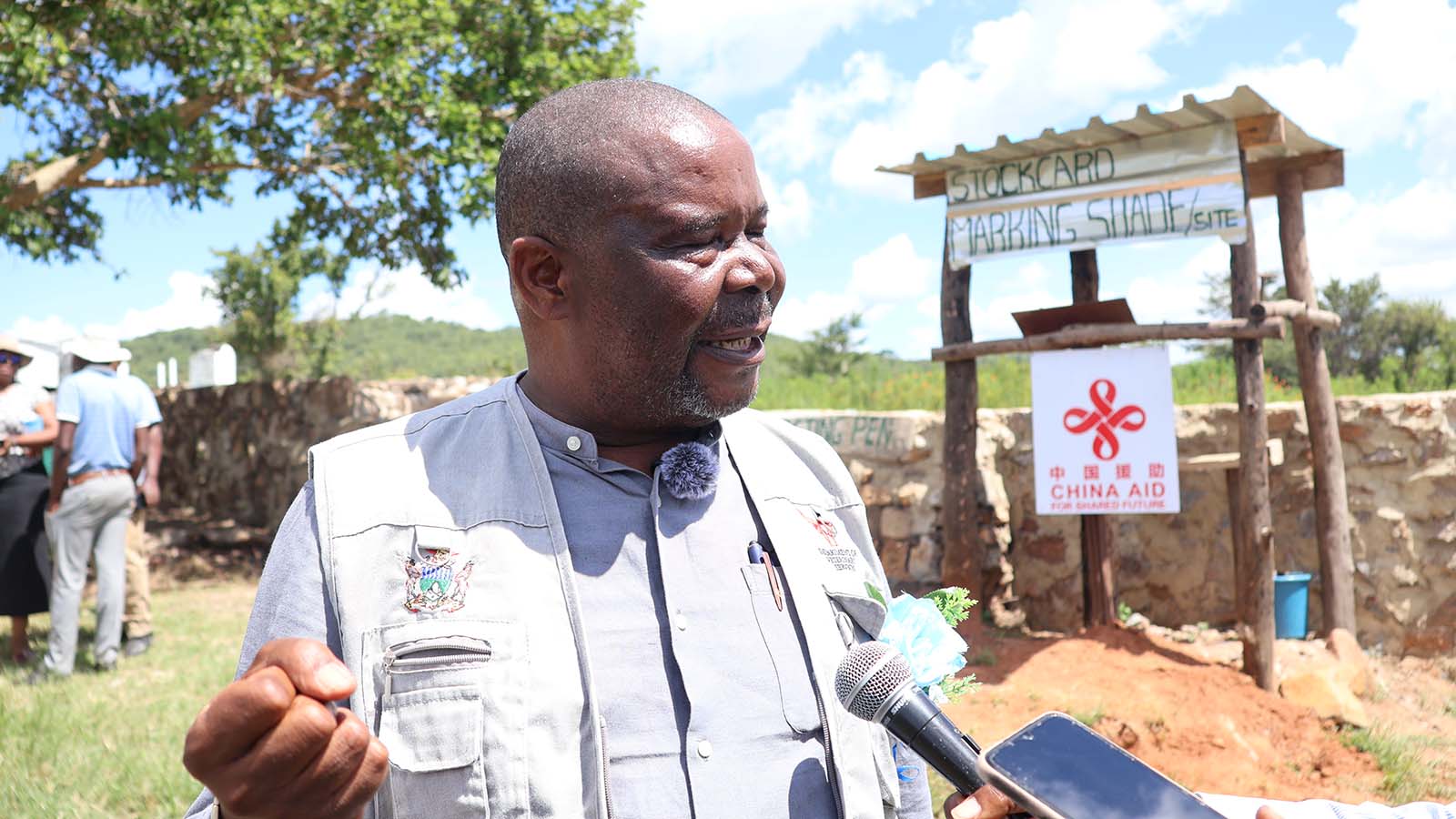
Speaking during the commissioning on Wednesday, Directorate of Veterinary Services Chief Director Dr Pious Makaya called on farmers to take ownership of livestock health infrastructure in the area to compliment the objective of building the national herd.
He said the commissioning of the Godlwayo 2 Dip Tank in ward 19 marked an important milestone in community — led livestock health infrastructure development.
He said, 481 dip tanks have been rehabilitated nationwide and highlighted progress under the National Dip Tank Rehabilitation Programme, through which Government has targeted the rehabilitation of 600 dip tanks in 2026.
“To date, 481 dip tanks have been rehabilitated, representing 80,2 percent of the annual target, with 119 remaining. The programme forms part of Government’s broader efforts to strengthen livestock disease prevention, improve tick and tick-borne disease control and safeguard the national cattle herd,” he said.
The commissioning of Godlwayo 2 Dip Tank demonstrates how Government–community partnerships can accelerate livestock infrastructure development, promote local ownership and build resilience within farming communities.
“We are gathered here today not just to open a dip tank, but to make a practical contribution to the vision of His Excellency, The President of the Republic of Zimbabwe, Dr. Emmerson Mnangagwa — Vision 2030: Towards an Upper-Middle-Income Society by 2030,”
“The roadmap to Vision 2030 is our National Development Strategy 2 — (2026-2030), which succeeds (NDS1 and NDS2),” he said.
He said, the NDS2 identified agriculture, and specifically livestock development, as a key economic pillar for rural industrialisation and rural development.
Dr Makaya said, under NDS2, Government targeted a national herd of 6 million cattle by 2030 and a reduction of livestock mortality from 15 percent to below five percent and the commercialisation of the rural livestock sector.
“We are eyeing for inclusive growth — leaving no one and no place behind. We cannot achieve that if our cattle continue to die from preventable tick-borne diseases. This dip tank will serve over 36 households with a census of over 200 cattle,”
“Matabeleland South is a livestock province. Cattle are our bank, our culture, our draught power and our livelihood. But for years, our cattle have suffered from tick-borne diseases namely January disease, Gall sickness, Redwater and Heartwater. In Umzingwane district, January disease in particular has killed 3 947 cattle (1438 laboratory confirmed & 2509 from suspicious clinical signs) for the period January 2022 to September 2026,” he said
He said this year no new cases have been recorded owing to the consistent supply of Deltatic pour-on and adoption of the 5-5-4 dipping regime.
“An undipped animal is not just a farmer’s loss – it is a loss to Umzingwane District, it is a loss to Matabeleland South Province, and it is a loss to the national GDP. That is why the rehabilitation of Godlwayo 2 Dip tank is a strategic investment in line with NDS2,” he added.
Dr Makaya said, dip tanks were a wealth creation and food security.
NDS2 prioritises household food and nutrition security.
“A healthy herd means more draught power, more milk, more manure for Pfumvudza, more sales. A farmer with abundant healthy cattle is on his way to becoming an upper middle-income farmer. It is part of rural industrialisation we cannot talk of rural industrialisation when the raw material — cattle — is dying. This dip tank will supply healthy cattle to our abattoirs at Maphisa, Bulawayo, and to the Leather Value Chain.
This is NDS2 in action,” he said.
He said, the dip tanks were built through devolution and community ownership with the support from Government, Umzingwane RDC, and the Godlwayo community itself contributing labour and local materials.
Dr Makaya emphasised climate resilience as NDS2 pillar to climate — smart agriculture.
“Let’s ensure 100 percent dipping compliance. Every week in summer and once every two weeks in winter — all cattle must be here.
He urged farmers to comply with livestock movement laws urging that no cattle move without a veterinary clearance, police clearance and dipping card.
“This is how we prevent January Disease, other tick-borne diseases and Foot and Mouth Disease,”
“The Department of Veterinary Services, pledges under NDS2 to ensure consistent supply of dipping chemical and weekly technical supervision,” he said.