Online Reporter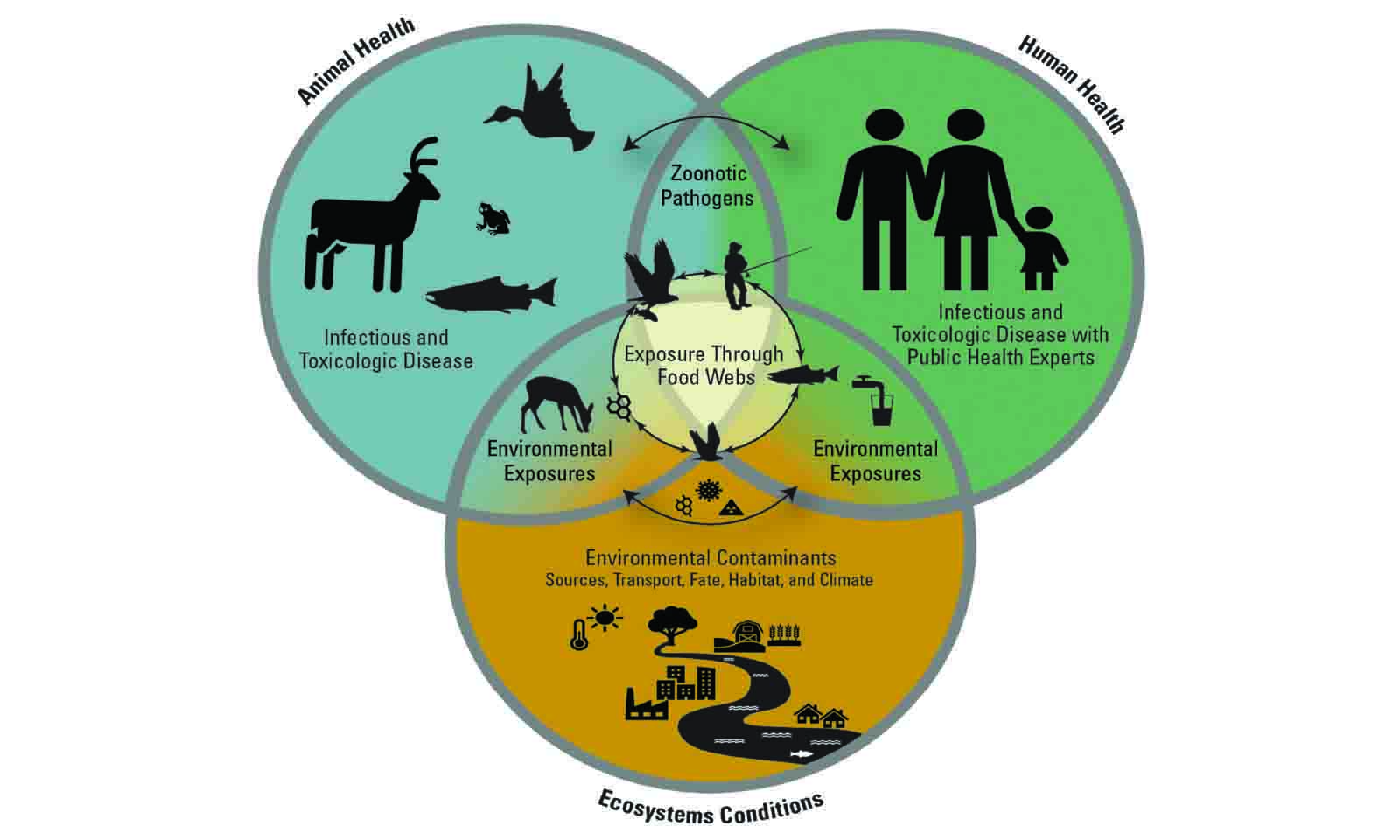
Sifelani Tsiko
Fact Check Editor
Cabinet recently approved the Zimbabwe National One Health Strategic Plan (2026 to 2030), which aims to provide a roadmap for integrating human, animal, plant and environmental ecosystems to address health challenges. Broadly, the plan also targets to advance the implementation of the one health initiative in Zimbabwe to fight current and future public health pandemics.
What necessitated the push for the one health approach?
Health experts say the rapid spread of infectious diseases that emerge at the animal, human and the environment interfaces due to rising population of animals and livestock, rapid urbanisation, closer interaction between livestock and wildlife, forest encroachment, climate change and global trade has pushed the movement towards a one health approach.
They further say global health emergencies such as Covid-19 pandemic, avian influenza, Ebola outbreaks and continued threats of other zoonotic diseases, food safety, antimicrobial resistance (AMR) challenges, as well as ecosystem degradation and climate change have prompted the need for resilient health systems and accelerated global action.
“Covid-19 illustrated how breakdowns in the execution of core public health functions could lead to devastating impact on economic and social well-being of our people. The silo mentality has always been a thorn in my flesh,” Public Health Advisor to the President and Cabinet Dr Agnes Mahomva remarked in 2023 at a seminar to advance the implementation of the one health initiative in Zimbabwe.
“Drawing from the lessons we have learnt from Covid-19, it is important to foster linkages to tackle public health threats. We have to work together at multiple levels and link up with the Government to address public health issues.”
Spearheading the one health strategy
For the past three years, the Public Health Advisor for the Office of the President and Cabinet together with support from key stakeholders from human, animal, plant and environment sectors led efforts to chart a course for a more integrated and comprehensive approach to one health.
Closing the gap and avoiding duplication
For a long time Government agencies on human health, environment and animal health have been working in a disjointed manner to address the emergence and spread of zoonotic diseases, which are transmitted through interactions between animals, humans and their shared environments.
The one health initiatives seeks to address this and promote a coordinated approach on all of the country’s one-health activities.
What are the key expectations of the one health plan?
The one health strategy is expected to outline interventions to be undertaken by government and other partners to enhance existing structures and pool together additional resources to fight new and emerging public health threats and other events of public health importance.
This strategy will broadly seek to contribute to the realisation of a national strategy for improving public health, food safety and security and the quality of life of the people.
Does the strategy align with the country’s national development goals?
Yes, it does. This strategy aligns with Zimbabwe’s Vision 2030, the National Development Strategy 1 (NDS1), NDS2 priority areas and international frameworks such as the Sustainable Development Goals; Africa Agenda 2063 and the One Health Joint Plan of Action.
Understanding the one health approach
Globally, there has been an unprecedented emergence of diseases with epidemic and pandemic potential.
These include epidemics such as the West Nile virus, Ebola, Zika, Covid-19 and avian flu among others. In 2017, a Zimbabwean poultry farm was hit by an outbreak of highly pathogenic H5N8 bird flu which led to massive losses for the poultry sector.
Experts say all this shows how the health of people, animals and the shared environment are closely connected.
The One Health approach recognises the interconnectedness of human, animal, plant and environment (ecosystem) health and emphasises the importance of collaboration among these sectors to address complex health challenges.
Thus, the strategic plan will guide the country’s efforts to combat zoonotic diseases, antimicrobial resistance (AMR), and other emerging health threats as well as strengthen the health system.
What steps has Zimbabwe taken to push for the one health approach?
The country has made giant strides in addressing AMR. It has developed and implemented comprehensive national action plans to combat AMR, fostering a multi-sectoral approach that involves healthcare providers, veterinarians, farmers, and policymakers.
The plans have focused on promoting appropriate antimicrobial use, enhancing surveillance and monitoring systems, and strengthening laboratory capacities.
The country with support from the Fleming Fund and Multi-Partner Trust Fund also invested in strengthening its laboratory infrastructure, renovating 14 laboratories to enhance diagnostic capabilities and surveillance.
The country has also shown its commitment to One Health through its involvement in various initiatives, including the development of proposals to the Pandemic Fund and the updating of its pandemic influenza preparedness plan.
In addition, Zimbabwe actively participated in regional and global initiatives to combat AMR, collaborating with neighbouring countries and international organisations to share knowledge, best practices, and resources.

Zimbabwe has also invested in research and development to better understand the drivers of AMR and explore innovative solutions.
The role of multilateral agencies in the development of Zimbabwe’s one health strategy
The World Health Organisation supported One Health initiatives in Zimbabwe, providing technical guidance and resources.
The UN agency played an important role in the development of the country’s proposal to the Pandemic Fund and its pandemic influenza preparedness plan.
It also contributed to the establishment of influenza sentinel site surveillance protocols, demonstrating its commitment to strengthening Zimbabwe’s public health infrastructure.
In addition, the WHO supported the renovations of the laboratories relating to human health, the development of national action plans as well as carry out activities to raise awareness on the impact of AMR.
The Capacitating One Health in Eastern and Southern Africa (Cohesa) project with a Euros 9,3 million (US$10 million) support from the European union also helped the country to develop the plan to effectively protect health for people, animals, plants and the shared environment.
The project was implemented with the support of the International Livestock Research Institute, CIRAD — a French agricultural research and cooperation organisation and the International Service for the Acquisition of Agri-biotech Applications. Members of Cohesa included Kenya, Uganda, Tanzania, Ethiopia, Mozambique, Botswana, Zimbabwe, Zambia, Rwanda, Malawi and Namibia.
One health is a development imperative
Health experts say the One Health approach offers an opportunity for building resilience in communities and advancing towards the Sustainable Development Goals.
They say its a development imperative and should be mainstreamed in development planning particularly now with the rising occurrence of dangerous pathogens, some of which have zoonotic origins.
The One Health approach is largely seen as being crucial for prevention, preparedness, and response.
What are the key elements of the One Health strategic plan?
Inter-sectoral Collaboration
Integrated Surveillance
Policy Integration
Capacity Building
Strategic Planning
What are some of the benefits of the One Health Strategic Approach?
Holistic Disease Management: By breaking down disciplinary barriers, this approach allows for more effective management of complex health challenges.
Improved National Security: A coordinated effort to address zoonotic diseases and other health threats enhances national and global health security.
Achieving SDGs: Implementing a One Health approach helps Zimbabwe achieve its local and international goals such as Sustainable Development Goals (SDGs) related to health and well-being.
Sustainable Funding: It fosters a more structured and sustainable approach to financing and resource allocation for One Health initiatives.