Patrick Chitumba and Nqobile Bhebhe
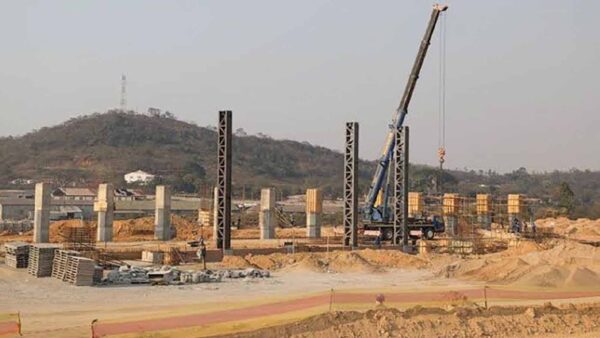
A NEW US$125 million railway line linking Dinson Iron and Steel Company’s Manhize Steel Plant to Mvuma is set to transform the movement of minerals and steel, while providing a major boost to Zimbabwe’s industrialisation drive.
The 54-kilometre rail link is at the centre of a strategic cooperation agreement signed yesterday between the National Railways of Zimbabwe (NRZ), Grand Railway Solutions (GRS) and Disco, in what has been described as a major step towards rebuilding the country’s rail infrastructure and strengthening the industrial value chain.
Representatives from NRZ, GRS and Disco signed the memorandum of understanding, paving the way for the commencement of the construction of the railway line.
The project will provide a dedicated rail connection between the Manhize steel complex and the national railway network at Mvuma, allowing the movement of bulk commodities including coal, coke, iron ore and finished steel.
Beyond the construction of the new line, the partnership will see GRS providing locomotives and wagons, with Disco expected to eventually manufacture and refurbish wagons at workshops within the Manhize complex.
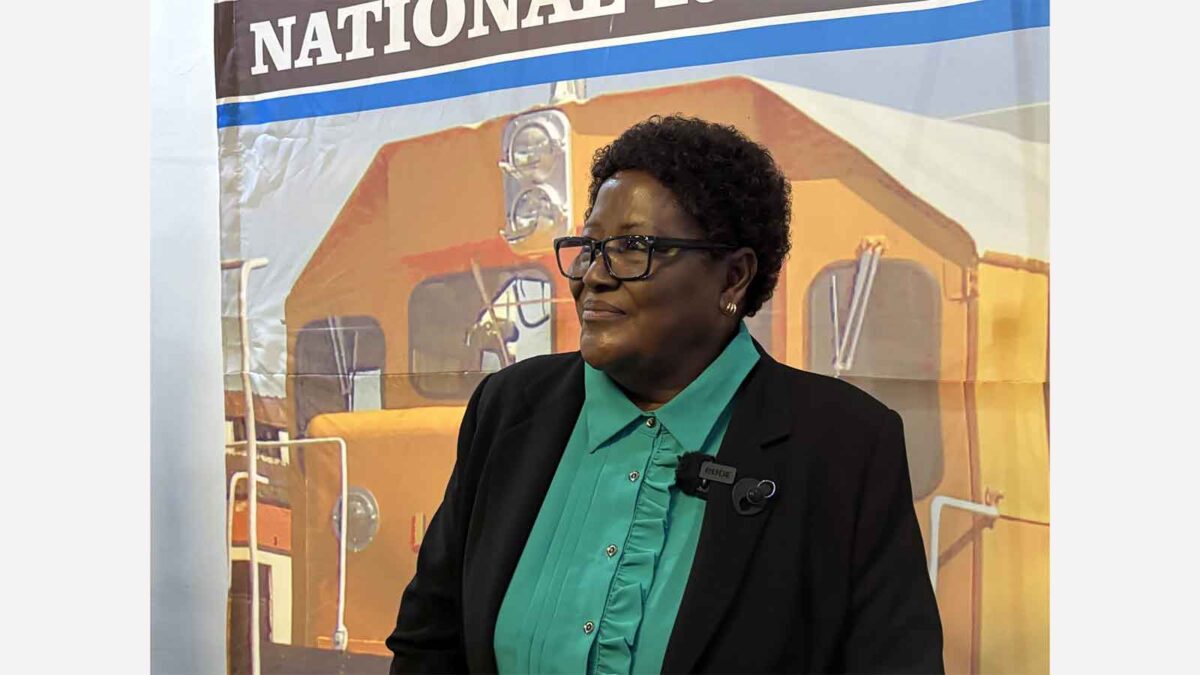
NRZ vice board chairperson Mrs Molly Dingani said the agreement represented more than a commercial partnership, describing it as a strategic investment in Zimbabwe’s transport infrastructure and industrial future.
“We celebrate more than a partnership. We affirm a strategic investment in Zimbabwe’s transport network and industrial future,” she said.
Mrs Dingani said rail remained critical to the movement of bulk freight and its revival would reduce pressure on the country’s roads, lower transport and logistics costs, improve the competitiveness of local industries and strengthen regional trade.
She said the partnership was aligned with Zimbabwe’s broader economic development agenda, including efforts to strengthen productive sectors, promote value addition and facilitate the movement of goods.
“The board regards this partnership not merely as a business arrangement, but as a strategic alignment with Zimbabwe’s broader economic vision,” said Mrs Dingani.
The development comes as Zimbabwe intensifies efforts to achieve Vision 2030 through industrialisation, value addition, infrastructure development and the creation of an efficient logistics network capable of supporting increased production.
GRS director Mr Linos Masimura said the company, which is part of the Dinson Group, was financing and undertaking the construction of the new railway line in partnership with Disco.
“The initial budget for the approximately 54km line was about US$125 million, with the final cost expected to be determined as construction progresses.
“So, we are going to do it, then we’ll see the final cost as we move, but the budget is around that,” he said.
Mr Masimura said NRZ would provide the existing railway infrastructure, regulatory framework and access to the network, while GRS would provide the rolling stock required to move bulk cargo.
He said the immediate objective was to provide locomotives and wagons to transport coal and coke from Hwange to Manhize, while finished steel from the plant would be moved to domestic and international markets.
“The ultimate aim is to have enough rolling stock to move coal, coke, steel and other minerals,” he said.
“The project will also involve upgrading the Mvuma-Gweru section, which currently has limited capacity, to ensure it can handle increased freight generated by the Manhize project and other customers.”
Mr Masimura said the partnership would ultimately seek to move more cargo from road to rail by providing rolling stock to businesses currently dependent on road transportation.
“The arrangement will initially involve a combination of purchasing and leasing locomotives and wagons. However, the long-term plan is to develop local wagon manufacturing capacity at Manhize,” he said.
Mr Masimura said one of the workshops used during the construction of the Manhize steel plant would eventually be repurposed to refurbish and manufacture wagons.
“In the long run, we will see a wagon being done from scratch until it’s usable from this place, as well as other sites that are there,” he said.
Mr Masimura said the development could, therefore, create a new industrial value chain around railway equipment, creating opportunities for skills development, employment, engineering and local manufacturing.
Disco chief executive officer Mr Benson Xu said Disco was positioning itself as an anchor customer for NRZ, with reliable rail logistics being critical to transforming the steel project into an industrial and export hub.
“Dinson is proud to be the anchor customer of NRZ and the industrial partner,” he said.
Mr Xu said Manhize was more than a steel plant, describing it as an industrial park focused on production, processing, value addition and exports.
“For that hub to succeed, reliable, efficient and competitive rail logistics are essential,” he said.
Rail, Mr Xu said, is particularly important to heavy industry because it could move large volumes of cargo while reducing pressure on roads and lowering logistics costs.
“Rail is the backbone of heavy industry. It moves bulk cargo at scale. It reduces costs, eases road congestion, improves safety, lowers emissions and connects production centres through regional and international markets,” said Mr Xu.
He said the partnership is expected to provide NRZ with a predictable freight base while supporting Disco’s production and export ambitions.
It also provides a practical model for developing bankable rail corridors anchored by major industrial and mining customers. The benefits of the partnership would extend beyond the companies involved through increased production, exports, employment and skills development.
“It’s a partnership for production. It’s a partnership for exports and it’s a partnership for the public,” said Mr Xu.
He, however, said the signing ceremony marked the beginning of the project rather than its conclusion.
“The signing is the beginning, not the end. The true test of this agreement will be in the trains that run, the cargoes that move, the jobs that are created, and the skills that are transferred and the value that is retained,” said Mr Xu.
Secretary for Provincial Affairs and Devolution for Matabeleland North Ms Sithandiwe Ncube welcomed the development, saying moving coal from roads to rail would help preserve road infrastructure while reducing transport costs.
She said communities in Matabeleland North had a particular interest in the development because of the heavy movement of coal and other bulk commodities.
“We’re very excited to learn that the issue is going ahead. For us in Matabeleland North, we can testify to the excitement we will have,” she said.
Ms Ncube said removing coal from roads would preserve road infrastructure and contribute to lower logistics costs, while the project would also create employment opportunities.
“Removal of coal from roads will preserve the road infrastructure. We’re also looking at cutting costs and that is a positive development for the economy,” she said.
The Government, Ms Ncube said, was ready to support the new venture as the country sought to strengthen its industrial and transport infrastructure.
“The partnership is expected to strengthen the link between mining, steel production, manufacturing and logistics, while supporting Zimbabwe’s broader objective of increasing domestic value addition and moving towards an upper-middle-income economy under Vision 2030, “ she said.
With the Manhize-Mvuma line forming the first major component, the partners envisage further expansion of the railway network to accommodate other industrial customers and shift more bulk cargo from road to rail.
The ultimate objective is to restore rail to a central role in Zimbabwe’s economy while creating an integrated logistics system capable of supporting industrial production, domestic commerce, regional trade and exports.