Rutendo Nyeve
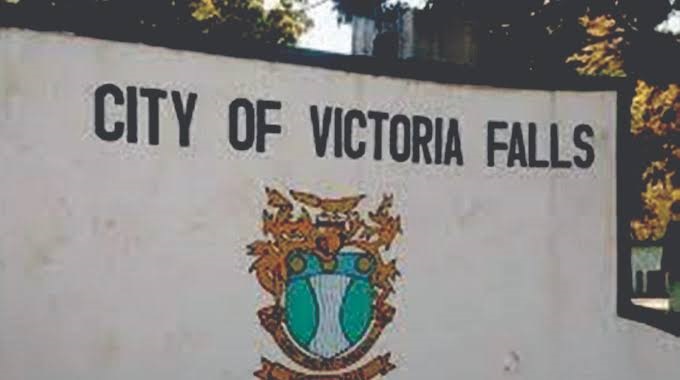
THE Victoria Falls City Council (VFCC) is proposing increases in several tariffs, including water charges, refuse collection fees, property rates and business licences, as it seeks to align its 2027 budget with national development priorities.
The proposed adjustments, presented to stakeholders during the final budget consultation, will affect households, hotels, lodges, restaurants and other businesses operating in the resort city.
The council said its 2027 budget was guided by the national theme, “Accelerating Economic Transformation and Building Resilience to Climate and Global Shocks”, in line with the National Development Strategy 2 (NDS 2).
Key priorities outlined in the 2027 budget circular include linking strategic planning to budgeting, controlling staffing levels and employee compensation, investing in public infrastructure, promoting gender equality and inclusive development, strengthening citizen engagement and mainstreaming climate change considerations.
The council also highlighted the need to comply fully with International Public Sector Accounting Standards.
Priority will be given to ongoing projects and initiatives aimed at strengthening climate resilience, reducing disaster risks, improving food security and protecting life and property.
“A collective approach will enable the achievement of Minimum Service Delivery Standards (MSDS),” the council said in its presentation.
Under the proposed tariff adjustments, water charges for high-density residential consumers using between five and 15 cubic metres per month will rise from US$0,74 to US$0,92 per cubic metre.
For consumption of between 16 and 30 cubic metres, the charge will increase from US$0,79 to US$0,98 per cubic metre.
Commercial consumers using between 21 and 50 cubic metres will pay US$1,37 per cubic metre, up from US$1,10.
Refuse collection charges will also increase, with high-density households paying US$5,50 per bin per month, compared with the current US$5,00. Hotels will pay US$38,50 per bin per month, up from US$35,00.
Residential rates for low-density properties measuring 1 200 square metres are also set to increase, with the charge for the first unit rising from US$64,50 to US$93,14.
Business licence fees will see some of the most notable adjustments. Five-star hotels will pay US$1 700, up from US$500, while lodges with 40 rooms or more will be charged US$500.
Car hire operators will pay US$500, compared with the previous US$206, while restaurants will also be charged US$500.
The proposed budget introduces new tariffs, including a US$300 electronic billboard licence, a US$500 media house licence and a US$30 tipping fee for waste originating outside the council’s jurisdiction.
The council is also proposing new fines and penalties, including US$25 for failure to produce a food handler’s medical certificate, US$105 for open burning of waste, US$200 for chemical spillage and US$200 for oil spillage.
The local authority said its budgeting process followed a cycle comprising budget preparation, legislation or authorisation, review, execution, and monitoring and evaluation.
The legal framework governing the process includes Section 298 of the Constitution of Zimbabwe, the Public Finance Management Act, the Urban Councils Act and other relevant legislation and Treasury budget circulars.