Online Reporter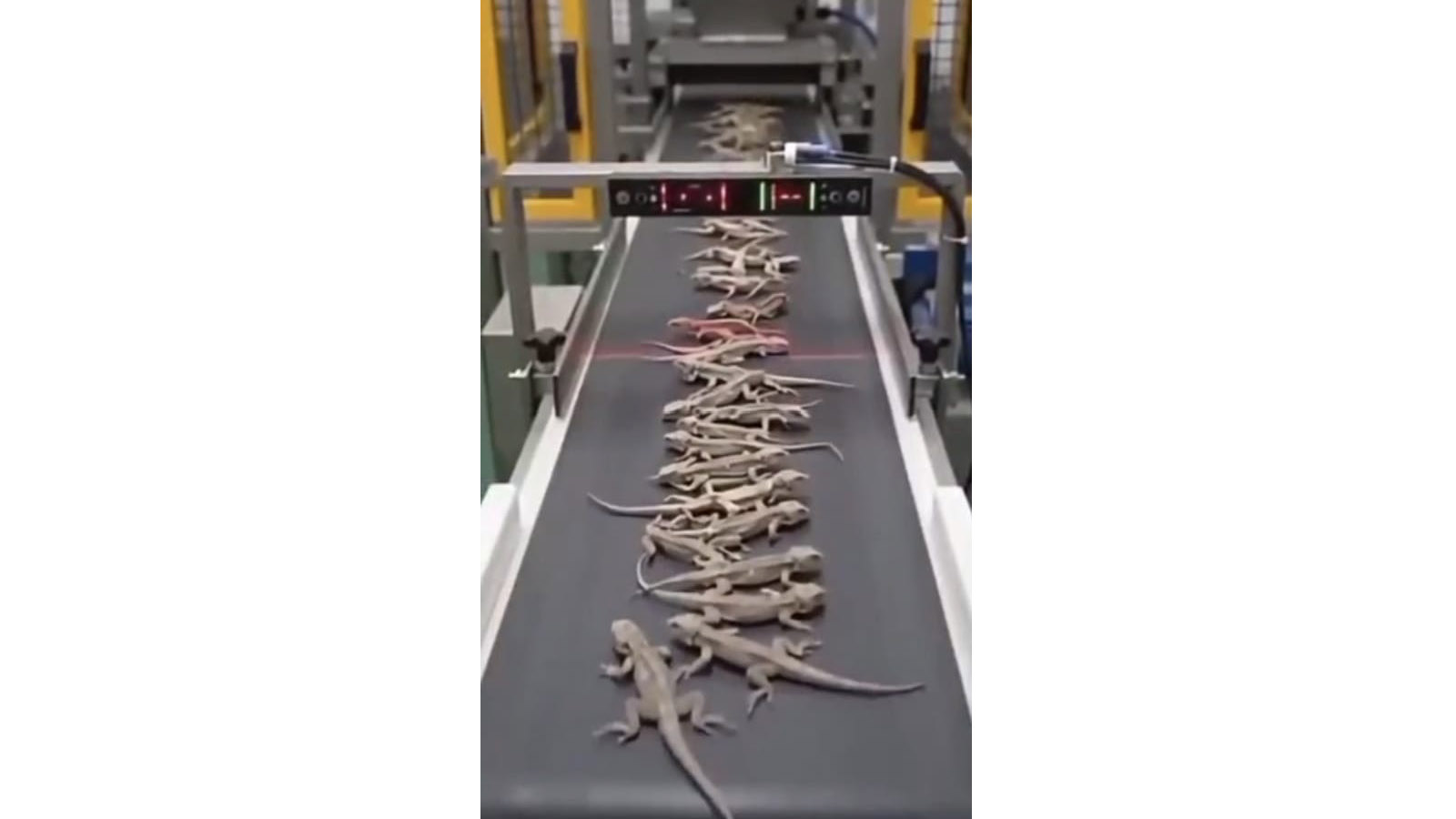
. . . It turns out the video is AI-generated content
Temba Dube
A VIRAL video, purportedly showing that noodles are made from dried geckos, has led some people to vomit while some are now swearing they will never eat them again.
The video shows tonnes of geckos being sorted from bags at an assembly line before being dried in an oven.
After being ground into a powder that is mixed with other ingredients, the lizards are ‘processed into noodles’.
B-Metro took steps to verify the authenticity of the video.
It turns out it was generated by AI and there is no shred of truth in it.
Deep fake AI videos are becoming increasingly ‘realistic’ and they often mislead some people who may think they are authentic.
There has been an outcry on platforms which include Facebook and WhatsApp. Dismissing the video, Busisa Moyo the United Refineries CEO, said: “The video is obviously fake. We used to make noodles at United Refineries.
“The major ingredients are wheat or flour,” he said.
A food inspector in Bulawayo said instant and packaged noodles are made from basic ingredients such as wheat flour, water, salt and oil.
“Viral videos claiming geckos are being processed into noodles are AI-generated rage-bait, with obvious signs including morphing animals, objects clipping through conveyor belts and impossible factory physics.
“In reality, sourcing millions of wild geckos for industrial food production would be impractical and assuming they can be found in abundance, the cost of processing them would be prohibitive. “Besides, using them would violate basic food safety standards,” said the inspector, who declined to be named.
An IT expert, Ntando Moyo, said telltale signs that the video is fake include the lizards all looking the same size and having perfect symmetry, which is impossible in nature.
Despite the assurances, some people are refusing to accept that the videos are fake. “I’ll never eat that s*** again!” said Desmond Mthembu responding to a status on WhatsApp.
After being told the video was fake, he responded: “I can’t unsee what I saw. In my mind it will always be lizards…”
“Ngaze nganyanya,” wrote Trisa-Ray Sibanda on Facebook.
“Good thing i long stopped eating them,” wrote Samantha Mahlangu.
Jacky Mutarah joked: “Oh that’s where the flavour comes from, protein overload kkkk.” Mpokuhle Mabhena Lunga appeared unmoved by the video.
“Yikho emnandi phambili ngama noodles phambili,” she wrote.
Softie Nontie dismissed the video outright; “Themba we all know that that’s not true.”
Raisedon Baya and Whitney Shelma Sibanda regretted ever seeing the video.
“Wish had not seen this,” wrote Baya, with Sibanda echoing the same sentiment: I wish I never saw this, if it’s true I no longer buy them.
Moyo, the IT expert, told B-Metro that the noodles video is part of a growing problem involving AI-generated videos designed to look real enough to fool unsuspecting viewers.
She said Deepfakes are videos, pictures or audio created or manipulated using artificial intelligence to make people appear to say or do things that never happened. They are increasingly being used to create shocking or outrageous material designed to generate clicks, shares and reactions.
The danger, she explained, is that many people believe “what they see before checking where it came from,” said Moyo. She said content creators are going to incredible lengths to attract clicks and follows and various AI tools are helping them. “The more shocking the video, the more likely people are to comment, share and argue about it, helping it spread across social media,” said Moyo.
In the age of AI, she said, seeing is no longer always believing.
“Before forwarding that shocking video to the family WhatsApp group, netizens should check its source, look for credible reports and watch carefully for signs that the footage has been digitally manipulated.
“Because once a fake video goes viral, the truth can struggle to catch up.”