Judith Phiri [email protected]
THE Grain Marketing Board (GMB) has stepped up efforts to reduce post-harvest losses through improved grain handling, storage and preservation systems as the country moves to safeguard locally produced grain and strengthen food security ahead of the anticipated El Niño phenomenon.
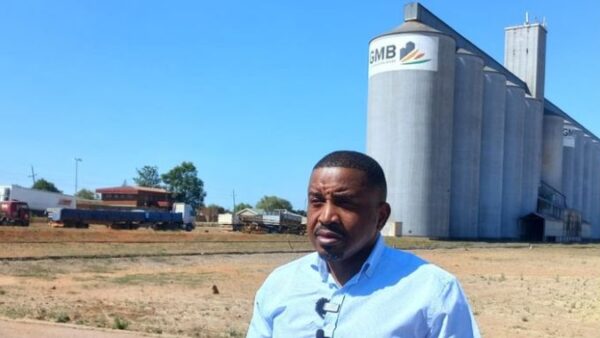
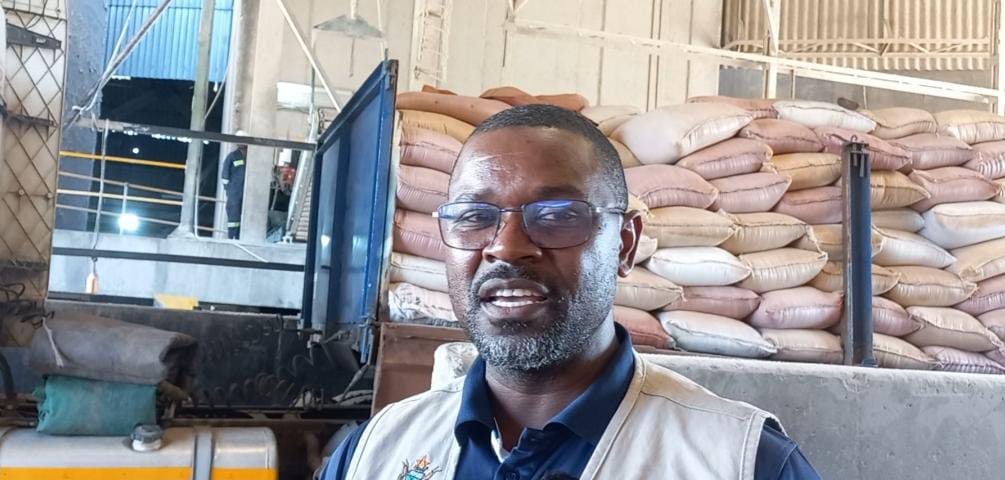
In an interview on the sidelines of the GMB depot in Bulawayo tour on Thursday, GMB chief executive officer (CEO) Dr Edson Badarai said they have come up with a number of strategies to avoid post-harvest losses.
“As you are aware, post-harvest loss reduction is actually one of the sub-pillars of the pillar one of enhanced grain as strategic grain reserve under the drought mitigation.
“So what we have done and what we are doing is that as you see these silos, they are the best in terms of preservation. So we maintain that we should go below 1 percent post-harvest loss. We fumigate every 14 days and we also rotate the maize within these silos so that we prevent bin burn (moisture migration that cause dampness and mold),” he said.
He said in terms of hard stains on silos, they are fumigated every 14 days, but the aeration is done every day as they remove the tarpaulins and put them back at the end of the day.
Dr Badarai said they also provide farmers with chemicals and fumigants to help also protect their grain.
“Our storage capacity here in Bulawayo is 75 000 metric tonnes because each one silo is 5 000 metric tonnes and we have 15. However, we have utilised 45 000 metric tonnes currently and we believe it is enough as of now for the purposes and intention that we have.”
Meanwhile, in terms of the Presidents inputs, he said nationwide at their depots they have 12 000 metric tonnes of basal and more than 25 000 metric tonnes of ammonium nitrate (AN) fertiliser.
Dr Badarai said: “The inputs are adequate for the season. We have various levels of seeds, but the focus is also on traditional grain given that this is a drought season. We have to climate proof, so if you do not have irrigation scheme or irrigated land, we advise that you use traditional grains because they are resilient.”
Traditional grains play a vital role in the country’s food security, nutrition, and climate adaptation, especially in drought-prone regions such as Natural Farming Regions IV and V.
These crops offer an opportunity to reduce climate-related production risks, strengthen household food security and create new income streams.
The Government, through the Ministry of Agriculture, Mechanisation and Water Resources Development’s six-pillar drought mitigation strategy, is advancing a comprehensive response to the anticipated El Niño-induced drought conditions.
Central to this response is Pillar 2: Accelerated Climate-Smart Production, which emphasises the importance of climate-resilient agricultural practices, crop diversification and production systems suited to prevailing agro-ecological conditions.
Growing traditional grains such as sorghum, pearl millet and finger millet is, therefore, not merely a return to traditional farming, but a practical contribution to national efforts to strengthen food security and resilience.