Prosper Ndlovu in St Petersburg, Russia
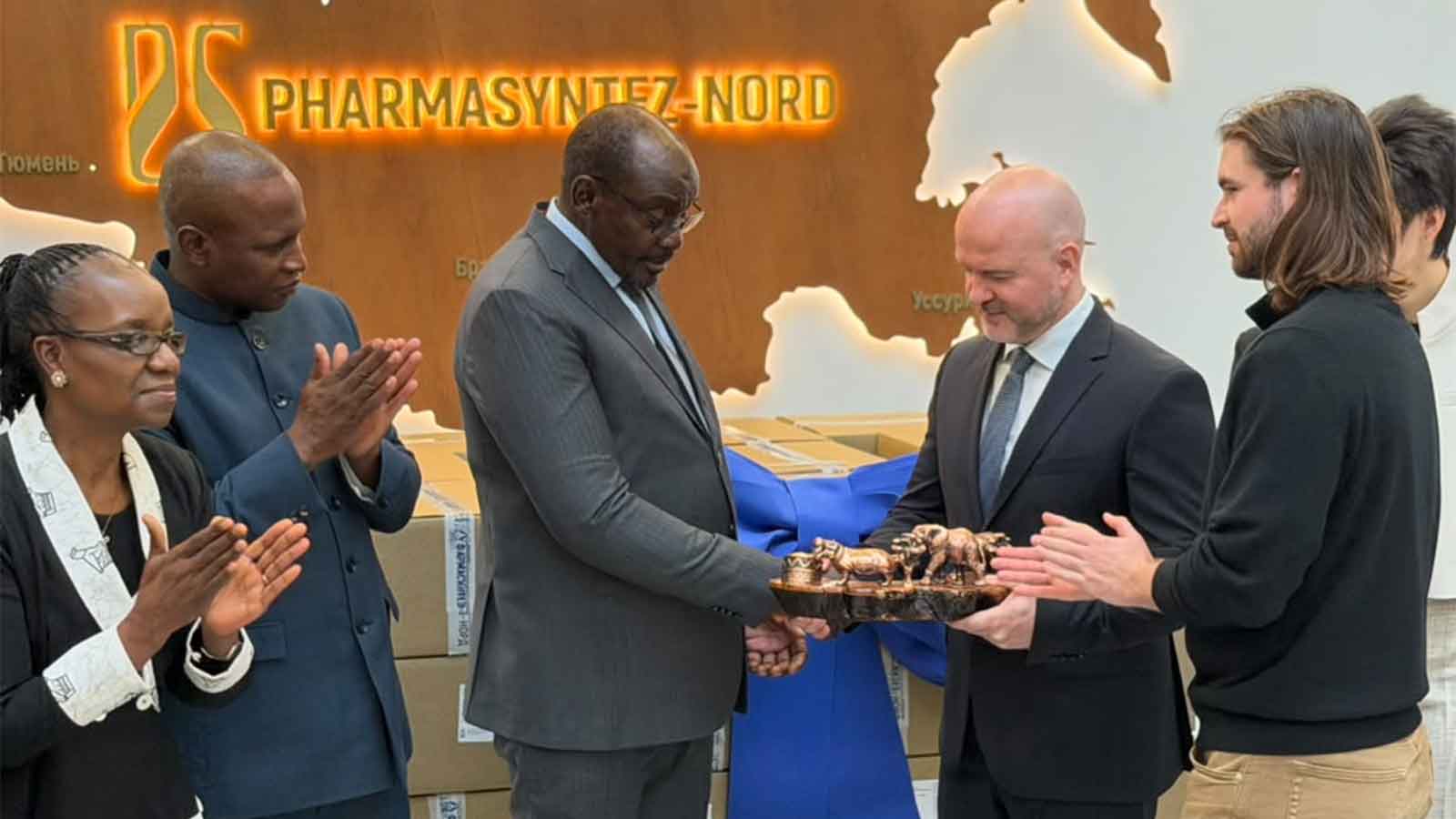
Vice President Kembo Mohadi says Zimbabwe is pursuing the local manufacture of critical medicines, with Government negotiating with Russian pharmaceutical giant Pharmasyntez-Nord Group to establish a domestic plant that guarantees lasting technology transfer.
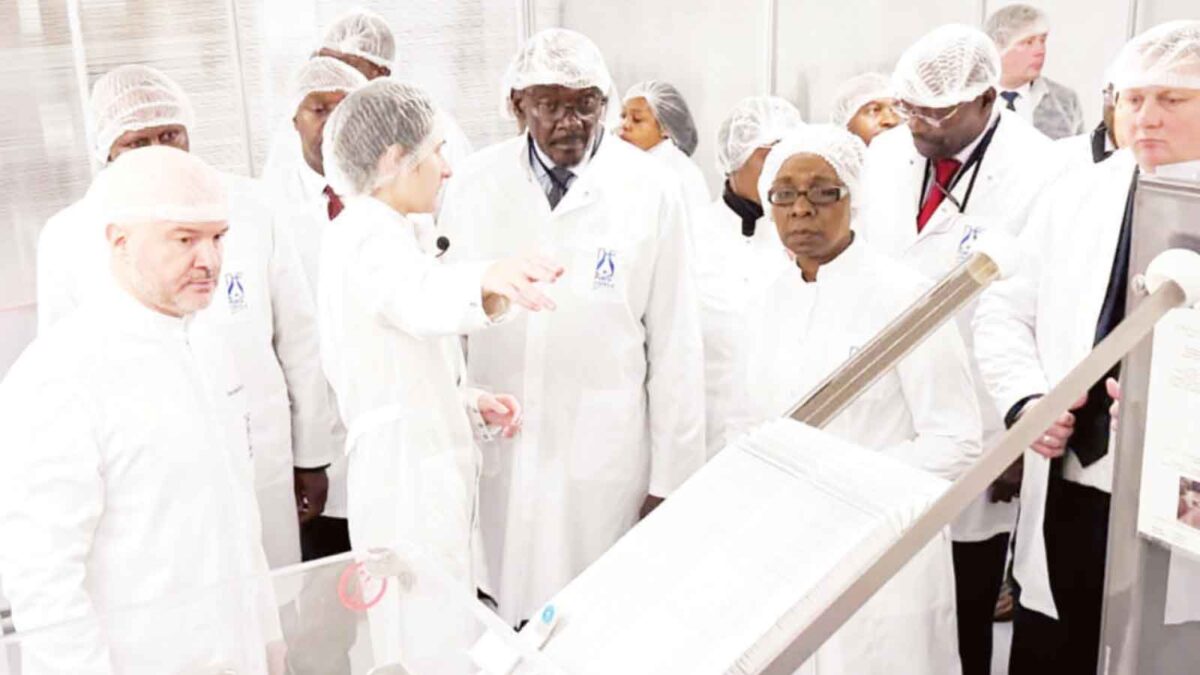
Speaking after touring the firm’s industrial complex in St Petersburg yesterday, VP Mohadi said Zimbabwe aims to become a producer rather than merely an importer of medicines, leveraging Russian technology to decentralise cancer care and advance Vision 2030.
“We are here to see and learn what other people are doing through the relationship between our two countries. We found it prudent to come here and see what they are doing because they want us to have a relationship with them, or a trading partnership in pharmaceuticals,” he said.
“What they are doing is not necessarily unique from what other countries are doing, but what I think will benefit us is that, since they have approached us and want to work with us, it would be prudent for us to engage them so that they establish themselves back home. In that way, there will be technology transfer that remains in Zimbabwe and benefits future generations. It’s a good thing that we have been here.”
VP Mohadi said adopting advanced medical technology was critical to decentralising specialist healthcare, noting that existing cancer diagnostic equipment at Mpilo Central Hospital and Parirenyatwa Group of Hospitals was insufficient to meet the needs of patients living far from major urban centres.
“We have indeed managed to acquire some cancer diagnostic machines at Mpilo and Parirenyatwa, but that is not enough. If somebody suffering from cancer lives far from Mpilo, how are they going to be treated? Do they have to travel all the way to Mpilo or Parirenyatwa? It doesn’t work that way,” he said.
“We haven’t done enough, even though we have procured those machines. We need more, and we don’t only need machines; we also need expertise. We need new technology and new medicines that tackle this disease. Here, they have shown us how they produce medicines that mitigate the effects of cancer.
“We do not want our people travelling long distances to access medical assistance, just as we do not want children travelling more than five kilometres to reach a school or clinic. So we need to decentralise.”
Noting that cancer and other non-communicable diseases affect communities regardless of location, the Vice President stressed the need to bring treatment closer to rural populations.
“Cancer does not choose where to attack. It can affect anybody, anywhere, including in remote areas. So we need to be closer to the people. We need to provide the treatment that is required there and then, rather than waiting for people to die,” he said.
VP Mohadi said the initiative builds on the recent meeting between President Mnangagwa and Russian President Vladimir Putin in Moscow during the Third Russia-Africa Summit, as Harare and Moscow transition from historical political solidarity to mutually beneficial economic cooperation.
“The ties between Zimbabwe and Russia are evolving into economic relations that will benefit Zimbabweans back home. The Ambassador is here, Cde Mark Grey Marongwe, and we were discussing the possibility of having a trade attaché in Russia. We want to increase the volume of trade between the two countries because it is not yet as substantial as it should be,” he said.
“We have had a good relationship with Russia since the days of the Soviet Union. The weapons we used during our liberation struggle came from this country free of charge. The AK-47 came from here; it was manufactured here in 1947 after they had defeated the Germans.” He said deepening bilateral relations would allow Zimbabwe to leverage its mineral resources in exchange for Russian expertise, particularly as more Zimbabwean STEM students pursue studies in medicine, engineering and other disciplines in Russia.
“We want to maintain and even strengthen this relationship so that we benefit more from each other. There are things they want from us. We have minerals they would be interested in, while we need the technology that they possess.
“That is why we are bringing many STEM students here to study medicine, engineering and other disciplines. We want to learn as much as possible from them so that we can also develop our country,” he said.
VP Mohadi, who oversees the Health cluster, said such partnerships are critical to achieving Vision 2030, noting that Zimbabwe has already attained the targeted per capita income threshold.
His visit follows up on the 2025 Memorandum of Understanding signed between the health ministries of Zimbabwe and Russia.
He is leading a technical delegation comprising Deputy Minister of Health and Child Care Sleiman Kwidini, Public Health Advisor in the Office of the President and Cabinet Dr Agness Mahomva, and representatives from the pharmaceutical private sector.