


 Online Reporter
THE decision by Hardrock to suspend their CEO following his arrest over the crowd trouble at Chahwanda deserves praise.
It reflects a level of professionalism that Zimbabwean football desperately needs.
At a time when emotions often cloud judgment in local football administration, Hardrock have shown that accountability and the image of the game must come first.
Football is more than just ninety minutes on the pitch.
Clubs are institutions that represent communities, sponsors, supporters and the values of the sport itself.
When violence and crowd trouble erupt at stadiums, the damage goes far beyond the immediate incident.
Families become afraid to attend matches, sponsors become reluctant to invest, and the reputation of the league suffers.
This is why clubs must act decisively whenever their officials are linked to incidents that bring the game into disrepute.
By suspending their CEO, Kudzanai Hove, Hardrock have sent a strong message that no individual is bigger than the club.
In many cases in Zimbabwean football, clubs rush to defend officials or players before investigations are completed.
Others choose silence and hope the controversy disappears.
That culture has contributed to a perception that football authorities tolerate disorder and indiscipline.
Hardrock have chosen a different path — one that prioritises integrity and due process.
Importantly, suspension is not the same as declaring someone guilty.
It is simply a responsible administrative step that allows investigations to proceed without interference or unnecessary pressure on the club.
This distinction is important because emotions around football can easily become heated.
Hardrock are respecting the legal process while also protecting the reputation of the institution.
That balance is exactly what professionalism looks like.
The crowd trouble at Chahwanda was unfortunate and embarrassing for local football.
Our football has worked hard in recent years to improve its image, attract sponsors and rebuild supporter confidence.
Scenes of chaos undo much of that progress.
Stadium violence creates fear among supporters, especially women and children, who should feel safe when attending matches.
If football grounds become associated with danger and lawlessness, the league risks losing the very people who keep it alive.
This is why club leaders must be held to higher standards.
Executives are expected to calm tensions, promote discipline and lead by example.
Their conduct, both inside and outside the stadium, shapes the culture of the club.
When allegations arise involving senior officials, decisive action becomes necessary because leadership carries responsibility.
Hardrock recognised this reality and acted swiftly.
The club also deserve credit for understanding the importance of public trust.
Sponsors and partners want to be associated with organisations that act responsibly during difficult moments.
Fans also appreciate transparency and accountability.
By taking action instead of pretending nothing happened, Hardrock have shown maturity that could strengthen confidence in the club over the long term.
Zimbabwean football can learn an important lesson from this episode.
Clubs should never wait for public outrage before acting.
Professionalism requires consistency, courage and respect for the rules of the game.
Accountability must apply equally to players, supporters, coaches and executives.


 Bongani Ndlovu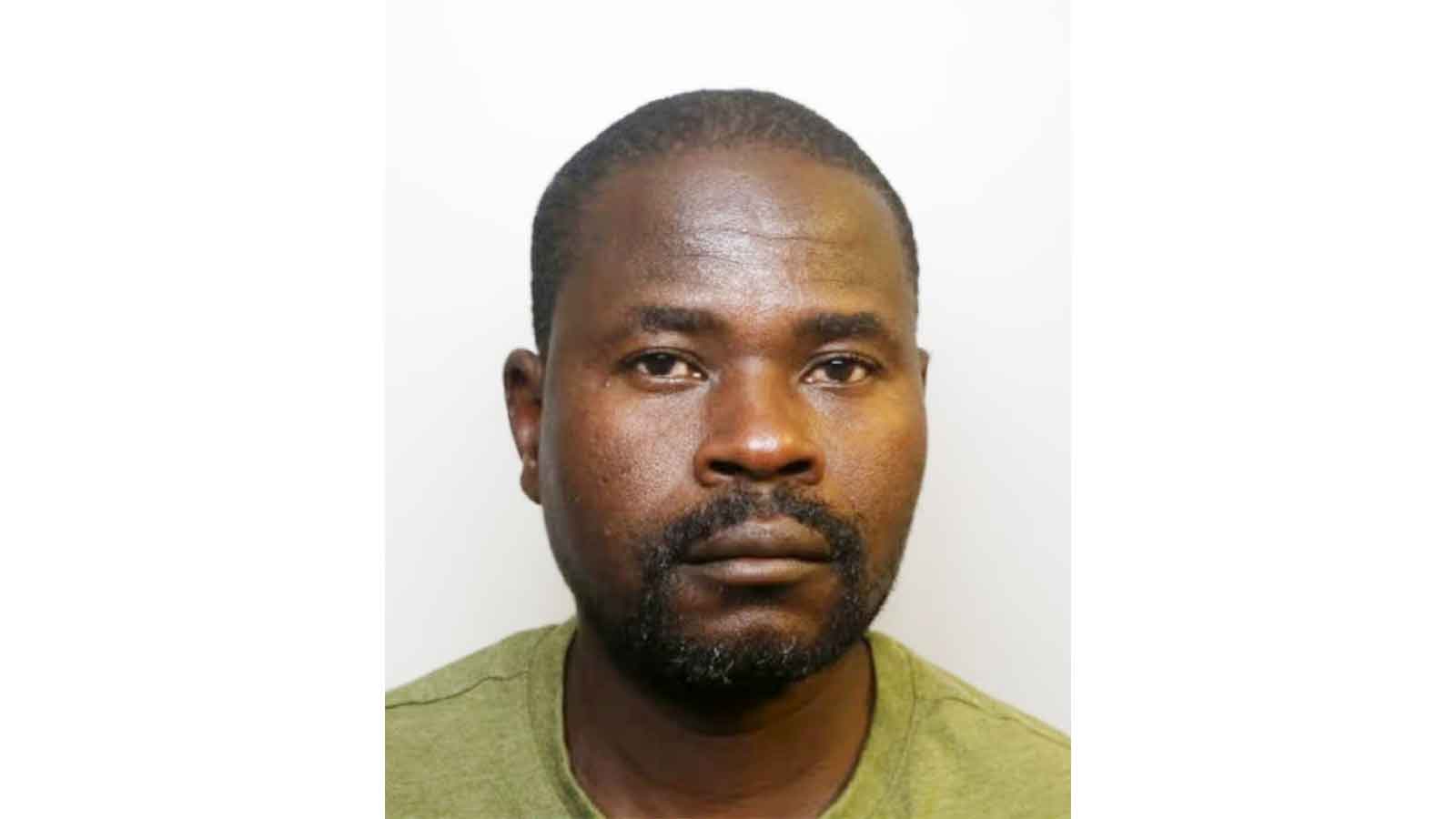
Those in the know will laugh secretly over this false impression. Hardrock “suspended” their CEO and that’s seen and heard by the public. As I said, people laugh and feel good about this “professionalism” displayed by Hardrock FC but the reality is different from that. Hove is still in charge at Hardrock, that’s the reality. Unfortunately the public won’t have a way of proving so. Tough luck to those who have been sold a dud.