Online Reporter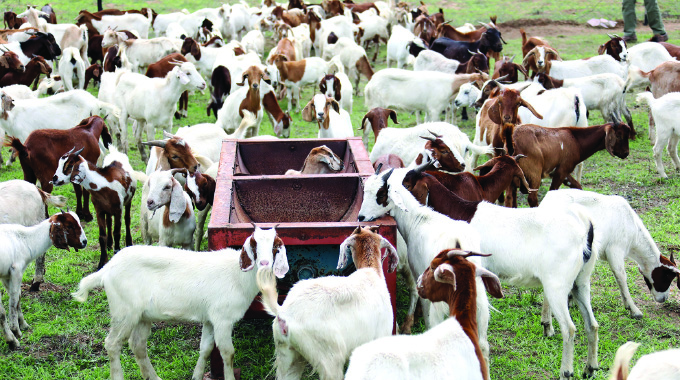
Talking Farming, Sifiso Ndlovu Agbetorwoka
FOR many years, goats have been affectionately referred to as “the poor man’s cow.”
While this saying may have reflected reality in the past, it no longer tells the full story. Today, goats are proving to be one of the smartest livestock investments a Zimbabwean farmer can make.
As climate change continues to affect rainfall patterns and grazing conditions, more farmers are looking for livestock enterprises that are drought-resilient, require lower start-up capital than cattle, and offer reliable income opportunities. Goat farming ticks all these boxes.
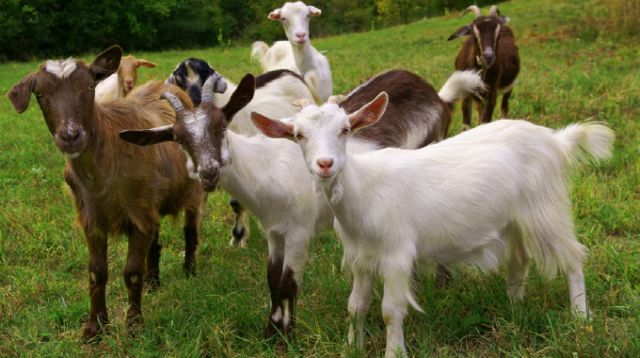
Traditionally, many Zimbabwean households have kept goats mainly for home use, cultural ceremonies or as a form of savings. Unlike cattle, which are central to the payment of lobola (roora), goats have often been seen as animals of lesser value. Yet they have always played an important role in our communities, featuring at weddings, funerals,
Christmas celebrations and traditional ceremonies such as masungiro/ukucola.
The difference today is that farmers are beginning to recognise goats not simply as livestock to keep, but as a business to grow.
Demand for chevon (goat meat) continues to increase both locally and beyond our borders. At the same time, quality breeding stock of popular breeds such as the Matabele, Mashona and Boer goat is attracting premium prices. This growing market presents an exciting opportunity for farmers who are willing to produce healthy, well-managed animals.
So why should you consider adding goats to your farming enterprise?
Firstly, goats are remarkably climate-smart. They are natural browsers, preferring leaves, shrubs and tree branches rather than depending mainly on grass. This means they can coexist very well with cattle and sheep while making better use of available vegetation.
Secondly, goats are not affected by January Disease (Theileriosis), a tick-borne disease that has caused devastating cattle losses in many parts of Zimbabwe. While goats have their own health challenges, they are spared one of the country’s most costly livestock diseases.
Goats are also highly productive. Healthy breeding females commonly give birth to twins and, in some cases, triplets.
This allows a flock to grow much faster than a cattle herd, enabling farmers to build their numbers and generate income more quickly.
From a consumer’s perspective, goat meat is becoming increasingly popular because it is naturally lean, containing less fat and cholesterol than beef. As more people become health-conscious, this trend is likely to continue.
Another advantage is that goats require less land than cattle and are generally easier to handle. Routine activities such as treatment, ear tagging, weighing and milking can often be carried out without the expensive handling facilities needed for larger livestock.
However, profitable goat farming does not happen by chance. It requires planning, good management and a business mindset.
The first step is choosing the right breed for your farming goals. Not all goats are the same. Some breeds are better suited for meat production, while others excel in milk production or breeding. Understanding your market should guide your breeding decisions.
Nutrition is equally important. One common practice in many rural areas is releasing goats to browse for only a few hours before bringing them back into the pen. While this may keep animals alive, it is unlikely to maximise growth and productivity. Feed is the single biggest cost in goat farming, often accounting for 60 to 70 percent of production costs. Farmers should therefore learn how to provide balanced nutrition while reducing costs by growing fodder and making better use of locally available feed resources.
Good health management is another pillar of success. Regular dipping, timely vaccination where appropriate, parasite control and early treatment of sick animals can prevent major losses. Successful farmers spend more time preventing disease than treating it.
Management practices also deserve careful attention. Controlled breeding, avoiding inbreeding, ensuring new-born kids receive colostrum soon after birth and planning breeding, kidding and weaning seasons all contribute to improved productivity and profitability.
Marketing should never be an afterthought. Before increasing goat numbers, know who your customers are. Are you producing meat, breeding stock or milk? Timing also matters. Demand for meat goats often peaks during Christmas and other festive periods, while quality breeding stock attracts the best prices when animals are healthy and in excellent body condition.
Finally, farmers should think beyond selling live goats. There are opportunities to add value through goat meat, milk, skins and even manure, which is an excellent organic fertiliser. These additional income streams can significantly improve the profitability of the enterprise.
The future of goat farming in Zimbabwe is bright. As consumer demand continues to grow and farmers adopt better production practices, goats are steadily shedding the outdated label of “the poor man’s cow.” They are becoming recognised for what they truly are: a resilient, productive and profitable livestock enterprise.
Whether you are an experienced livestock farmer or someone looking to start with limited capital, goats deserve serious consideration. Managed well, they have the potential to improve household incomes, strengthen food security and build lasting wealth — one kid at a time.
Bulembe livestock centre tip of the week:
Goats do not make farmers wealthy overnight, but with good breeding, sound nutrition and disciplined management, they can quietly build a thriving livestock business — one kid at a time.
n Sifiso Ndlovu Agbetorwoka is the Director at Bulembe Livestock Centre. She can be reached via email [email protected]