Online Reporter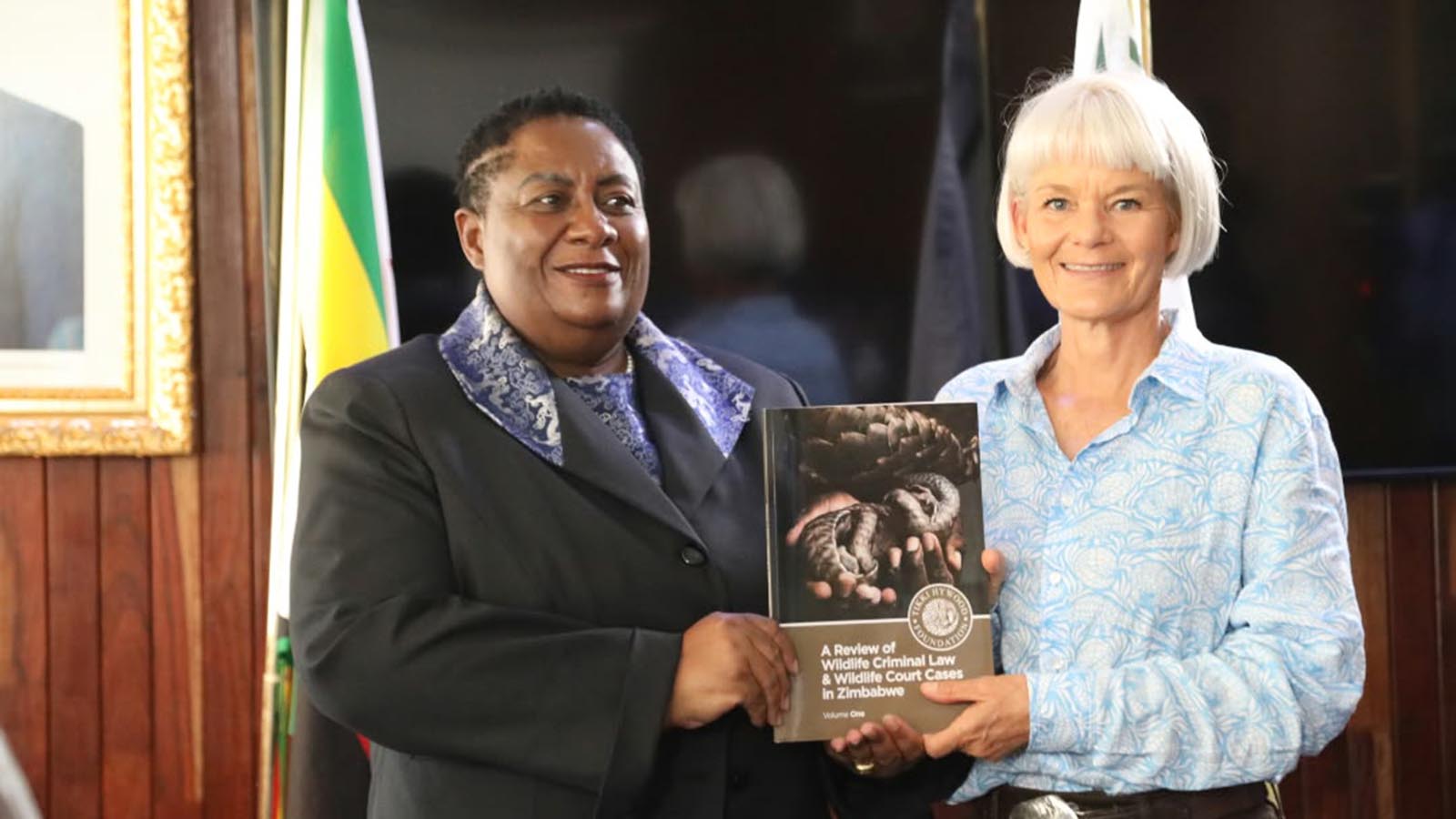
Nyore Madzianike
Senior Reporter
PROSECUTOR-GENERAL Justice Loyce Matanda-Moyo said wildlife crimes, through poaching, illegal trafficking or habitat destruction, directly sabotage strategic national development priorities and should not be treated as secondary offences.
Justice Matanda-Moyo said protection of biodiversity was a constitutional duty and a cornerstone for sustainable development.
“Wildlife crime is not a peripheral issue. It strikes at the very heart of our national development agenda,: she said.
“Zimbabwe is blessed with an extraordinary, diverse heritage of flora and fauna. Yet, this endowment comes with a sacred responsibility.
“The protection of our biodiversity is a constitutional duty and a cornerstone of sustainable development.”
Justice Matanda-Moyo said environmental stewardship was also an economic growth enabler which should be embraced as the country implements the National Development Strategy 2 (NDS2).
“As citizens, we have all witnessed firsthand the devastating impact of wildlife crime on our nation,” he said.
“We have seen rhinos slaughtered for their horns, elephants poisoned for their tusks and pangolins captured for illicit trade.
“These are not merely crimes against nature, they are crimes against our economy, our communities, our heritage and our future generations.
“Wildlife crime is not a peripheral issue. It strikes at the very heart of our national development agenda. As our nation transitions toward the implementation of the National Development Strategy 2 (NDS2) and our overarching goal of Vision 2030, we must recognise that economic growth and environmental stewardship are inseparable.”
NDS2, she said emphasises sustainable natural resource management, climate resilience, and eco-tourism as critical pillars of national prosperity.
“Wildlife crime, whether through poaching, illegal trafficking, or habitat destruction directly sabotages these strategic national priorities,” she said.
Justice Matanda-Moyo said communities’ growth could be sustained through dismantling illicit wildlife trade networks.
She called for strong enforcement, saying wildlife laws were perfectly aligned to national development goals.
“We protect community livelihoods, secure foreign exchange earnings through sustainable tourism, and preserve our ecological integrity for future generations,” he said.
“Strong enforcement of wildlife law is directly aligned with NDS2’s focus on governance, law and order and institutional capacity building.”
Justice Matanda-Moyo last week launched the wildlife handbook, A Review of Wildlife Criminal Law and Wildlife Court Cases in Zimbabwe, which was done in collaboration with the Tikki Haywood Foundation in Harare.
Seasoned public prosecutors Mrs Francisca Mukumbiri, Ms Janet Mlambo, Ms Brenda Tavaka Nyoni and Tikki Haywood Foundation chief executive Ms Linda Haywood and head of legal department Mr Silent Shoko were behind the wildlife handbook.