VATICAN. —There has never been an African Pope but will the continent provide one this time around?
Cardinals from around the world will meet today to formally begin selecting the next pope in a secret ballot after the late Pope Francis‘s funeral on April 26.
The vote itself will take place behind the sealed doors of the Sistine Chapel.
Selecting the next leader of the Catholic Church is a momentous and highly anticipated task. The church counts some 1.4 billion baptised Roman Catholics around the world as members.
Elections in the Vatican are not immune to lobbying and campaigning.
First, the cardinals must hold a series of congregazioni —special meetings at which they will discuss what sort of leader they are looking for.
While only 135 cardinals will be able to vote, as they are below the age of 80, as per the voting rules, all cardinals can attend these meetings irrespective of age. Roberto Regoli, a professor of Catholic Church history at Rome’s Pontifical Gregorian University, said that unlike in a normal election, none of the top contenders in the Vatican is openly canvassing to be elected. Most people would say they do not want the post if asked, he said.
“It’s a lot of work,” Regoli told Al Jazeera. “You have no time to do anything for yourself.”
Results can often be surprising, and experts are wary of speculating in advance. In 2013, for example, Pope Francis was not even counted as a favourite in the media. It was only after a speech he gave at one of the congregazioni that he was noticed.
The candidates:
Cardinal Peter Kodwo Appiah Turkson, 76
Of three prominent African frontrunners, Turkson, who hails from Ghana, is seen as the more moderate and, thus, more suited to diplomacy.
The cohort of African cardinals is, in general, regarded as quite conservative, particularly when it comes to the position of women in the church and same-sex marriage.
Experts previously marked Turkson as a favourite in 2013. Although he leans more conservative than liberal, he is opposed to the criminalisation of gay relations in Ghana, where a bill imposing harsh penalties on homosexuality has been passed.
There has never been an African pope, and such an election would be “ground-breaking”, Pattenden said.
Cardinal Fridolin Ambongo Besungu
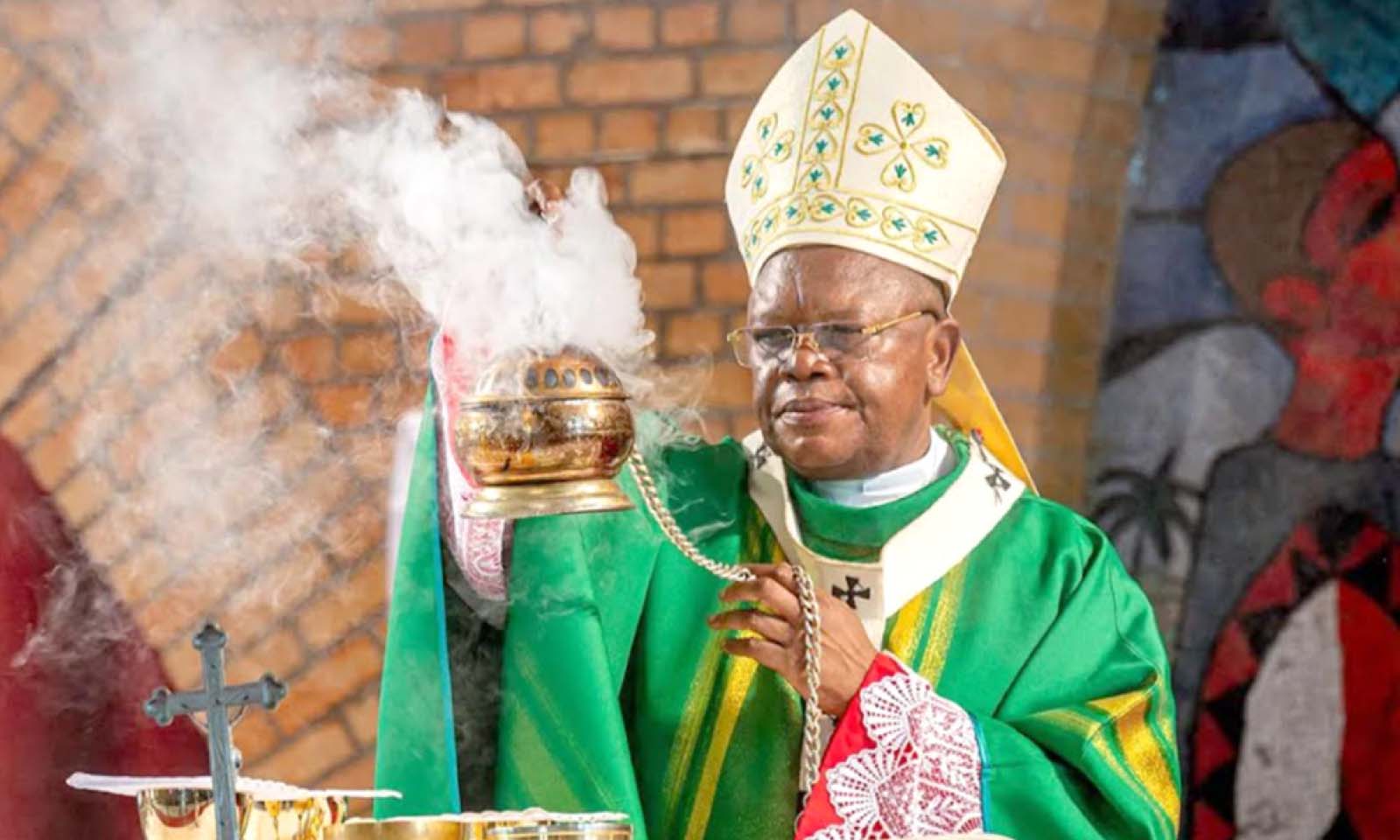
The archbishop of Kinshasa in the Democratic Republic of the Congo, Besungu represents a key demographic in the church: the DRC has more than 7 million Catholics, making it the biggest Catholic country in Africa.
Cardinal Besungu is staunchly traditionalist. While he has spoken out against human rights violations in his homeland, he is unequivocally against blessing same-sex relationships (which Pope Francis introduced), even standing up and criticising Pope Francis about his rulings on the topic.
He is another favourite for the conservative camp.
Cardinal Luis ‘Chito’ Antonio Tagle, 67
Some observers believe the future of the church’s leadership lies outside the traditionally elected class of Italian cardinals.
Tagle, from the Philippines, might suit the cardinals who want that growth to be more visible. The country is the most Catholic in the world, with 80 percent of its 100 million people identifying as Catholics. If elected, Tagle would be the first Asian pope.
Cardinal Pietro Parolin, 70
Italian and present Vatican secretary of state, Parolin’s background and position within the church mean he has a strong chance of being considered for pope. He has held the number two position in the Vatican since 2013.
With diplomatic stints for the church in Nigeria, Mexico, Spain and Italy, he is regarded as a skilled, stable hand on the world stage. He has pushed to improve China-Vatican relations, which have been strained because of the Holy See’s recognition of Taiwan.
Cardinal Peter Erdo, 72
Described as cautious and risk-averse, the Hungarian priest is a respected lawyer and staunch conservative who is likely to have backing from those seeking a change of approach from Pope Francis’s style of leadership.
Erdo, as the archbishop of Esztergom-Budapest, is seen by critics as friendly to the Hungarian right-wing and anti-migrant governing party, Fidesz, causing some observers to describe his candidature as one to be afraid of.
Cardinal Matteo Zuppi
Another well-recognised diplomat, an Italian and archbishop of Bologna, Zuppi led a peace mission to Ukraine in 2023 and helped mediate an end to the Mozambique civil war in 1992.
He was appointed cardinal in 2019 by Francis, whose ideals he broadly agrees with.
Cardinal Michael Czerny, 78
Originally from Czechoslovakia but raised in Canada, the cardinal leads the social justice operations of the Vatican.
He was appointed by Pope Francis and is, like him, a Jesuit – an arm of the church known for its focus on education, missionary work and charitable activities. The two men were considered to be close.
Cardinal Pierbattista Pizzaballa, 60
From Italy, Pizzaballa is the Latin Patriarch of Jerusalem, where he has lived since being ordained as a priest at 25 years old.
Pope Francis appointed him as cardinal in 2023.
Cardinal Robert Sarah, 79
The Guinean cardinal is perhaps the most traditional and orthodox of all the frontrunners and is one of the most recognised African church leaders.
He was appointed archbishop of Conakry at the age of 34 and was, at the time, the youngest bishop in the world. His outspoken nature placed him on an assassination hit list by the former Guinean dictator, Ahmed Sekou Toure. The list was discovered after Toure’s death.
Cardinal Angelo Scola, 83
An old Vatican saying goes thus: “Popes who enter a conclave often emerge as cardinals.” That adage applies to Scola. Back in 2013, the Italian priest was the touted media favourite, going into the conclave as the one most people believed would be pope. When the white smoke went up, a group of Italian bishops even issued statements that Scola had been elected. But he eventually emerged as a cardinal because Pope Francis had been elected.— Al Jazeera