Online Reporter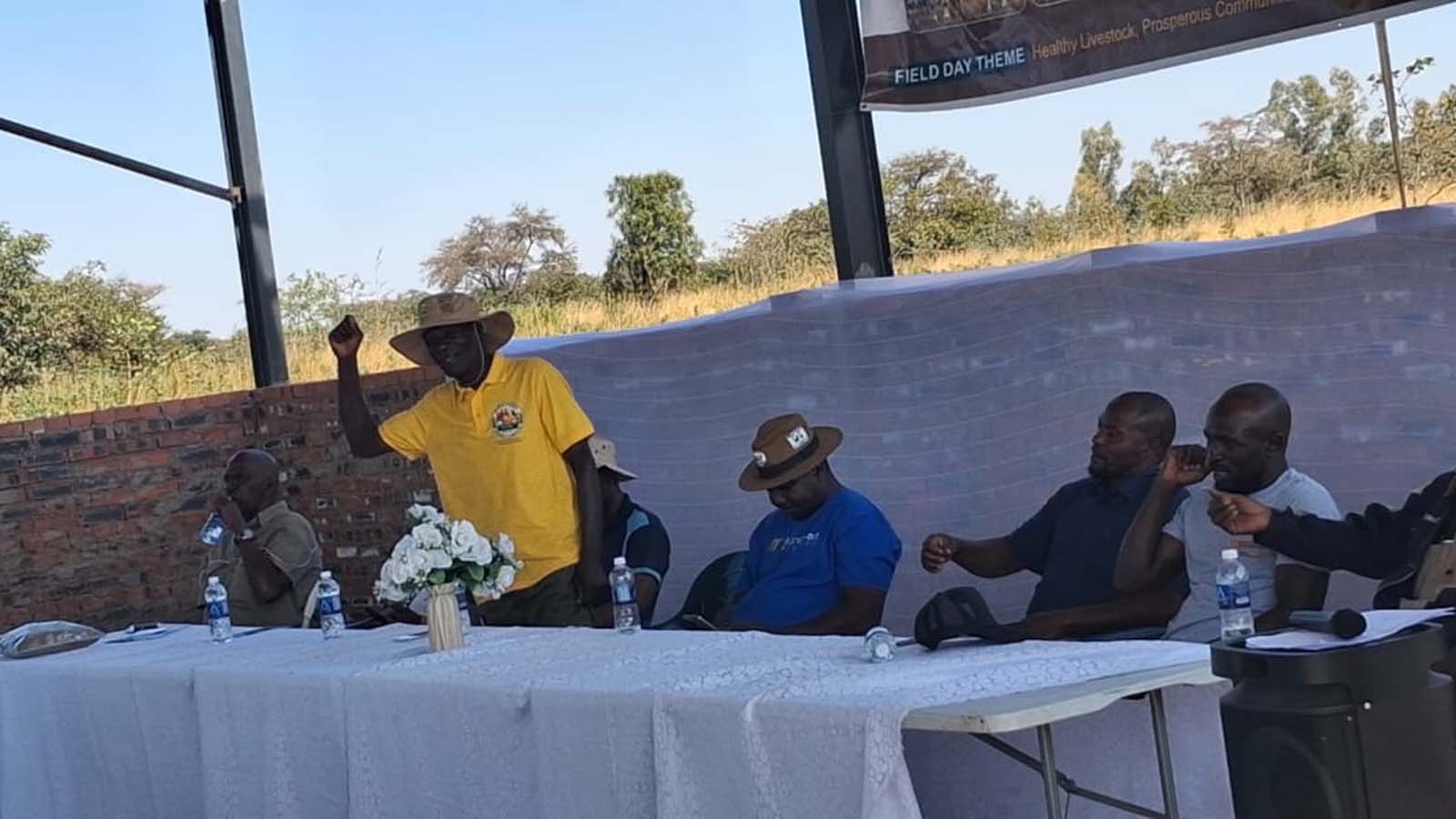
Ivan Zhakata
Herald Correspondent
MR SHEUNESU MAKURA, a young farmer from Seke District, is turning his A1 farm into a thriving livestock enterprise, with agricultural experts describing his success story as a clear demonstration of the gains of Zimbabwe’s land reform programme and the push towards Vision 2030.
This emerged during the Agritex Seke District Livestock Field Day held at Greenlands Farm in Ward 14, Beatrice, where hundreds of farmers, extension officers, local leaders and villagers gathered to witness the growth of the diversified farming project.
Held under the theme “Healthy Livestock, Prosperous Communities, Innovate, Adapt, Thrive,” the field day focused on modern livestock production systems, sustainable farming practices and rural economic empowerment.
Among the guests were Norman Marimira, representing the councillor, Hardson Mutsvangwa District Agricultural Business Advisory Officer (DABAO), Apollonia Zindonga, livestock specialist, Tapiwa Muzambi, agricultural business adviser, Zura Tecla, agricultural business officer, Ward 14, war veterans representative Cde Mbundira, Zanu PF district chair Cde Laina Mandere and Ladies chair Sophia Ziwachi.
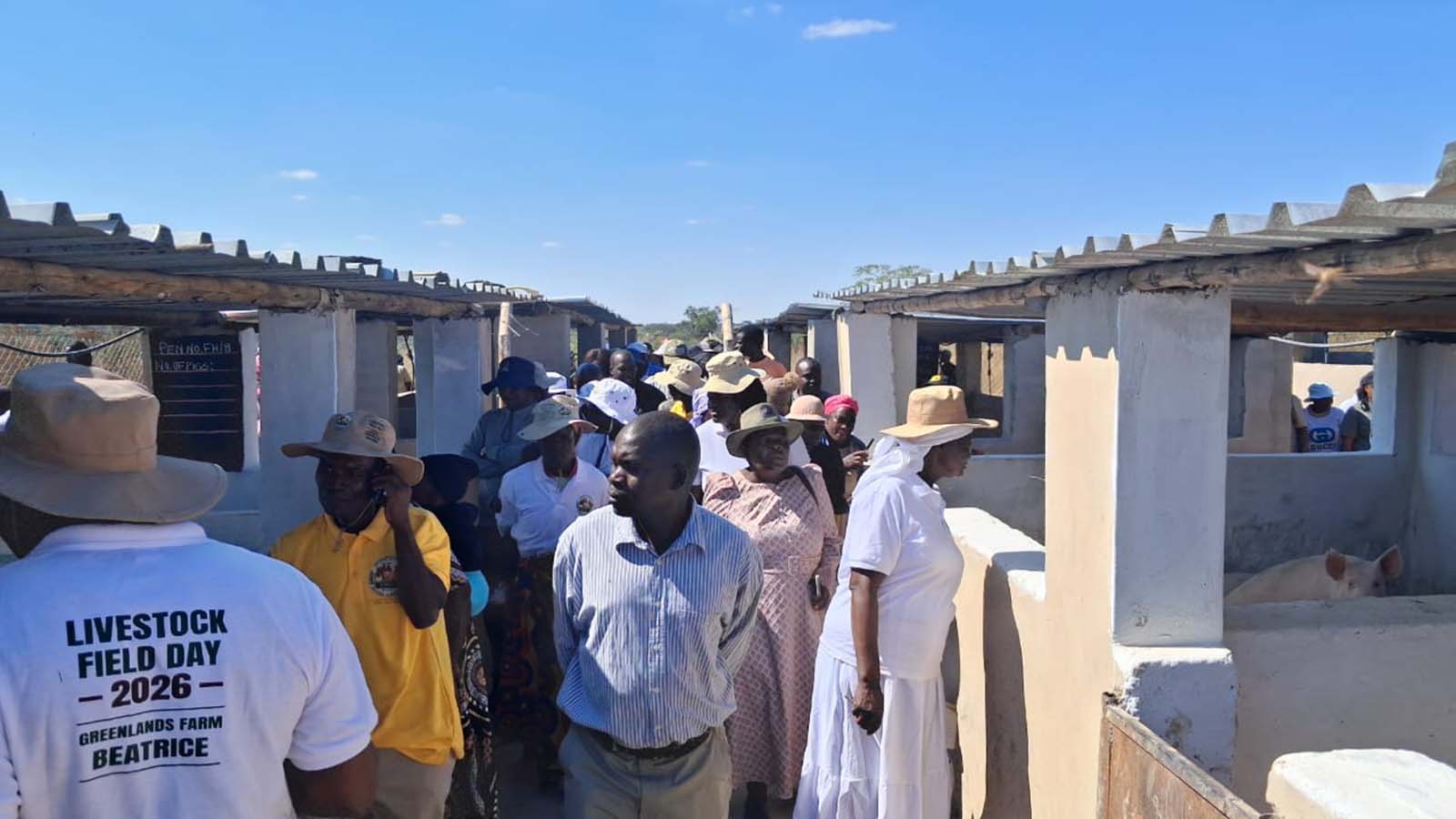
The guests toured the expanding farm under the guidance of Mr Makura and Pig Industry Board livestock specialist Mr Manisi Kapinga.
The tour showcased piggery, poultry, cattle and fishery projects which have expanded significantly in recent years.
Mr Makura said the piggery project started with only four sows but had now grown into a herd of 439 pigs.
“We started with four sows, and through hard work and reinvestment, the project has grown significantly,” he said.
“We currently have 11 sows, and our target is to increase them to 30 by the end of the year. On piggery business, we started with four pigs (sows/ female pigs for breeding, then increased our number to 11 sows after a year, and now we have 30 sows.
“From the farm, the highest number of piglets we get from a sow is eighteen and the lowest is 12 piglets.
“With our sow rate of 30 female pigs for breeding stock, we are expecting about 450 piglets per batch and our pigs give birth two and a half to three times a year.”
Mr Makura said their pigs will be ready for market after five and a half to six months, and the biggest buyer for the pigs is Unifresh Abattoir.”
The piggery has specialised units including weaner and fattening sections, nursery units and maternity sections equipped with solar-powered lighting, heating systems and water facilities.
Farmers also toured a fishery project producing more than 300 kilogrammes of fish per month, with chicken waste being used as supplementary feed to reduce production costs.
The poultry section houses more than 1 000 road-runner chickens supplying both meat and eggs, while the cattle section has well-constructed kraals capable of accommodating up to 500 cattle.
A feed grinder producing stock feed for pigs, fish, cattle and poultry was also showcased during the event.
Speaking at the field day, Mr Mutsvangwa urged farmers to embrace pasture production and modern livestock management systems.
“It is important to have pastures when farming livestock because it helps control what the animals feed on while saving money and producing high-quality meat,” he said.
Mr Mutsvangwa said livestock farming remained a key economic activity capable of improving household incomes and rural livelihoods.
“Chipfuyo imari (livestock is money),” he said.
He said the traditional practice of allowing livestock to roam freely in search of grazing was no longer suitable for modern farming systems.
“The days of simply releasing cattle to roam around looking for grazing are gone. Modern livestock farming requires proper feeding systems and planned pasture production,” said Mr Mutsvangwa.
He also encouraged smallholder farmers to venture into piggery projects and said they required relatively low capital investment while generating quick returns.
“Let us support the President’s Vision 2030 by venturing into farming and fully utilising the land we were given,” he said.
Zadza Matura Extension Officer Mr Dumezweni Sibanda introduced farmers to Katambora pasture seed, a drought-resistant grass variety used to supplement cattle feed.
“Katambora pasture can grow up to 1,3 metres high, requires minimal irrigation and can also be grown commercially for resale,” he said.
As part of supporting the project, Zadza Matura donated one hectare worth of Katambora pasture seed and half a hectare worth of yellow maize seed to Mr Makura.
Corporate sponsors also supported the field day, with Agrifoods donating five bags of pig feed while Agritex presented two goats to the farmer.
Villagers and community leaders praised Mr Makura for productively utilising his A1 farm allocation, saying the project was creating employment opportunities and contributing to local development.
“This is what land reform was meant to achieve. Young people must emulate what Mr Makura is doing here,” said one village elder.
The field day also had farmers exchanging ideas and interacting with agricultural experts on ways of improving livestock production and strengthening food security.
Ivan Zhakata
Herald Correspondent
Mr Sheunesu Makura, a young farmer from Seke District, is turning his A1 farm into a thriving livestock enterprise, with agricultural experts describing his success story as a clear demonstration of the gains of Zimbabwe’s land reform programme and the push towards Vision 2030.
This emerged during the Agritex Seke District Livestock Field Day held at Greenlands Farm in Ward 14, Beatrice, where hundreds of farmers, extension officers, local leaders and villagers gathered to witness the growth of the diversified farming project.
Held under the theme “Healthy Livestock, Prosperous Communities, Innovate, Adapt, Thrive,” the field day focused on modern livestock production systems, sustainable farming practices and rural economic empowerment.
Among the guests were Norman Marimira, representing the councillor, Hardson Mutsvangwa District Agricultural Business Advisory Officer (DABAO), Apollonia Zindonga, livestock specialist, Tapiwa Muzambi, agricultural business adviser, Zura Tecla, agricultural business officer, Ward 14, war veterans representative Cde Mbundira, Zanu PF district chair Cde Laina Mandere and Ladies chair Sophia Ziwachi.
The guests toured the expanding farm under the guidance of Mr Makura and Pig Industry Board livestock specialist Mr Manisi Kapinga.
The tour showcased piggery, poultry, cattle and fishery projects which have expanded significantly in recent years.
Mr Makura said the piggery project started with only four sows but had now grown into a herd of 439 pigs.
“We started with four sows, and through hard work and reinvestment, the project has grown significantly,” he said.
“We currently have 11 sows, and our target is to increase them to 30 by the end of the year. On piggery business, we started with four pigs (sows/ female pigs for breeding, then increased our number to 11 sows after a year, and now we have 30 sows.
“From the farm, the highest number of piglets we get from a sow is eighteen and the lowest is 12 piglets.
“With our sow rate of 30 female pigs for breeding stock, we are expecting about 450 piglets per batch and our pigs give birth two and a half to three times a year.”
Mr Makura said their pigs will be ready for market after five and a half to six months, and the biggest buyer for the pigs is Unifresh Abattoir.”
The piggery has specialised units including weaner and fattening sections, nursery units and maternity sections equipped with solar-powered lighting, heating systems and water facilities.
Farmers also toured a fishery project producing more than 300 kilogrammes of fish per month, with chicken waste being used as supplementary feed to reduce production costs.
The poultry section houses more than 1 000 road-runner chickens supplying both meat and eggs, while the cattle section has well-constructed kraals capable of accommodating up to 500 cattle.
A feed grinder producing stock feed for pigs, fish, cattle and poultry was also showcased during the event.
Speaking at the field day, Mr Mutsvangwa urged farmers to embrace pasture production and modern livestock management systems.
“It is important to have pastures when farming livestock because it helps control what the animals feed on while saving money and producing high-quality meat,” he said.
Mr Mutsvangwa said livestock farming remained a key economic activity capable of improving household incomes and rural livelihoods.
“Chipfuyo imari (livestock is money),” he said.
He said the traditional practice of allowing livestock to roam freely in search of grazing was no longer suitable for modern farming systems.
“The days of simply releasing cattle to roam around looking for grazing are gone. Modern livestock farming requires proper feeding systems and planned pasture production,” said Mr Mutsvangwa.
He also encouraged smallholder farmers to venture into piggery projects and said they required relatively low capital investment while generating quick returns.
“Let us support the President’s Vision 2030 by venturing into farming and fully utilising the land we were given,” he said.
Zadza Matura Extension Officer Mr Dumezweni Sibanda introduced farmers to Katambora pasture seed, a drought-resistant grass variety used to supplement cattle feed.
“Katambora pasture can grow up to 1,3 metres high, requires minimal irrigation and can also be grown commercially for resale,” he said.
As part of supporting the project, Zadza Matura donated one hectare worth of Katambora pasture seed and half a hectare worth of yellow maize seed to Mr Makura.
Corporate sponsors also supported the field day, with Agrifoods donating five bags of pig feed while Agritex presented two goats to the farmer.
Villagers and community leaders praised Mr Makura for productively utilising his A1 farm allocation, saying the project was creating employment opportunities and contributing to local development.
“This is what land reform was meant to achieve. Young people must emulate what Mr Makura is doing here,” said one village elder.
The field day also had farmers exchanging ideas and interacting with agricultural experts on ways of improving livestock production and strengthening food security.