Ellina Mhlanga
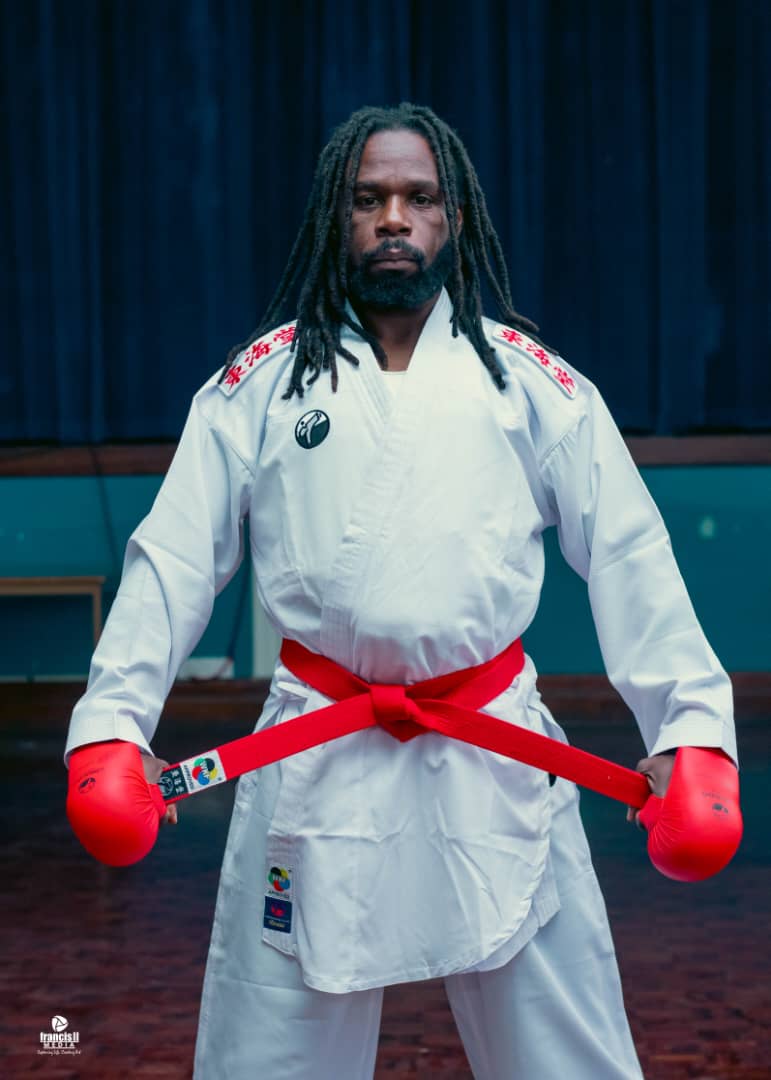
ZIMBABWE’S next generation of karate talent is set to take on some of Africa’s best when they compete at the African Karate Championships in Algiers, Algeria, from September 6 to 13.
The tournament will feature competitors from across the continent in the cadet, junior, Under-21 and senior categories. For Zimbabwe, however, the focus extends beyond immediate results.
The Zimbabwe National Karate Federation (ZNKF) is using the championships as an opportunity to expose promising young athletes to high-level international competition and prepare them for future success. The squad comprises Nicole Kadzombe, Clarice Runodada, Trinity Kotsi, Bradley Kadzombe and Raylen Mohamed, all of whom will be making important strides in their development by competing against some of Africa’s strongest karatekas.
ZNKF president Joe Rugwete said the federation’s primary goal is to build for the future while remaining competitive.
“Our expectations are measured but ambitious. We are fielding primarily junior competitors. This is a learning expedition as much as a competitive campaign. I expect strong performances in kata, where our technical work has been rigorous. In kumite, we anticipate competitive results, but we are realistic: junior karate at continental level is highly technical and physically demanding.
“Our core objective is medal acquisition, but our strategic objective is experience, returning athletes who understand the calibre of African competition and who are equipped mentally and technically for the senior pipeline. We are not expecting to dominate. We are expecting to compete with dignity, learn considerably, and return home with a clearer roadmap for the next Olympiad cycle,” said Rugwete.
Runodada will compete in the female cadets’ Under-52kg division, while Mohamed and Bradley Kadzombe will contest the junior boys’ categories in the Under-61kg and Over-76kg classes respectively.
Nicole Kadzombe will compete in the women’s Under-21 Under-68kg category, while Kotsi will represent Zimbabwe in the men’s Under-21 Under-75kg division.
Zimbabwe’s participation has been made possible through assistance from the Zimbabwe Olympic Committee (ZOC), which has funded international air travel for the athletes and coaching staff.
Rugwete said the support has been vital.
“The Zimbabwe Olympic Committee’s Youth Athlete Development Grant has been instrumental in our participation.
“The arrangement is straightforward: ZOC has underwritten the international air tickets for our five junior athletes and coaching staff as part of their mandate to support emerging competitors at continental competitions. This is a direct Olympic solidarity measure,” Rugwete said.
The federation will still cover accommodation, meals, accreditation fees and local preparations, but Rugwete said ZOC’s intervention ensured the team’s participation.
“ZOC sees this investment as critical grassroots development within the Olympic movement framework. The support is fundamental. Without it, frankly, we would not be fielding this contingent.
Zimbabwe’s sport sponsorship environment remains constrained, and international airfares represent a significant barrier to participation at this level.
“ZOC’s backing allows us to expose young talent to continental-level competition without compromising our domestic programme development. It’s the difference between sending a team and remaining sidelined. This is how you build depth in Olympic sports,” Rugwete added. This year’s championships will also feature the newly introduced Under-21 category, which Rugwete believes provides an important bridge between junior and senior competition.
“The introduction of Under-21 is a strategic evolution by UFAK and the World Karate Federation. It addresses a gap in the competitive pathway. We have athletes who age out of the junior category (U21 threshold is typically 16–21 years) but may not yet be ready for the full senior competitive environment.
“The Under-21 category provides a critical intermediate arena, one that’s psychologically and physically calibrated for that developmental stage. For us, it’s an opportunity to test our emerging talent against continental peers in a structured, age-appropriate setting before they progress to senior competition. It’s sound athlete development architecture,” said Rugwete.
National coach Winston Nyanhete believes the experience gained in Algeria will benefit the athletes for years to come.
“One of the biggest takeaways from this is most of our athletes usually attend African (competition) at All-Africa Games and they don’t have a lot of prior experiences to that level of competition.
So, getting them exposed at a younger age like this gives us an advantage in that we get to see how they perform against people their age, people who they are going to compete against in this edition and editions to come,” said Nyanhete. The team departs for Algeria on September 4 carrying not only Zimbabwe’s hopes, but also the belief that the experience gained today could help shape the country’s karate success stories of tomorrow.