Online Reporter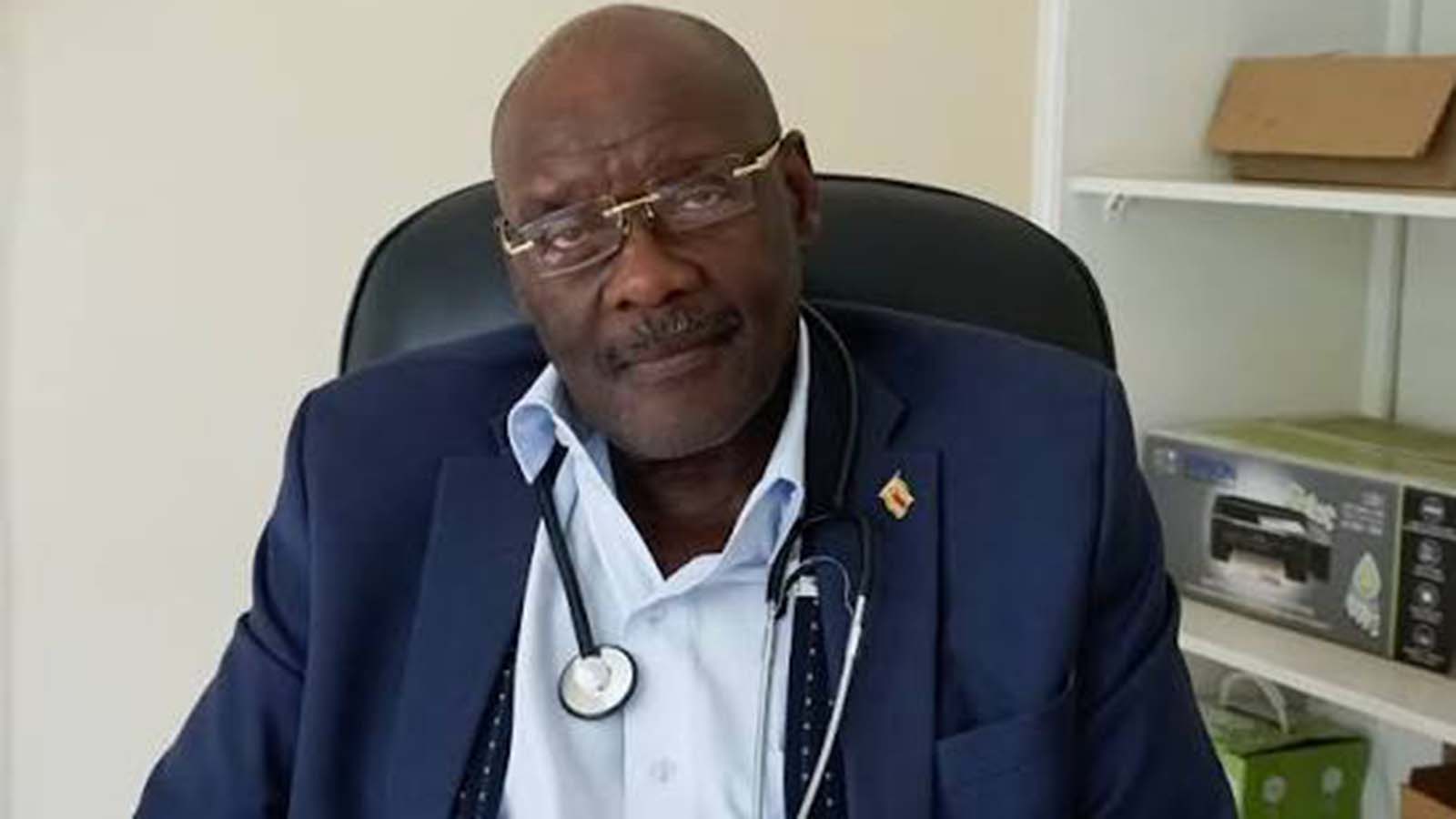
Ivan Zhakata
Herald Correspondent
YOUNG researchers in Southern Africa have been challenged to produce evidence that informs policy and drives action to address the region’s health and education challenges.
Speaking at the Third Southern African Regional Students and Youth Conference (SARSYC VI) Research Indaba held at the Namibia Institute of Public Administration and Management (NIPAM), Senator Dr David Parirenyatwa said research should not end with academic presentations but must influence policy, legislation and development programmes.
“If I have learnt anything in regional and global health leadership, it is that the greatest advances in public health have always begun with evidence,” he said.
Dr Parirenyatwa said evidence has transformed the global response to HIV by showing how the virus spreads, identifying effective prevention strategies, proving that treatment saves lives and exposing the devastating effects of stigma.
He said Southern Africa continued to face interconnected challenges, including HIV-related stigma, mental health disorders, substance abuse, online gambling, digital violence, educational inequalities and the welfare of adolescent girls and young women, which required coordinated regional responses.
“Research achieves its highest purpose when it influences decisions, improves programmes and changes lives,” said Dr Parirenyatwa, urging young researchers to engage policymakers and communities to ensure their findings are translated into practical solutions.
He said governments, legislators, development partners and civil society should embrace evidence-based decision-making to achieve sustainable development.
During the event, Dr Parirenyatwa officially launched the SARSYC V Research Volume, Second Edition: A SADC Regional Perspective by Young People on Emerging Issues in Health and Education, saying the publication would help inform policies and contribute to improved health and education outcomes across the region.
SARSYC VI Youth Steering Committee chairperson Ms Fadzai Nyamarebvu said the conference has brought together young people from across the Southern African Development Community to generate solutions to common challenges facing the region.
She said the conference, running under the theme “Align for Action: Sustaining Progress in Youth Health and Education,” sought to strengthen collaboration among governments, researchers, development partners and young people.
“Our programme has been deliberately designed to move from evidence generation to alliance-building and action. We want young people to leave this conference with commitment, not just inspiration,” she said.
SAYWHAT executive director and SARSYC convener Mr Jimmy Wilford said the Research Indaba has grown significantly since its inaugural edition in Malawi in 2022.
He said the first edition received 21 research abstracts, while this year’s conference attracted 274 submissions from across Southern Africa and beyond.
“This growth from 21 abstracts is proof that young people want to contribute and youth-led solutions are becoming an important tool for social change,” he said.
Mr Wilford said only 16 presentations were selected because of programme limitations despite the high standard of submissions.
He called on governments, universities, development partners and the private sector to invest more in youth-led research, mentorship and publication opportunities to unlock the region’s research potential.
The Research Indaba is one of the key events under SARSYC VI, which has brought together students, researchers, policymakers and development partners from across Southern Africa to promote evidence-based solutions to youth health and education challenges.