Walter Nyamukondiwa Mashonaland West Bureau Chief
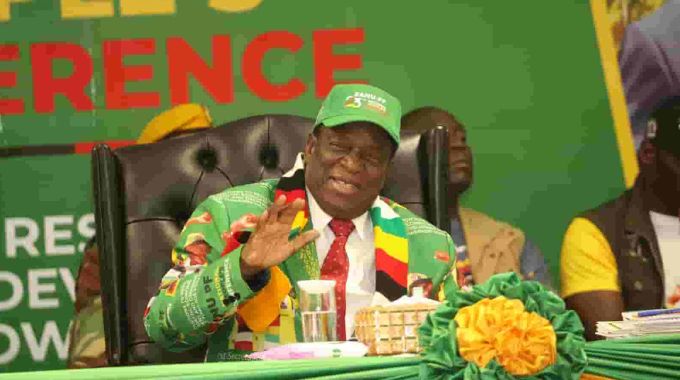
THE ruling party, Zanu-PF, has resolved to amend its constitution to align the party’s electoral cycle with the national Constitution, postponing its elective congress from 2027 to 2029 and endorsing President Mnangagwa to remain party leader until 2030.
The resolutions, adopted at the party’s 23rd Annual National People’s Conference in Chinhoyi yesterday, also confirmed President Mnangagwa as Zanu-PF’s presidential candidate for the next elections, with provincial chairpersons affirming the resolutions reflected the will of grassroots supporters.
Secretary for Legal Affairs Cde Ziyambi Ziyambi read the resolutions, which were adopted by the conference after provincial leaders outlined consultations conducted through party structures.
“Conference resolved that we change our electoral cycle. We recall that we were due to have a Congress next year but, because of the constitutional amendment that happened, we agreed that Congress will be in 2029,” said Cde Ziyambi.
“We also agreed that we have to amend our party constitution to accommodate these changes that are taking place.”
The conference, he said, had further resolved that President Mnangagwa would remain party President at the 2029 Congress and be the party’s presidential candidate in the next elections.
The resolutions place the proposed constitutional changes and President Mnangagwa’s continued leadership at the centre of the party’s political programme, while directing Government to implement a raft of resolutions covering socio-economic development.
The party’s Women League and Youth League also prioritised the three resolutions, with provincial chairpersons taking turns to affirm that the decisions had emerged from consultations at cell, branch, district and provincial levels.
Mashonaland West provincial chairperson Cde Mary Mliswa-Chikoka said her province had followed the party’s constitutional procedures, with meetings held from the grassroots to provincial level.
Other provincial leaders similarly indicated that the resolutions reflected the views of ordinary party members, who cited developments and milestones under the Second Republic as justification for their support for President Mnangagwa’s continued leadership.
Harare provincial chairperson Cde Godwills Masimirembwa said Zimbabwe had moved from international isolation to broader diplomatic engagement under President Mnangagwa.
“Before 2017, we were crying about sanctions as a nation, without friends and isolated. Now we have friends all over and more are coming on board,” he said.
Mashonaland Central provincial chairperson Cde Kazembe Kazembe said the province had consulted its grassroots structures, who pointed to economic stabilisation, improved access to passports and greater order within the party as critical gains under the Second Republic.
Masvingo provincial chairperson Senator Robson Mavenyengwa said consultations had progressed from cell and branch meetings to district and provincial inter-district meetings before the resolutions were adopted.
Matabeleland South provincial chairperson Cde Mangaliso Ndlovu said grassroots members had been unequivocal in their desire for President Mnangagwa to continue leading the party.
Cde Daniel Garwe, who is the chairperson of Mashonaland East province, highlighted improved water supplies in Chinhoyi, where about 3 000 households had reportedly regained access to water after years of challenges.
Party national chairperson Cde Oppah Muchinguri-Kashiri guided the process of moving motions and adopting the resolutions.
The conference also adopted the implementation report on resolutions from the 22nd Annual National People’s Conference held in Manicaland province, alongside the resolutions of the 23rd conference and an addendum to the resolutions presented earlier in the day.