

 Online Reporter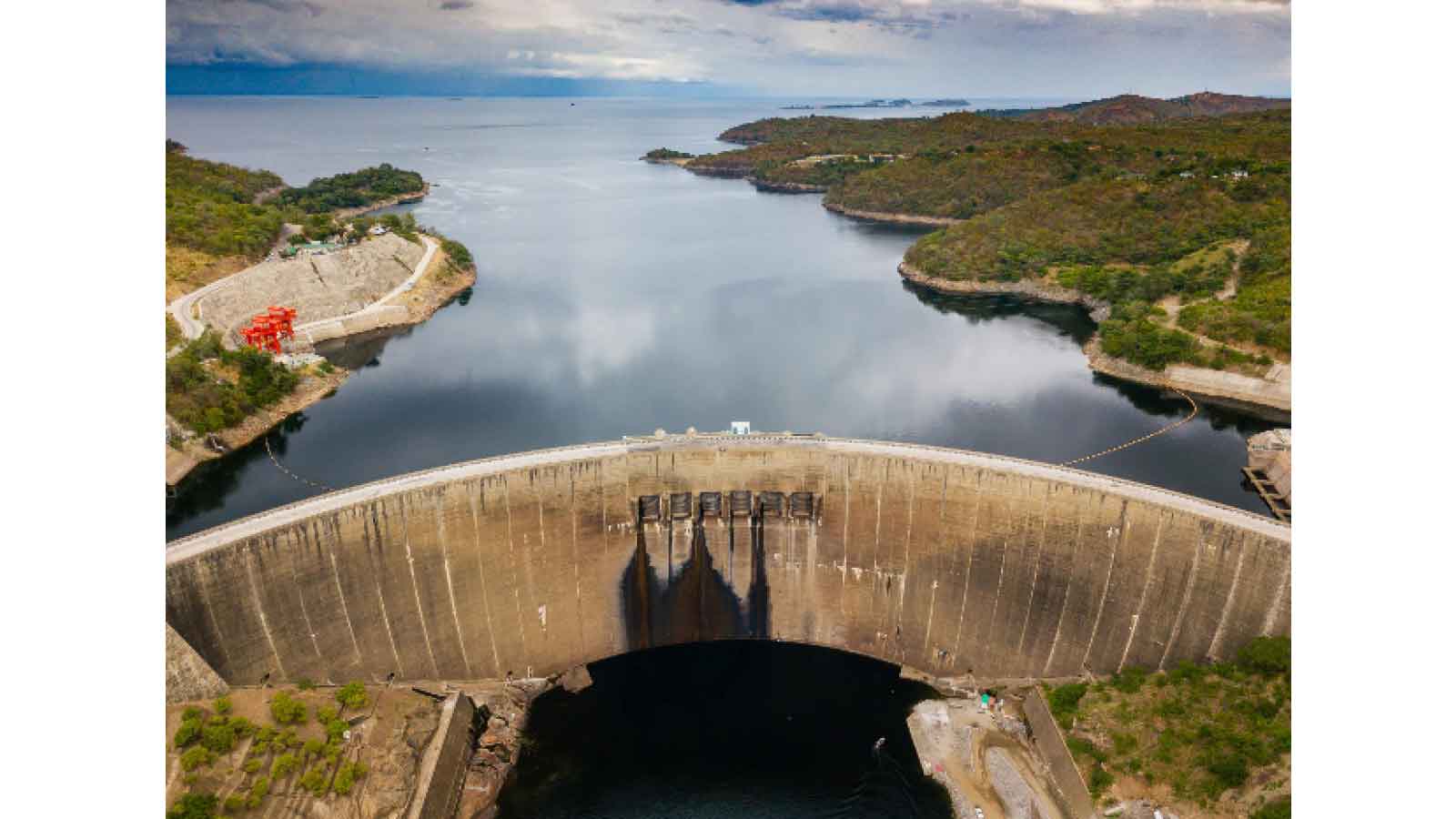
Martin Kadzere
Power utility ZESA Holdings says it is implementing measures to mitigate potential power supply disruptions from the impact of the projected “Super” El Niño on the Kariba hydroelectric power station, including strict water management and increased generation at Hwange Thermal Power Station.
Responding to heightened climate concerns during the Zimbabwe Industrialisation Conference (ZICE 2026) last week, ZESA interim chief executive officer Engineer Cletus Nyachowe said the utility was carefully co-managing water usage at Lake Kariba with Zambia’s power utility, ZESCO, to build an adequate buffer for the upcoming year.
Kariba Dam is managed jointly by the Zambezi River Authority on behalf of Zambia and Zimbabwe power utilities, focusing on safe water storage, structural maintenance and regional power generation
El Niño is a naturally occurring climate phenomenon driven by the warming of surface ocean waters in the central and eastern tropical Pacific Ocean.
In southern Africa, El Niño weather cycles usually trigger severe droughts, higher temperatures, and below-normal rainfall across the Zambezi River basin, severely reducing water inflows into major reservoirs.
“We are carefully managing the water consumption this year between us and ZESCO of Zambia and we will close the year at about 24 percent, which is quite a strong storage for us to go into next year,” said Eng Nyachowe.
He noted that the utility intentionally avoided operating the hydro plant at full capacity this year to preserve dam levels in anticipation of below-normal rainfall.
To offset reduced hydro generation at Kariba, ZESA has prioritised intensified maintenance work across units one to six at the Hwange Thermal Power Station.
The maintenance drive has nearly doubled the facility’s recent power contribution to the national grid.
“We are also upping our maintenance at Hwange 1 to 6. We are improving the output,” he said.
“Currently, we are actually doing close to 500 megawatts. Typically, it would be around 250 MW.”
Beyond thermal generation, ZESA is aggressively pursuing solar energy initiatives to provide medium-term relief as severe weather patterns threaten regional energy security.
“We will be aggressive on the solar projects. They may be a bit late, but they will come in to ameliorate the situation,” said Eng Nyachowe.
Because Kariba relies almost entirely on seasonal rainfall in the upper Zambezi catchment, previous dry weather and El Niño-induced droughts hit electricity generation hard.
In recent years, severe El Niño cycles dropped Lake Kariba’s water levels to near-record lows, forcing both Zimbabwe and Zambia to implement rolling daily load-shedding of up to 18 hours.
Providing an update on planned projects, Eng Nyachowe said ZESA is finalising tender documentation for World Bank-backed solar projects following the completion of feasibility studies.
Outside the World Bank framework, the utility is developing independent solar projects targeting a total capacity of about 1 500 MW.
The utility has secured 94 MW under its rooftop solar initiative and plans to scale up the programme rapidly—transitioning from traditional net-metering to directly purchasing surplus power from domestic and commercial producers.
According to Eng Nyachowe, the Zambezi River Authority is actively engaging prospective global developers and financiers to test investor appetite for the 2400 MW hydro-undertaking.
To further strengthen the national grid, ZESA has also completed preliminary feasibility studies for Units 9 and 10 at the Hwange Thermal Power Station, a planned expansion designed to add 600 megawatts of capacity using high-efficiency, clean coal technologies.
Eng Nyachowe said a joint delegation from ZESA and the Ministry of Energy and Power Development recently returned from a study mission to Kenya’s Geothermal Development Company (GDC).
ZESA aims to assess and exploit up to 33 potential geothermal sites identified across Zimbabwe.



