Online Reporter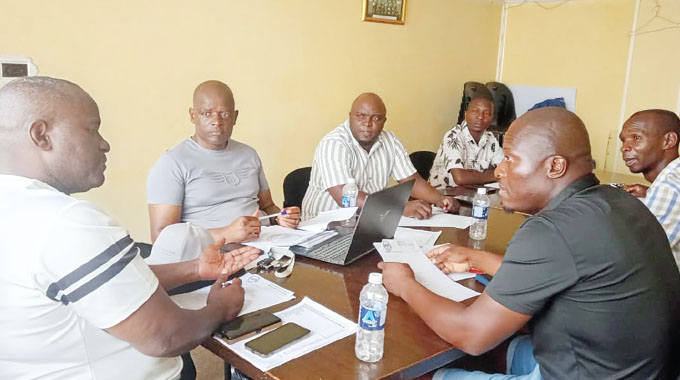
Lovemore Dube, Zimpapers Sports Hub
THE Zifa Southern Region board met on Saturday with one thing in mind, to finally put names, duties and deadlines to a league that has spent too many seasons drifting. The meeting, held in Bulawayo, was the first chaired by Chris Mtungwazi since his election in early December and it set the tone for how the region plans to run its football in 2026.
Mtungwazi, assisted by his deputy Tafadzwa Mutowa, a former player with deep roots in southern region football, presided over the allocation of portfolios that will shape everything from money to matchdays.
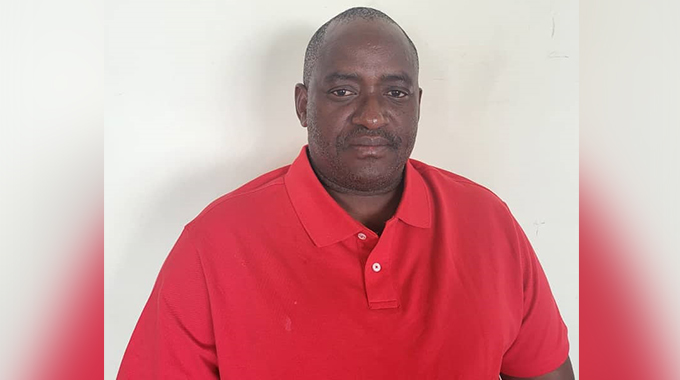
Lovemore Kuvheya was handed finance, Tizirayi Luphahla administration, Prince Nyoni marketing and Tatenda “Jas” Ncube competitions, roles that have often overlapped or gone unattended in past seasons.
“The meeting formally confirmed the board’s composition and portfolio allocations. Following deliberations, the Terms of Reference for each portfolio, including the roles of the chairman and vice chairman, were spelt out and unanimously adopted,” said Luphahla, who also speaks for the region.
The emphasis, he said, was clarity and accountability, an implicit acknowledgement of the confusion that has hurt the league before. “The confirmation of roles gives clarity going forward and makes accountability visible for operational effectiveness,” Luphahla told Zimpapers Sports Hub.
That urgency is driven by shrinking top flight representation. The Southern Region has only three teams in the Zifa Premiership, a sharp drop from previous seasons when Matabeleland North supplied Hwange and Tsholotsho and Bulawayo consistently fielded Bulawayo Chiefs, Chicken Inn and Highlanders.
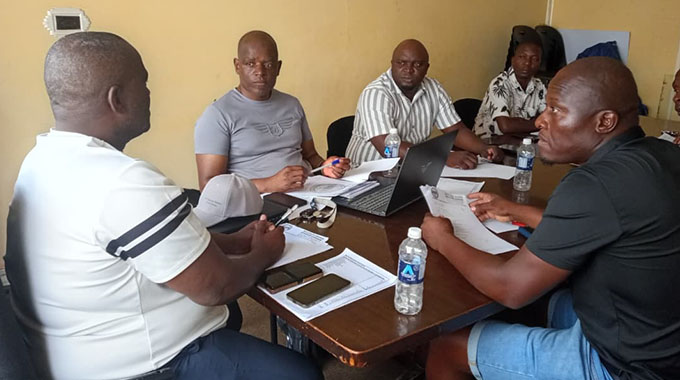
Luphahla said the board wants to reverse that slide by lifting standards at regional level, starting with a league structure that makes promotion realistic again. Last season, won by Bulawayo Chiefs, offered a glimpse of what is possible when competition tightens, with Hwange and Nkayi pushing the title race deep into the campaign.
“We are eager to build on the high level of competition displayed last season, which was widely seen as one of the most competitive in recent years,” Luphahla said. “That progress should inspire confidence and pride among stakeholders in the league’s growth and potential.”
The coming season will feature fresh faces. Khami United and Njube Spurs have been promoted from the Zifa Bulawayo Province Division Two, while Mosi Rovers and Makwika will represent Matabeleland North. Their arrival swells a field that includes Bosso 90, Bulawayo City, Bulawayo Warriors, Black Rock, Casmyn, Hwange FC, Imbizo, Jordan, Mainline, Megawatt, Nkayi, Talen Vision, Victoria Falls and Zebra Revolution.
Financial commitments have been set early. Returning clubs will pay a US$2 500 affiliation fee, while new entrants are required to raise US$3 500, figures that often decide who survives the pre-season and who fades before a ball is kicked.
Administratively, the region will align itself with the national transfer window, which opened on January 1 and closes on March 31. That decision ends years of staggered registrations that left some teams short handed when the season began.
Off the pitch, workshops for safety and security officers and club administrators are scheduled for the last two weekends of February, a response to repeated concerns around matchday organisation and crowd control.
Key dates are already locked in. The annual general meeting will be held on March 13, fixtures will be released two weeks later and the season is set to start on March 28. A mid-season review meeting will be on July 4, a checkpoint the board hopes will prevent threats of collapse that have plagued previous campaigns.
Sponsorship remains the biggest challenge. Luphahla said the board has begun approaching potential partners in a market where regional leagues often struggle to attract sponsors.
“The Southern Region League is actively engaging potential sponsors to secure a title sponsor and league wide partnerships,” he said. “These efforts aim to enhance the league’s branding, increase visibility and support sustainable growth through improved marketing, operations and stakeholder engagement.”
To support that push, the region plans to establish a media and communications desk responsible for social media and digital engagement, with clubs expected to plug into a coordinated system designed to give southern football a louder and more consistent voice.