admin
admin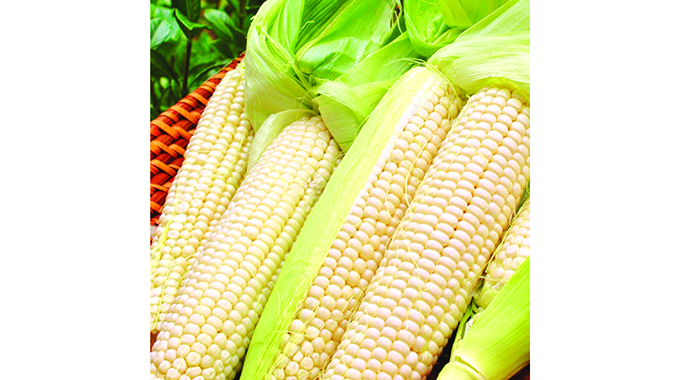
Business Reporter
Zimbabwe has classified most food products as sensitive and will only be subjected to tariff reduction under the Africa Free Continental Trade Area (AfFTA) after 10 years, according to the Competition and Tariff Commission.
AfCFTA is the African continent’s most ambitious integration initiative, embedded in the Agenda 2063 of the African Union (AU) and its main objective is to create a single continental market with free movement of people and investments.
The trade area, which opens up a huge market of about 1,3 billion people, came into force in January.
The majority of members have since submitted schedules of concessions and commitments but Zimbabwe is still in the process of finalising the market access offer.
A market access tariff offer consists of lists of products the country will have to remove tariffs and duties on in the implementation of the continental free trade pact.
Zimbabwe has made a commitment to gradually eliminate duties on 90 percent of its products in the first five years.
A further seven percent of its products would be reduced after 10 years and this basket has been classified as sensitive basket.
The remaining three percent will not be subjected to any tariff reduction.
The tariff reduction will take a linear approach. For instance, a tariff of 10 percent may be reduced by 2 percent over two years.
During consultations on the draft offer, the business was advised that products such as wheat flour (bulk or small packaging), maize corn, and soya bean were classified in the sensitive basket because the country is expanding production of the crop under contract schemes, the Competition and Tariff Commission said in its Q1 newsletter.
Oil of animal products, and margarine, processed foods such as bread, waivers, buns and rolls, corn snacks were also classified as sensitive.
Sugar, due to price distortions, alcoholic and non-alcoholic beverages were also classified as sensitive.
The consultations, which took place in the country’s major cities largely focused on the methodology used to compile the market access offer and factors considered included revenue contribution, sectors development and priority sectors.
The bread value chain players raised concern with over the importation of bread from South Africa. The paper industry also raised a threat of dumping of books from South Africa.
“The Commission concluded by tasking industry players to submit their raw materials and finished products for further clarification on implication of the AfCFTA market access offer to their operations,” the CTC said.
It is expected the free trade area will increase intra-Africa trade from existing levels of about 13 to 25 percent or even more than through better harmonisation and coordination of trade liberalisation.


 Online Reporter