Online Reporter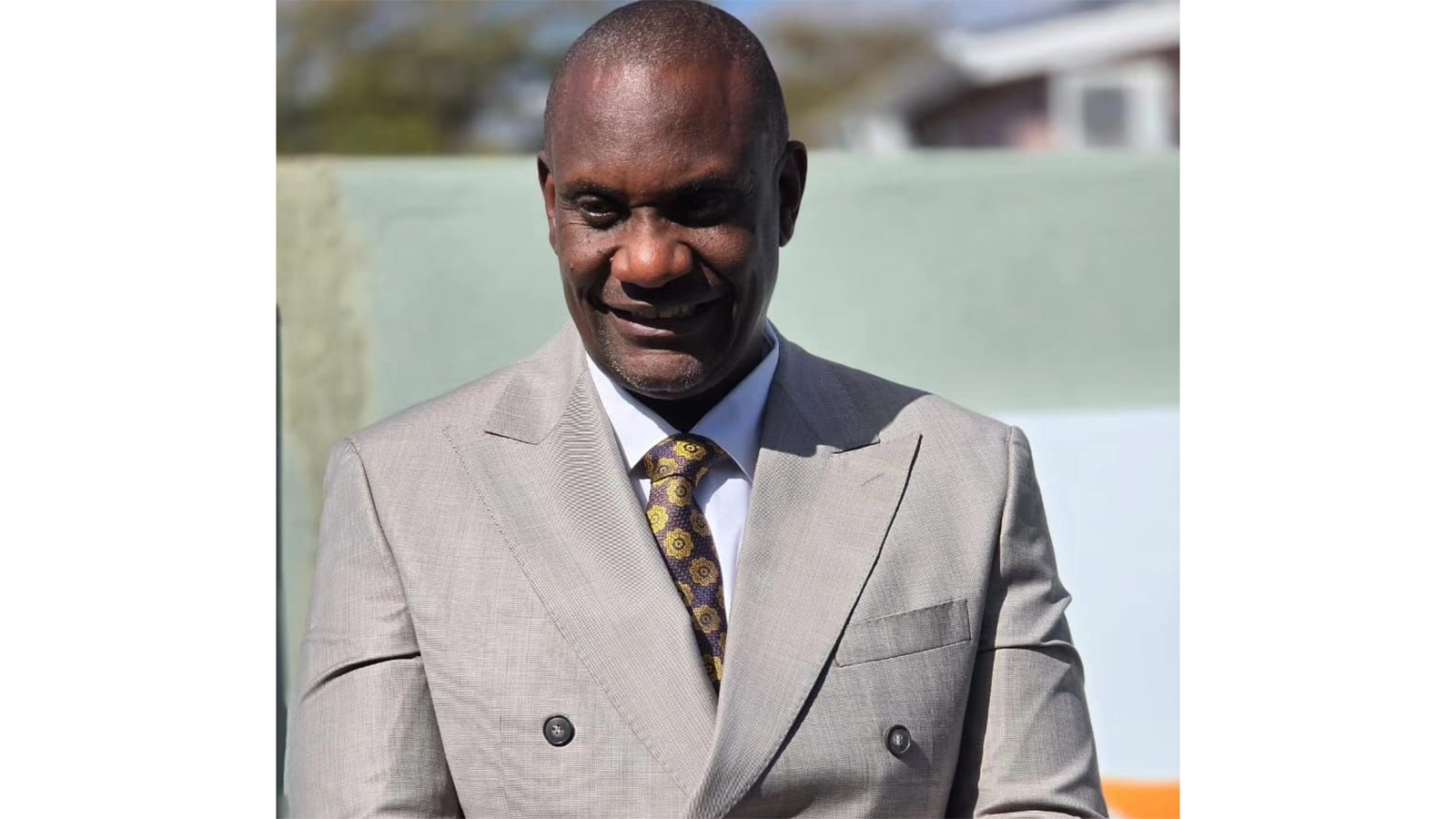
Patrick Chitumba, Zimpapers Writer
THE African Peer Review Mechanism (APRM) Mission on Economic Governance and Management Review (EGMR) has commended the Zimbabwean Government for notable progress in infrastructure development, macroeconomic stabilisation and improved fiscal discipline — key pillars in the country’s pursuit of upper-middle-income status by 2030.
APRM EGMR Mission Head, Ambassador Aly El-Hefny, made the remarks yesterday after paying a courtesy call on the Minister of State for Midlands Provincial Affairs and Devolution, Owen Ncube, at his Gweru offices. The team is finalising a draft report to be presented by President Mnangagwa to the APR Forum in Addis Ababa next year.
Ambassador El-Hefny said the Mission’s countrywide engagements, covering all 10 provinces, are designed to produce a comprehensive, evidence-based assessment of Zimbabwe’s economic governance performance.
In the Midlands, the delegation is holding meetings with the Chirumhanzu Rural District Council as part of its sub-national evaluations.
“The APRM commends the Government for its commendable efforts in infrastructure development, macroeconomic stabilisation and efforts to enhance fiscal discipline. These areas form the foundation for Zimbabwe’s aspirations of becoming an upper-middle-income economy by 2030,” said Ambassador El-Hefny.
He also underscored the importance of transparency, accountability and inclusive participation in strengthening the country’s economic governance frameworks.
Ambassador El-Hefny praised Minister Ncube’s leadership in driving the development agenda in the province, noting the impressive progress made under the devolution programme.
“This is an important exercise assessing how governance principles are applied not only at Central Government level but also at the Provincial and District levels,” he said.
He added that devolution remains central to service delivery and citizen participation, as people experience governance most directly within their communities.
Prior to arriving in the Midlands, the APRM team held engagements in Harare with civil society groups, academia, the media, youth, women’s organisations, think tanks and the private sector. These discussions, Ambassador El-Hefny said, provided valuable insights into Zimbabwe’s policy reforms and progress in key governance indicators.
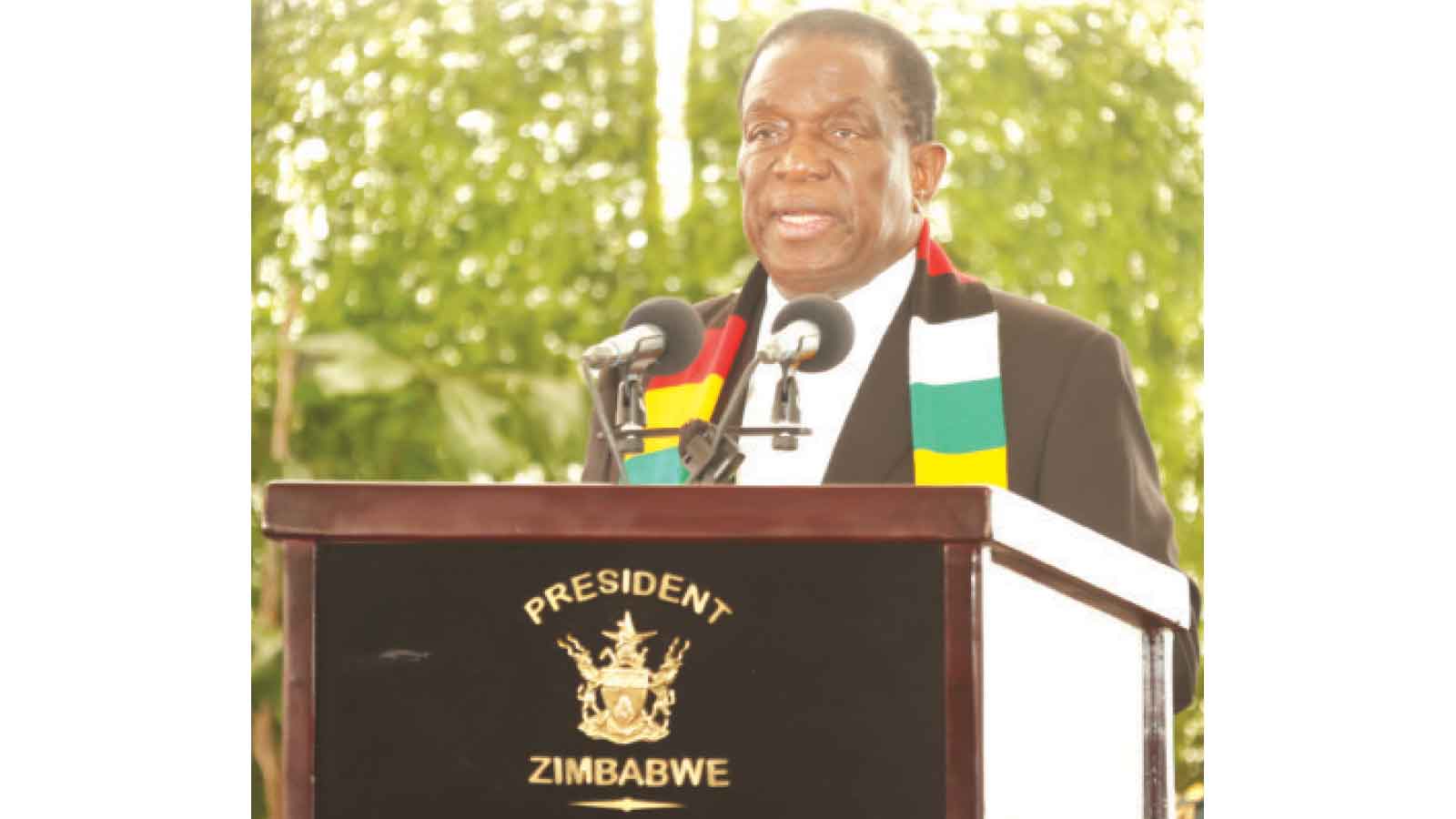
In his remarks, Minister Ncube commended President Mnangagwa for acceding to the APRM process, describing it as a demonstration of the Second Republic’s commitment to transparency, good governance, modernisation and regional integration.
“Zimbabwe is being evaluated on economic governance and management, an area where the Second Republic has implemented bold reforms since November 2017,” he said.
These reforms, Minister Ncube added, include public sector modernisation, ease-of-doing-business initiatives, investment promotion, and the rollout of the devolution and decentralisation agenda.
Minister Ncube highlighted various projects transforming the Midlands through devolution funds, the Public Sector Investment Programme and Presidential empowerment schemes. These include the Shurugwi–Mhandamabwe Road, Phoenix Dam Bridge in Mberengwa, Holy Cross and Vungu Dams, solar-powered boreholes, clinics, schools and service delivery equipment for local authorities.
He noted that the province has recorded significant progress in agricultural development, including wheat production in traditionally dry areas such as Mutange in Gokwe South and Biri in Mberengwa.
Minister Ncube further noted that the Midlands has the second-fastest-growing provincial GDP at 4.7 percent, driven by investments in mining, agriculture, manufacturing, construction and tourism. This growth is anchored on a robust Provincial Economic Development Plan targeting a seven percent annual growth rate through to 2030.
Through the Government’s Ease of Doing Business reforms, the Midlands has attracted major investments such as the Dinson Iron and Steel Plant in Manhize, Zhong Jing International Hotel in Redcliff, the Sino Zimbabwe Solar Plant, the Zhe Li Lithium Processing Plant in Zvishavane, and expanded network connectivity in previously marginalised districts like Gokwe.