Thupeyo Muleya
Beitbridge Bureau
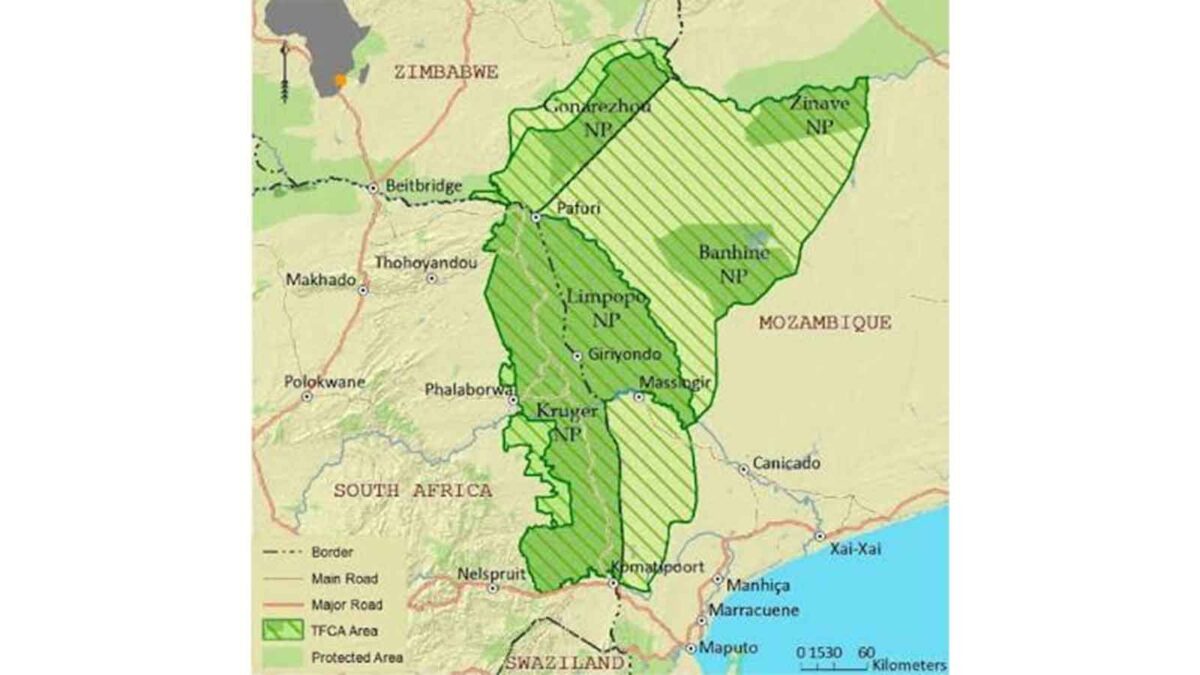
Plans to transform Zimbabwe’s South-East Lowveld into a high-value transboundary safari hub within the Great Limpopo Transfrontier Conservation Area (GLTFCA) have gained momentum, with authorities advancing a localised blueprint to drive tourism, conservation and community benefits.
In a statement on Thursday, the Chiredzi District GLTFCA Steering Committee outlined the push following a high-level update meeting held in Chiredzi last week.
“The meeting, which brought together district leadership, security sector representatives, local authorities and international conservation partners to translate national policy into actionable milestones, was chaired by Alderman Abraham Sithole in his capacity as representative of the committee’s founding 2002 stakeholder mandate and the Great Limpopo Community Development Trust (GLCDT),” read part of the statement.
“The strategic meeting follows the Government’s visionary blueprint to position Zimbabwe’s South-East Lowveld within the Greater Limpopo Transfrontier Conservation Area as a premier transboundary tourism and wildlife economy engine.”
The committee said discussions focused on aligning local development frameworks with the national target of driving a US$5 billion tourism economy, using the Lowveld as a replicable national model.
It said it had resolved to modernise the foundational 2002 Chiredzi District Strategic Framework for the GLTFCA to capture achievements including the operationalisation of the Limpopo Tourist Access Facility (LTAF), the enactment of the Parks and Wildlife Amendment Act No. 4 of 2025, and robust community-private partnerships.
The updated framework will address infrastructure bottlenecks and tenure harmonisation in the Sengwe-Tshipise corridor and will be integrated into the broader Chiredzi District Master Plan.
The committee also said the initiatives operationalise the National Wildlife-Based Economy Strategy by unlocking the commercial potential of communal and protected wildlife landscapes.
“Furthermore, the framework anchors vital socio-economic growth pillars outlined in the national development agenda, emphasizing devolved rural development, ecosystem preservation, and critical infrastructure rehabilitation — such as the vital prioritization of the Runde River Bridge,” it said.
On community benefits, the committee highlighted the role of private sector players such as Tongaat Hulett Zimbabwe (THZ) in partnering with statutory bodies and communities through joint-venture concessions that make locals primary custodians and direct beneficiaries of the wildlife economy.
“Presentations led by GLTFCA International Coordinator Dr Gwinyai Muti highlighted the indispensable role of private sector ecosystems, such as Tongaat Hulett Zimbabwe (THZ), in partnering with statutory bodies and local communities,” added the committee.
“By leveraging commercial land footprints, agro-industrial supply chains, and joint-venture contractual community concessions, the initiative ensures that local populations become primary custodians and direct economic beneficiaries of the wildlife economy.”
While the Zimbabwe Parks and Wildlife Management Authority (ZimParks) retains national wildlife oversight, the committee said collaborative frameworks such as the Memorandum of Agreement governing communal land within the Sengwe-Tshipise Wilderness Corridor alongside Chiredzi and Beitbridge Rural District Councils empower communities through co-management.
To build consensus, the committee said it also resolved to convene a broader two-day strategic planning meeting involving all district authorities, traditional leadership and development partners to secure Free, Prior and Informed Consent (FPIC).