Online Reporter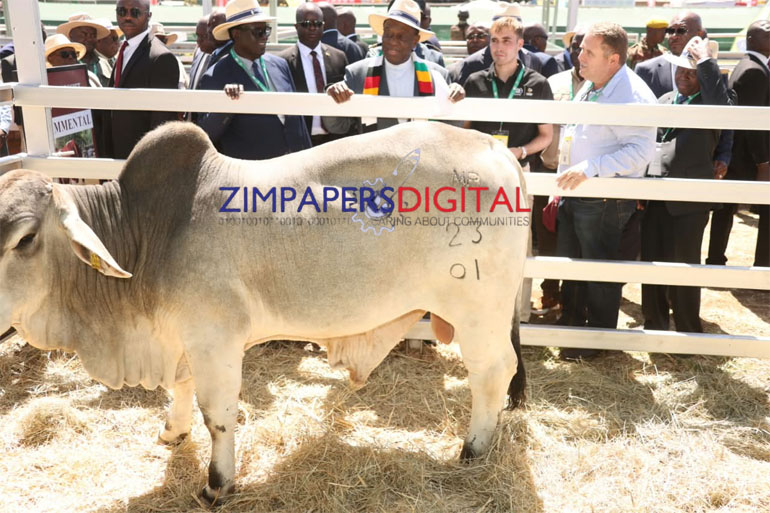
Wallace Ruzvidzo, [email protected]
PRESIDENT Mnangagwa yesterday reaffirmed the central role of agriculture in Zimbabwe’s economic transformation, describing it as the engine of industrialisation, a major source of exports and the cornerstone of food security, self-sufficiency, job creation and empowerment.
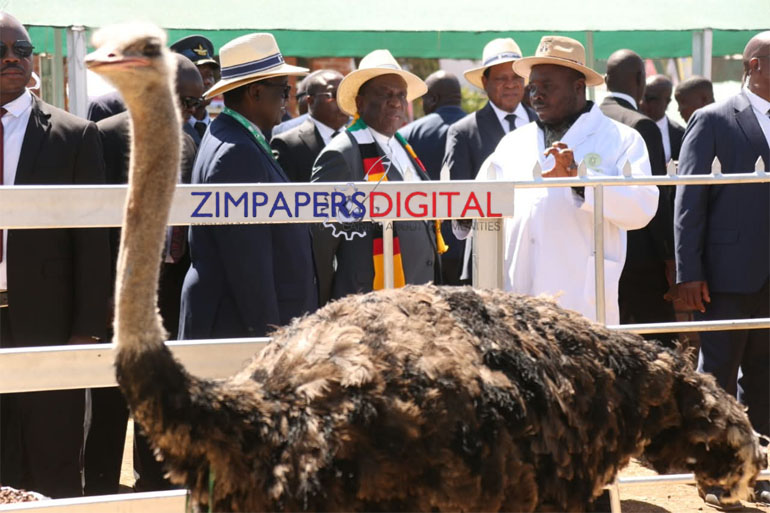
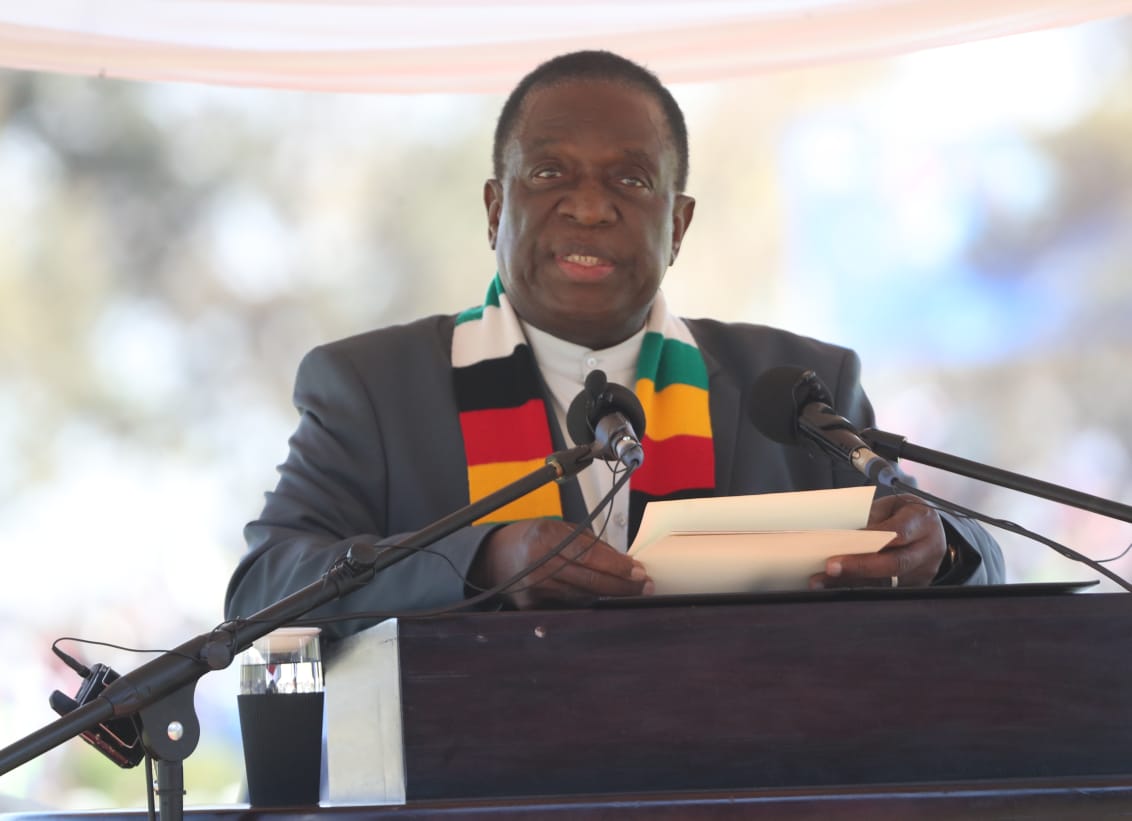
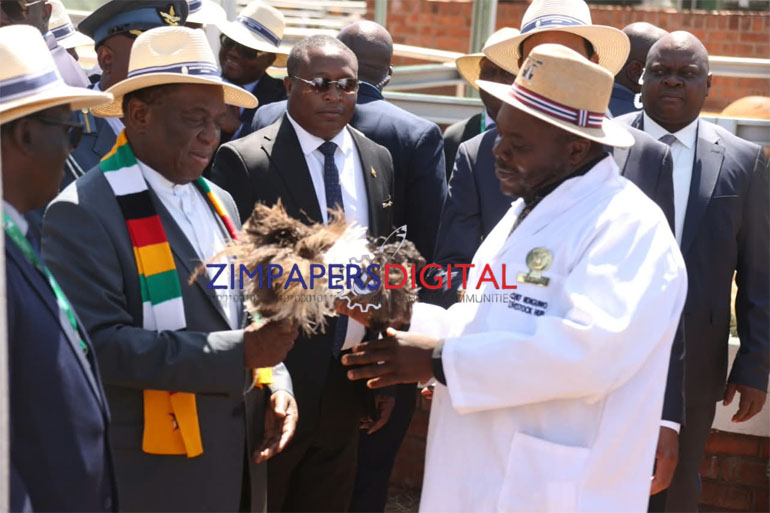
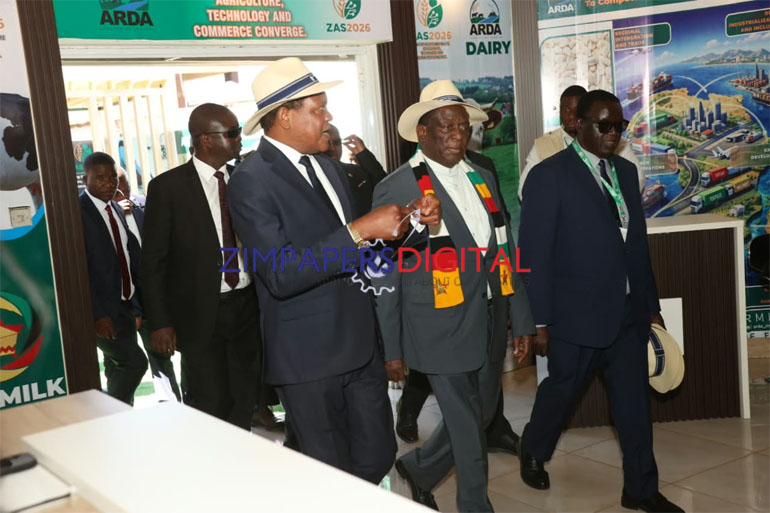
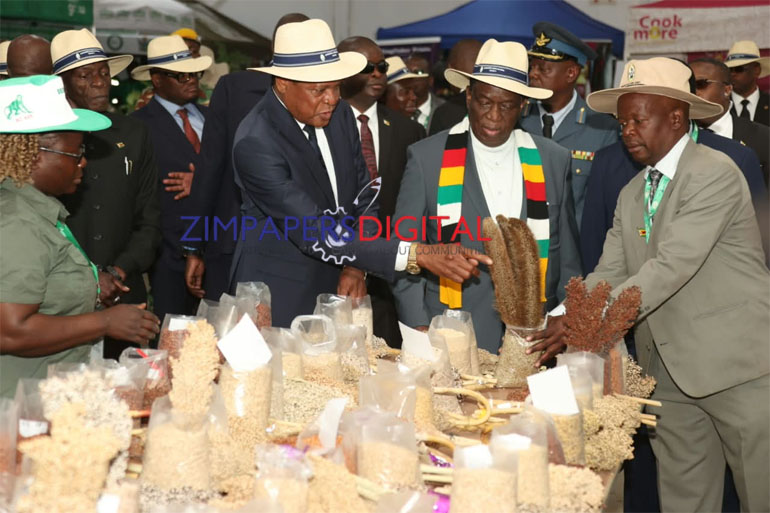
Speaking during the official opening of the 116th Zimbabwe Agricultural Show (ZAS) in Harare, the President said the country was entering a new phase of agricultural development in which value addition and agro-processing must take centre stage.
He said as Zimbabwe implements the National Development Strategy 2 (NDS2), the export of raw agricultural commodities should become a thing of the past, with greater emphasis placed on local processing to create jobs and retain value within the country.
“It is timely that this year’s Agriculture Show, is occurring on the backdrop of the implementation of the National Development Strategy-2. This strategic national blueprint, provides for the accelerated realisation of Vision 2030. Key aspects of agriculture, including mechanisation and irrigation development, among others, are at the centre of this agenda.”
President Mnangagwa said the country had built a strong foundation during the implementation of NDS1, resulting in significant gains across key agricultural sectors.
He said Zimbabwe had achieved wheat self-sufficiency for three consecutive years, while maize production had rebounded strongly following the 2024 drought.
“In wheat, Zimbabwe achieved 100 percent self-sufficiency in 2023, 2024 and in 2025 with a harvest of 375 000 tonnes. Under maize, the country experienced a strong recovery from the 2024 drought to produce 2,3 million tonnes in 2025, restoring the Strategic Grain Reserve. Agricultural exports now exceed US$2,1 billion. Recently, the closure of the 2025/2026 tobacco marketing season, was marked with results that should make the nation proud.
“Our country produced over 358 million kilogrammes of tobacco, valued at over US$892 million.
This is our second highest crop harvest on record, while tobacco remains our number one agriculture export earner, employing over 500 000 people across the value chain,” he said. The
President commended farmers, extension officers, financiers, input suppliers and other stakeholders for contributing to the sector’s growth.
Looking ahead, he challenged farmers and agribusinesses to focus on productivity, value addition and commercialisation.
“As we journey towards this goal, my Government is committed to continually develop the total hectarage of new irrigation. The overall objective is to ensure that yearly, we produce enough maize, wheat, traditional grains and horticulture to feed our nation and have a surplus for export.
Under the National Development Strategy-2, we will no longer export opportunities, jobs and value of our products, which are often exported as raw materials,” said the President.
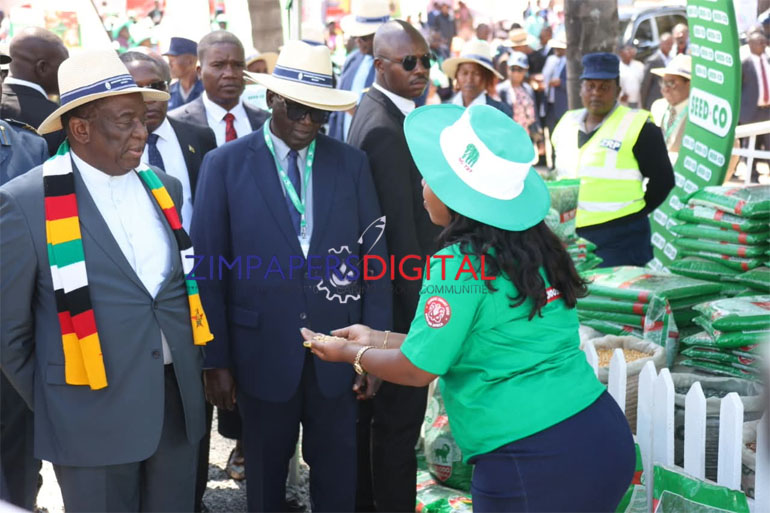
To support that vision, Government plans to establish Special Agro-Processing Zones in all 10 provinces.
President Mnangagwa said value addition was essential for maximising returns from agriculture and stimulating industrial growth.
He urged farmers and processors to move beyond primary production into manufacturing finished products.
“All agriculture produce must be processed locally. The target is to grow the overall agro-processing share in the manufacturing sector. This responsibility is not only for big enterprises but must be promoted from the village level and the rural industrialisation frameworks. This must see the transition of more than 1,8 million smallholder farmers into commercial value chains,” he said.
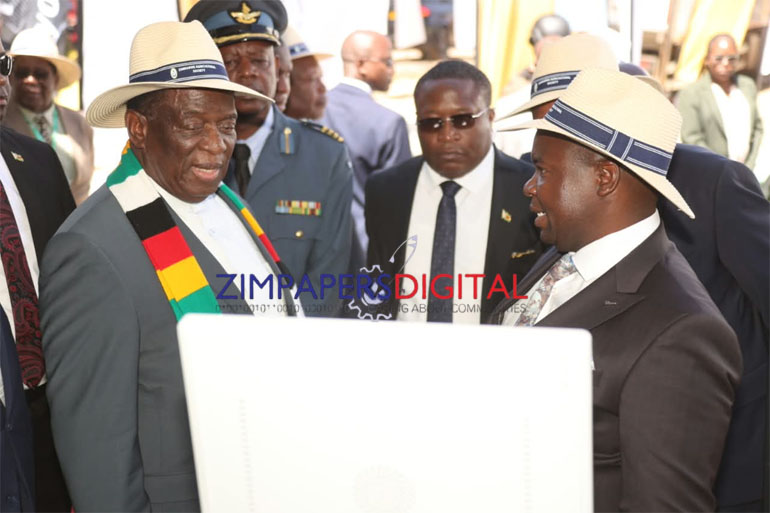
The President said initiatives such as contract farming, linkages with the Zimbabwe Mercantile Exchange, expanded Agricultural Finance Corporation funding and the new Credit Guarantee Scheme would play a critical role in supporting farmers and agro-processors.
He added that Government would continue creating a conducive business environment to enhance the competitiveness of Zimbabwean products on local and international markets.
President Mnangagwa also underscored the importance of research, innovation and technology in modern agriculture, saying the sector was increasingly being driven by data, mechanisation and artificial intelligence.
“Faced with this reality, precision and climate smart agriculture must be boldly embraced. Further, it is critically important that the deployment of soil sensors, satellite monitoring and drone services be expedited. These must be complemented by the digitisation of extension and agronomy services across all provinces, ward by ward,” said President Mnangagwa.
He challenged universities, research institutions, innovation hubs and industrial parks to accelerate the development of agricultural technologies that can improve productivity and household incomes.
The President said preparations for future farming seasons would continue to be guided by science and climate resilience measures.
“Our preparation for the 2026/2027 agriculture season, will continue to be informed by science. We are rolling out a National Early Warning System and index-based insurance programme. Under these forward-looking initiatives, stronger disaster preparedness and support measures are in place, to guarantee risk and burden reduction for vulnerable communities, including women, children and the youth,” he said.
He also highlighted the importance of infrastructure development, mechanisation and energy in driving agricultural productivity.
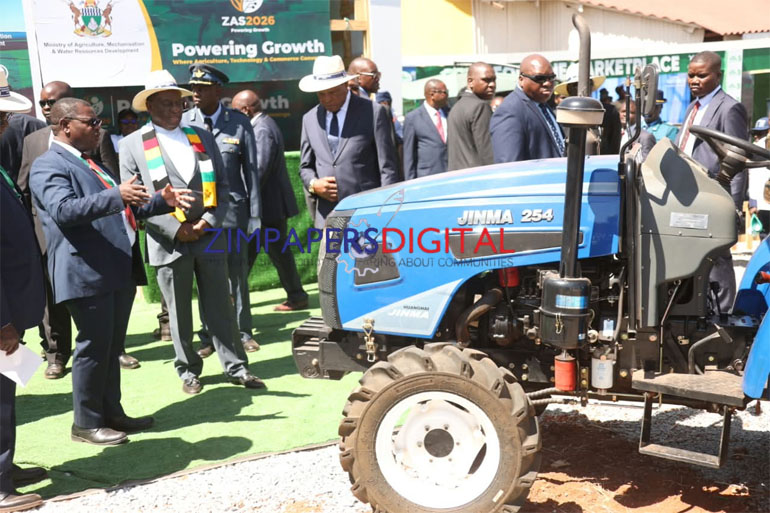
“My Government is expanding our national agriculture mechanisation capacity, with each village earmarked to have access to a tractor and other key equipment,” he said.
President Mnangagwa said women and young people would remain at the centre of the country’s agricultural transformation agenda.
“This segment of our demography is a vital cog of agriculture, as both drivers and beneficiaries. To this end, my Administration is establishing Youth Agriculture Entrepreneur Hubs across provinces, and also broadening the reach of the Women in Agriculture Fund, to ensure that no one and no place is left behind.
“I am, therefore, confident that this premier event will go a long way to enrich the perspectives, insights and networks within the agriculture sector towards the realisation of our national goals.
“On its part, my Government will continue to support the Zimbabwe Agricultural Society to modernise this exhibition park and expand its impactful programmes in districts and wards of our
beloved motherland,” he said.
The President said recommendations emerging from this year’s agricultural show should help shape future people-centred policies and programmes. He also challenged the private sector to increase investment in agriculture and agro-processing.
“To our private sector, I challenge you to take up the opportunities for investments and partnerships, outlined in our National Development Strategy-2. Together, let us nurture and weave long term synergies for the local manufacture of fertilisers and livestock vaccines, among other components required in the agriculture sector and the broader economy.
“Nyika inovakwa, inotongwa, inonamatigwa nevene vayo/ Ilizwe, lakhiwa, libuswe, likhulekelwe ngabanikazi balo. To our farmers, I urge you to be commercial, innovate and to adapt new technology, while entrenching a culture of continuous improvement, production and productivity,” he said.
The President said land reform had transformed land from a source of settlement into a productive asset capable of generating wealth and supporting economic growth.
“To the youth and women, agriculture is the overarching business of the present and future. I challenge you to lead this sector, help feed the nation and produce the feedstock for our industry,” said President Mnangagwa.
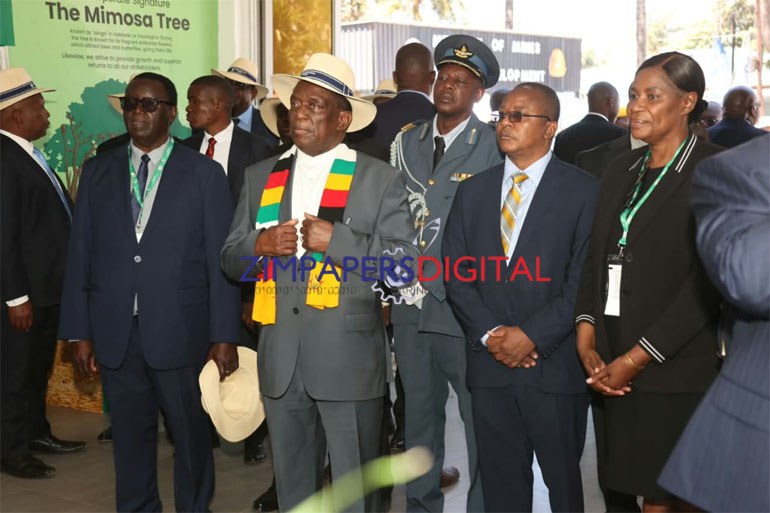
Vice Presidents Dr Constantino Chiwenga and Dr Kembo Mohadi, Cabinet ministers, senior Government officials, service chiefs and captains of industry attended the official opening ceremony.