Online Reporter
Precious Manomano
Herald Reporter
THE Government has intensified surveillance, vaccination and biosecurity measures to protect Zimbabwe’s livestock industry from devastating animal diseases, safeguard public health and preserve access to lucrative export markets.
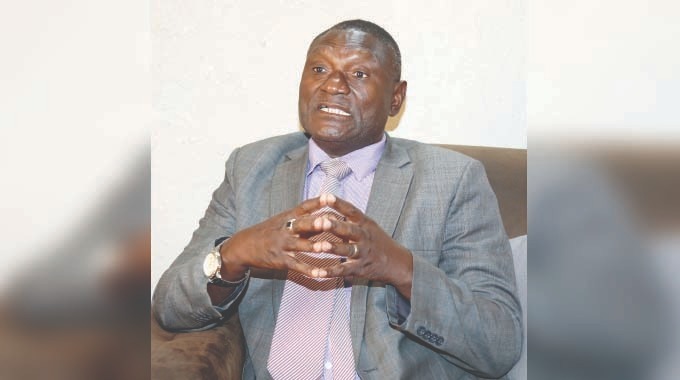
Speaking at the Zimbabwe Agricultural Society (ZAS) Livestock Conference in Harare on Wednesday, Department of Veterinary Services Chief Director Dr Pious Makaya said Government was strengthening disease prevention and control programmes to improve livestock productivity and ensure compliance with international animal health standards.
He said the Department of Veterinary Services was mandated to prevent the introduction and spread of animal diseases of both economic and zoonotic importance while facilitating trade in livestock and livestock products.
“We are there to make sure that we prevent the introduction and spread of animal diseases of zoonotic and economic importance. By controlling these diseases, we are also facilitating trade in live animals and animal products,” said Dr Makaya.
He said the department also promotes animal welfare by ensuring ethical livestock management practices and supervising slaughter facilities to guarantee compliance with prescribed standards.
Dr Makaya said the Government continued to prioritise the control of major diseases, including Foot-and-Mouth Disease (FMD), anthrax, rabies, brucellosis and avian influenza because of their devastating impact on livestock production, trade and public health.
He said buffalo remained the principal reservoir of the Southern African Territories strains of the Foot-and-Mouth Disease virus, making effective management of the wildlife-livestock interface critical to disease control.
To minimise the risk of transmission, the Department of Veterinary Services has embarked on a nationwide inspection programme targeting 2 729 buffalo conservancies to assess compliance with the Animal Health Act and biosecurity regulations.
The inspections are evaluating existing biosecurity infrastructure while identifying gaps that could allow buffalo to stray into communal grazing areas and infect cattle.
Dr Makaya said the department recently relocated buffalo from Save Conservancy to the Mupfudzi Block in Malilangwe after determining that the area had stronger biosecurity systems capable of containing the animals.
“We believe some of the recent Foot-and-Mouth Disease outbreaks originated from buffalo escaping conservancies. Our focus is to ensure buffalo populations remain confined within secure conservancies to minimise disease transmission,” he said.
Zimbabwe’s Foot-and-Mouth Disease control strategy is built on disease zoning, strategic vaccination, surveillance and strict regulation of livestock movements.
Government plans to vaccinate about one million cattle in districts surrounding national parks and conservancies to create protective buffer zones against the disease.
Dr Makaya said Zimbabwe had successfully contained recent outbreaks through vaccination campaigns, quarantine enforcement, surveillance and epidemiological investigations, with quarantine restrictions now remaining in only three of the eight districts that had previously recorded outbreaks.
He said the country was expecting a consignment of 1,5 million doses of Foot-and-Mouth Disease vaccine to strengthen vaccination programmes in high-risk areas.
On poultry health, Dr Makaya said Zimbabwe remains free of Highly Pathogenic Avian Influenza despite outbreaks in neighbouring countries, with surveillance intensified in border districts and strict biosecurity measures maintained to keep the disease out of the country.
He urged poultry farmers to avoid importing birds from countries experiencing avian influenza outbreaks, particularly South Africa.
Dr Makaya said tick-borne diseases account for between 65 and 70 percent of cattle deaths in Zimbabwe, prompting Government to implement an integrated control strategy that combines routine dipping, vaccination, acaricide resistance testing and rehabilitation of dip tanks.
He said 1 024 dip tanks had been identified as experiencing perennial water shortages, while 205 had been earmarked for borehole drilling and solarisation to improve dipping operations.
The Government is also expanding vaccination against Newcastle disease after inoculating 8,5 million communal chickens under the national programme, with more vaccines being produced to widen coverage.
Also speaking at the conference, livestock farmer Dr Godfrey Manyawu said strengthening animal health interventions should go hand in hand with improving livestock feeding systems to build resilience against climate change.
He said Zimbabwe’s livestock sector remained heavily dependent on natural rangelands, which were becoming increasingly vulnerable to climate change, making it essential for farmers to establish forage crops on their own land rather than relying solely on communal grazing.
Dr Manyawu urged farmers to deliberately allocate about 20 percent of their land to forage production to ensure adequate livestock feed during drought periods.
“Zimbabweans have always been known as livestock people, but we have got to make a deliberate decision that every year there must be something growing in the field for the animals, not just for our stomachs. The droughts will always be there, and we have to plan for them,” he said.
He called for increased adoption of drought- and flood-tolerant forage varieties, stronger research-extension linkages and wider dissemination of locally developed forage technologies to improve feed availability and support the country’s Vision 2030 livestock production targets.
Dr Manyawu also encouraged communities in drought-prone areas to establish strategic silage reserves, saying conserved fodder could help protect livestock during prolonged dry spells and cushion farmers against climate-induced losses.