Online Reporter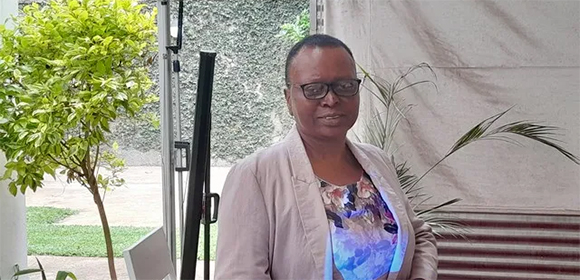
Obey Musiwa and Anotida Chonzi-Herald Reporters
The Government has relaunched the Infection Prevention and Control Policy, which is part of the broader One Health Approach to combat the growing threat of antimicrobial resistance (AMR).
Speaking at the launch on Tuesday, Nursing Services director in the Ministry of Health and Child Care Ms Nyaradzai Chiwara said the IPC policy and strategic plan is not only reaffirming the commitment to safeguarding the health and well-being of every Zimbabwean but guarantees continuous fight against infectious diseases.
“IPC is pivotal in the comprehensive efforts in the prevention of transmission of pathogens in healthcare settings,” she said.
“It also ensures the implementation of effective strategies to minimise the transmission and impact of diseases, the primary focus being to enhance public health practices and safeguard community well-being.”
A representative from the Ministry of Lands, Agriculture, Water and Rural Development, Dr Lawrence Tinginya, praised the project’s success, saying it was poised to continue making meaningful progress in the fight against AMR.
“By establishing robust surveillance mechanisms, routine training and integrated education initiatives, we intend to transform every healthcare facility into excellence in prevention of infections,” he said.
“So this approach is in harmony with the global best practices, including the World Health Organisation IPC core components, ensuring that our national strategy is aligned with the international standards as we are addressing our unique local challenges.”
Food and Agriculture Organisation, represented by livestock development officer for Southern Africa Dr Berhanu Bedane, said its work in Zimbabwe is firmly rooted in the national development agenda.
“Our interventions are guided by the Global Action Plan on AMR, Zimbabwe’s National Development Strategy, the FAO Country Programming Framework (2022–2026), the United Nations Sustainable Development Cooperation Framework, and the FAO Strategic Framework 2022–2031,” he said.
“The latter seeks to support the 2030 Agenda by fostering the transformation of agrifood systems to become more efficient, inclusive, resilient and sustainable, to achieve better production, better nutrition, a better environment and a better life for all, leaving no one behind.”
He said that the Farmer Field Schools model has supported the promotion of improved husbandry practices within the broiler value chain.
“These were implemented in eight districts, namely Chegutu, Masvingo, Marondera, Murewa, Mutare, Mutasa and Zvimba,” he said.
“This contributed to the reduction in antimicrobial use by enhancing biosecurity and disease prevention at the community level.”
“These efforts were informed by the endline Knowledge, Attitudes and Practices (KAP) survey and were complemented by the development of relevant training and communication materials tailored to the needs of farmers.”