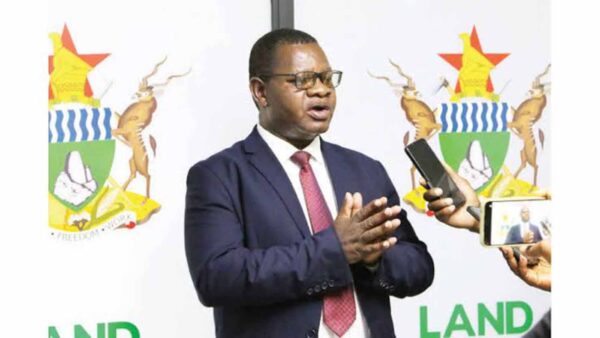
Prosper Ndlovu in St Petersburg, Russia
ZIMBABWE is negotiating with Russian pharmaceutical giant Pharmasyntex-Nord Group to establish a local manufacturing plant as the Government moves to reduce dependence on imported medicines and retain critical pharmaceutical technology in the country, Vice-President Kembo Mohadi has said.
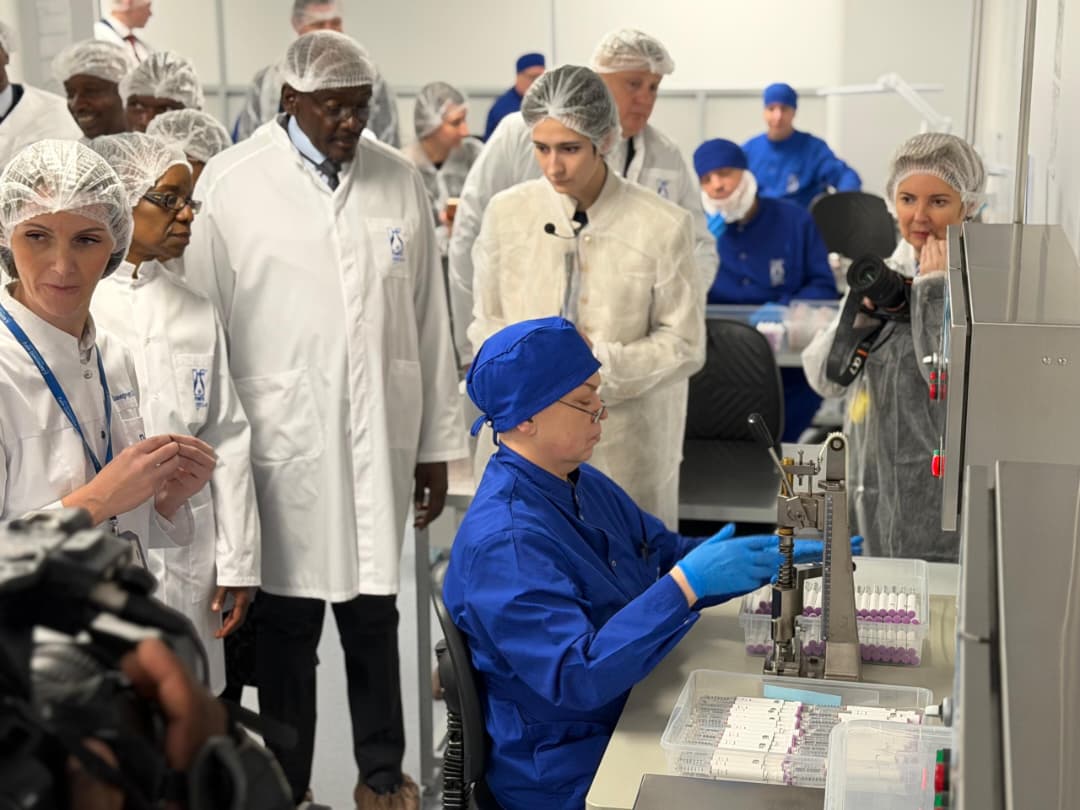
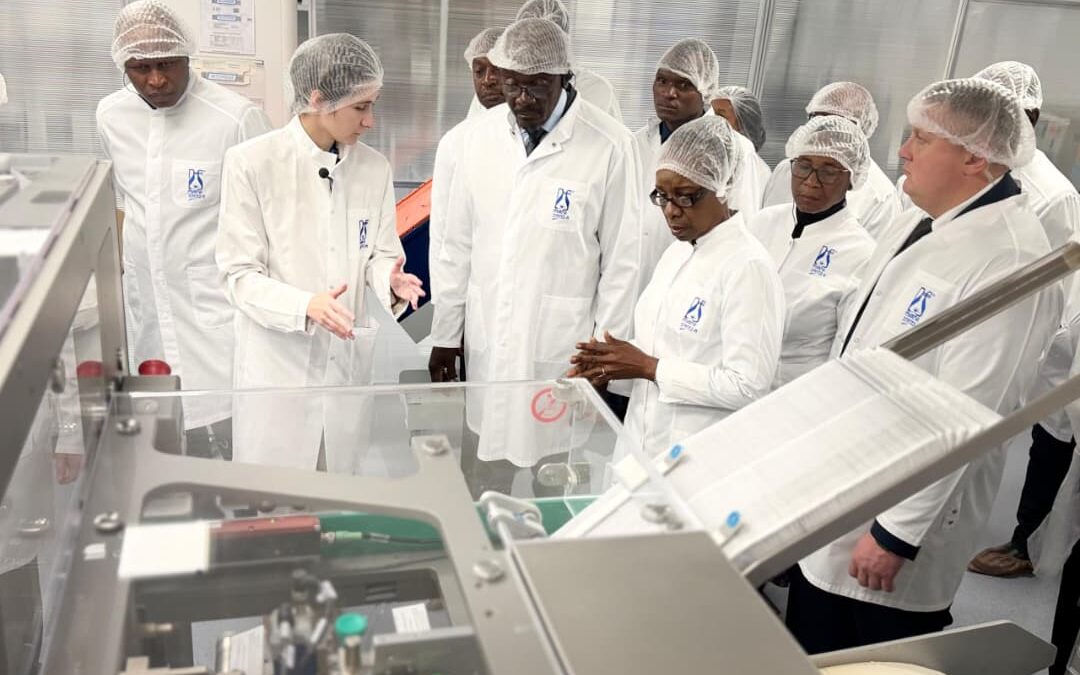
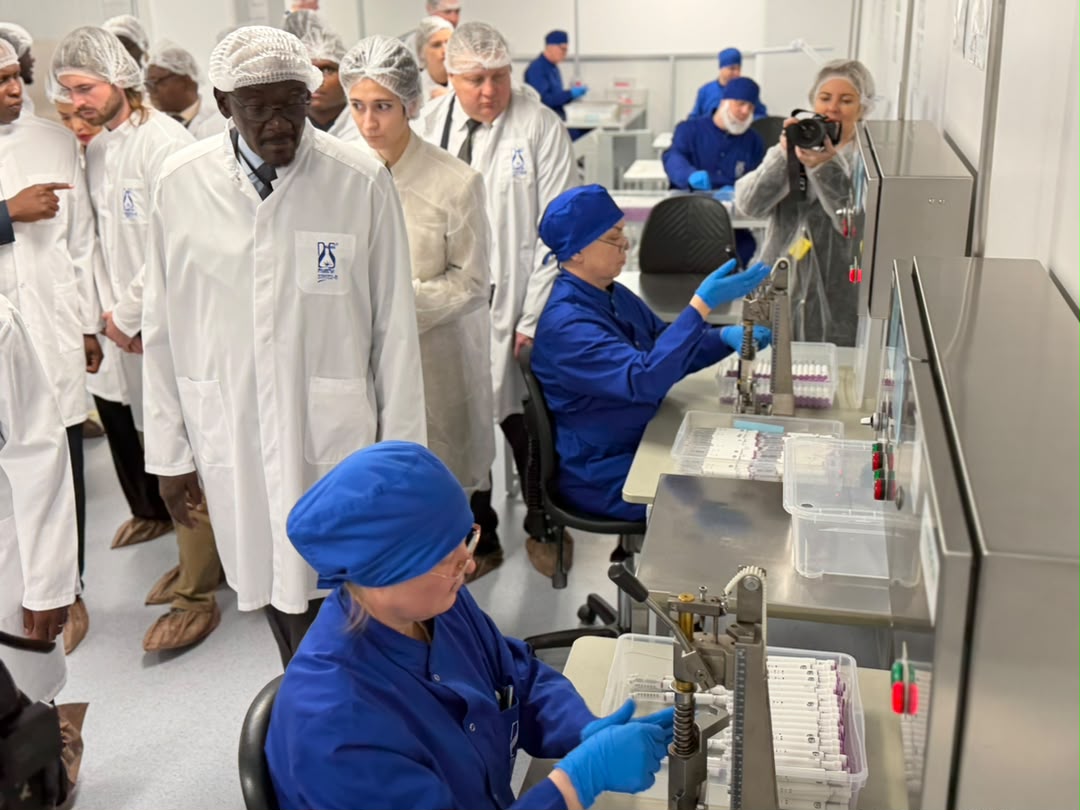
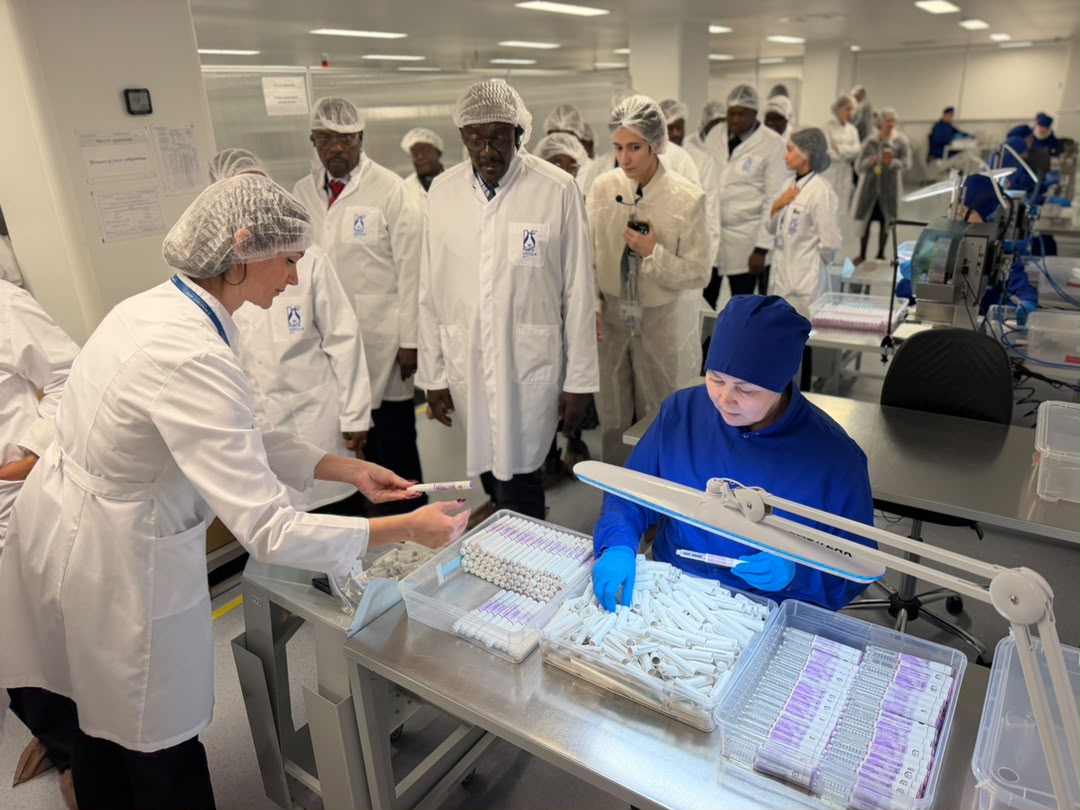
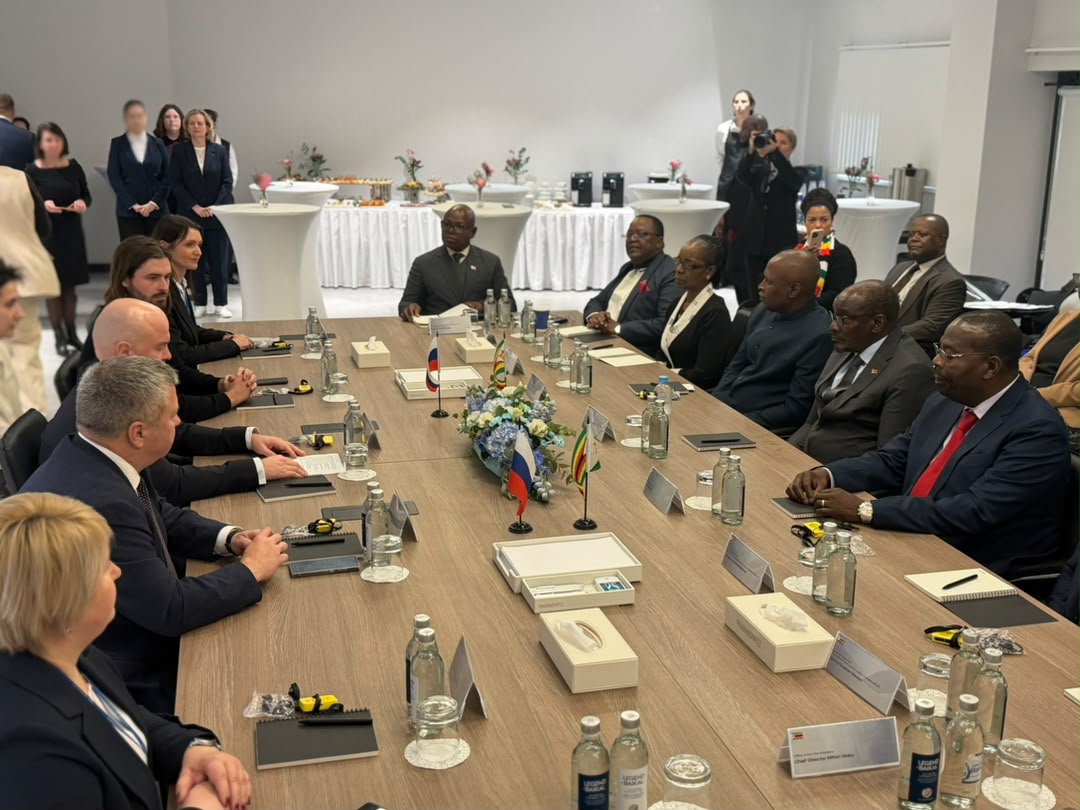
Speaking after touring the company’s industrial complex in St Petersburg, where Zimbabwe was keen to move beyond being a consumer of imported medicines to becoming a producer, VP Mohadi said the proposed partnership would enable Zimbabwe to leverage Russia’s pharmaceutical expertise, strengthen domestic drug production and improve access to specialised healthcare, particularly cancer treatment.
VP Mohadi said the Government wanted the company to consider establishing a manufacturing presence in Zimbabwe, with technology transfer forming a key component of the proposed cooperation.
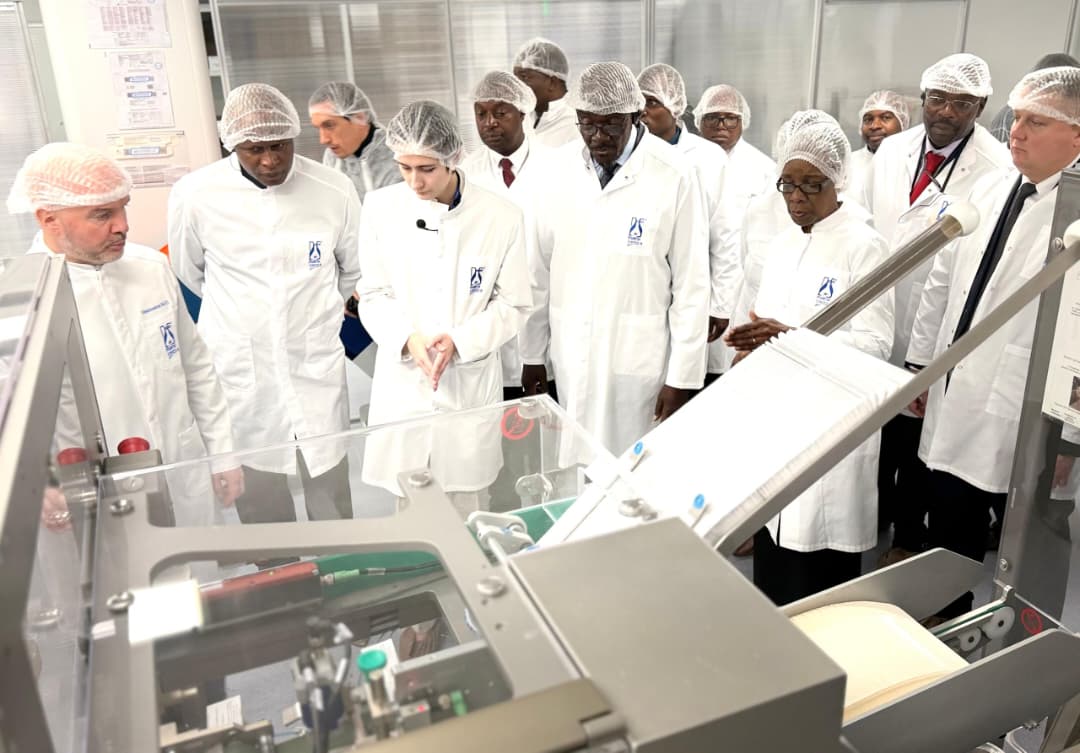
“We are here to see and to learn what other people are doing through the relationship between the two countries. We found it prudent that we come here and see what they are doing because they would want us to have a relationship with them or a sort of trading business with them in terms of pharmaceuticals,” he said.
The Vice-President said Zimbabwe should use the opportunity to negotiate a partnership that would leave lasting industrial and technological benefits in the country.
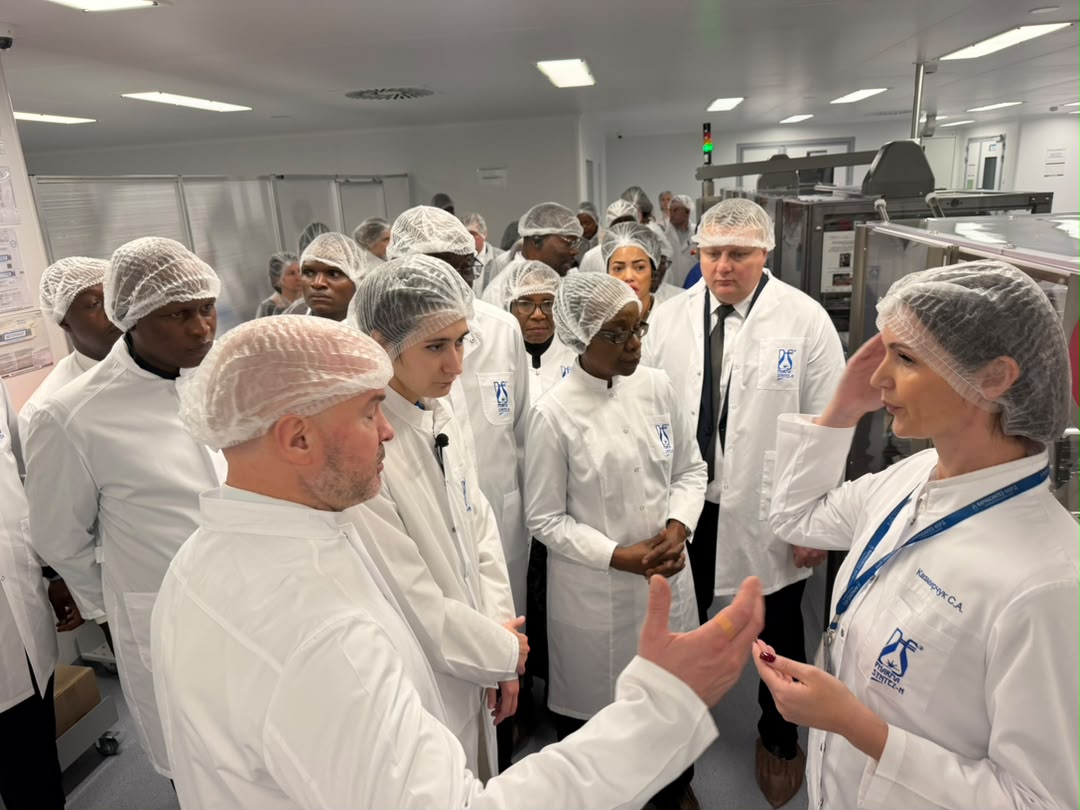
“What I think will do for us is that since they (Pharmasyntex-Nord Group) have approached us and would want to work with us, it would be prudent that we coax them or we talk to them nicely so that they establish themselves back home as well, so that there is a transfer of technology, which is going to remain in Zimbabwe, which is going to last back home. It’s a good thing that we have been here,” he said.
VP Mohadi said adopting advanced pharmaceutical and medical technologies was also critical to decentralising specialised healthcare services, particularly cancer diagnosis and treatment.
While the Government has installed cancer diagnostic machines at Mpilo Central Hospital in Bulawayo and Parirenyatwa Group of Hospitals in Harare, he said more investment was needed to ensure that patients in remote parts of the country could access treatment without travelling long distances.
“We have indeed managed to get some cancer diagnostic machines at Mpilo and Parirenyatwa, but that’s not enough because you are telling me that somebody who suffers from cancer very far from Mpilo, how is he going to be treated? Does he have to move all the way to Mpilo or to Parirenyatwa? It doesn’t work that way,” he said.
“We haven’t done much even though we have procured those machines. So we need more, and we don’t only need machines, we also need expertise.”
VP Mohadi said Zimbabwe needed access to modern technology, specialist skills and new medicines to strengthen its response to cancer and other non-communicable diseases.
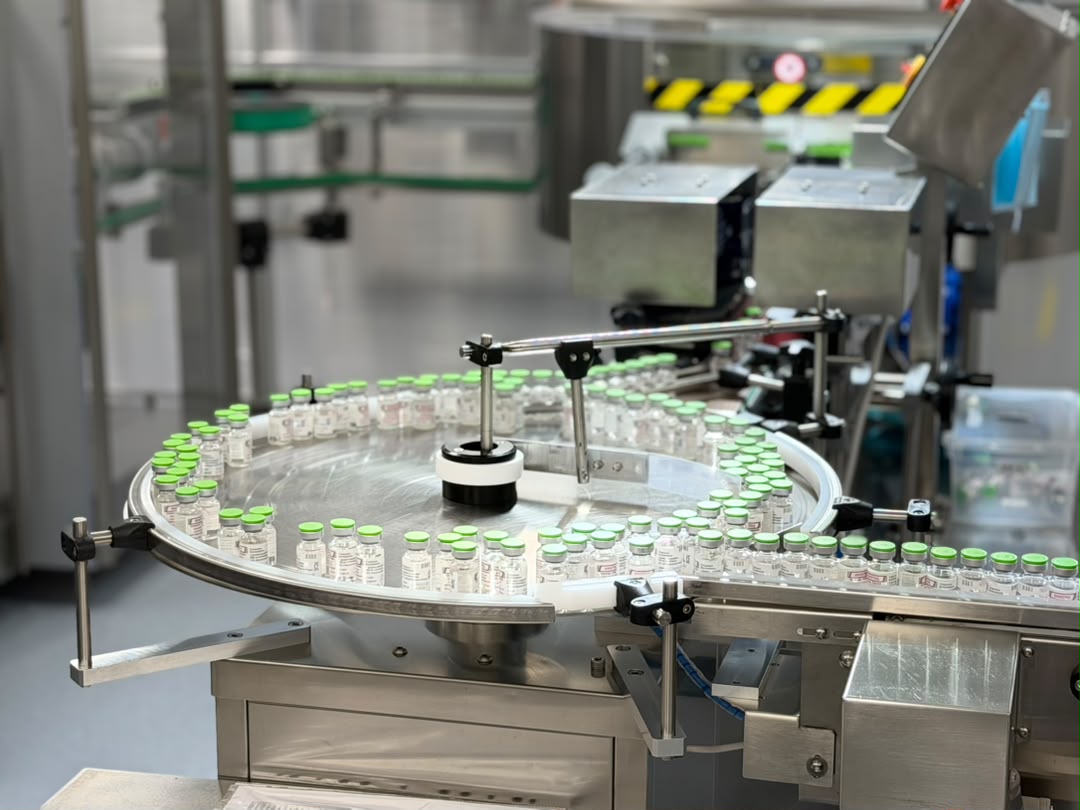
He said the Russian company had demonstrated how medicines used in cancer management were manufactured, highlighting opportunities for cooperation in pharmaceutical production and technology transfer.
“We don’t want our people to travel long distances to go and access medical assistance,” said VP Mohadi.
He said healthcare services should be decentralised in the same way the Government was pursuing improved access to schools and primary healthcare facilities.
“Cancer does not select places where to attack people. It can attack anybody anywhere in a remote area. So, we need to be closer to them.
“We need to provide the treatment that is required there and then, not to wait for people to die,” he said.
The proposed pharmaceutical cooperation is part of broader efforts to deepen Zimbabwe-Russia relations, which the Government wants to transform from longstanding political and diplomatic ties into mutually beneficial economic partnerships.
President Mnangagwa recently met his Russian counterpart, President Vladimir Putin, in Moscow during the Third Russia-Africa Summit, during which the two leaders agreed to strengthen bilateral cooperation.
VP Mohadi said Zimbabwe wanted to build on the relationship by increasing trade and expanding cooperation in areas where the two countries could complement each other.
He said discussions had also included the possibility of establishing a trade attaché position in Russia to help grow commercial exchanges.
“The ties between Zimbabwe and Russia are moving to economic ties that are going to benefit Zimbabweans back home. The Ambassador is here (Mark Grey Marongwe), we were talking about maybe the possibility of having a trade attaché here in Russia,” said VP Mohadi.
“We would want to increase the volume of trade between the two countries; it is not that lucrative, so we want to increase that.”
VP Mohadi said the relations date back to Zimbabwe’s liberation struggle, when the Soviet union provided support to the country’s nationalist movements.
He said the current generation should build on that foundation by expanding cooperation in technology, trade, mining and human capital development.
“We just want to keep it and maybe up it a little bit so that we benefit more from each other. There are things that they want from us, we have got minerals that I think they would want and we also want the technology that they have,” said VP Mohadi.
He said Zimbabwe was also sending students to Russia to acquire specialist skills in medicine, engineering, science and technology, which could contribute to national development.
“That’s why we are bringing quite a lot of STEM students here studying medicine, engineering and all other things. We want to take as much as is possible from them so that we can develop our country as well,” said VP Mohadi.
He said the cooperation would support the country’s Vision 2030 development aspirations, adding that Zimbabwe had already achieved its per capita income target.
The Vice-President, who is also in charge of the health cluster, is in Russia to follow up on a 2025 Memorandum of Understanding signed between the health ministries of the two countries.
He is leading a Zimbabwean technical delegation comprising Deputy Minister of Health and Child Care Sleiman Kwidini, Public Health Advisor in the Office of the President and Cabinet Dr Agnes Mahomva, and private-sector players in the pharmaceutical industry.