Mthabisi Tshuma [email protected]
ZIMBABWE has showcased how restoring degraded landscapes can improve livelihoods, strengthen environmental resilience and support climate-resilient agriculture at the ongoing 31st session of the Conference of the Parties to the United Nations Framework Convention on Climate Change (UNFCCC COP31) in Türkiye.
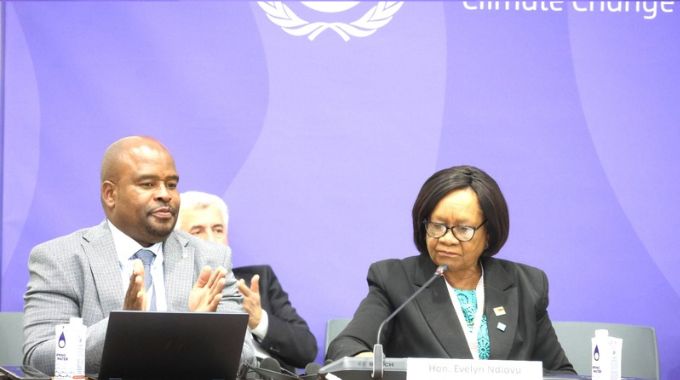
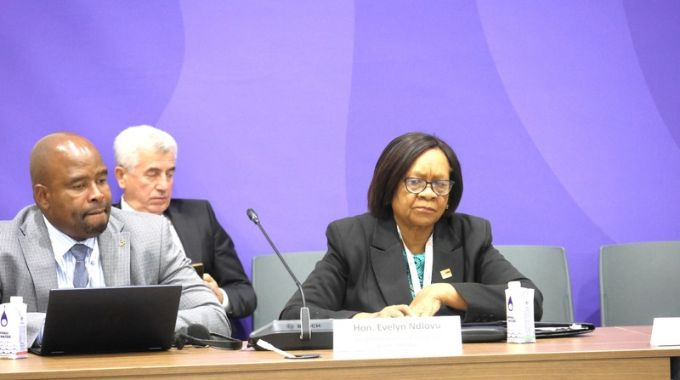
Environment, Climate and Wildlife Minister Dr Evelyn Ndlovu said the country was using the Dryland Sustainable Landscapes Impact Programme (DSL-IP), forest management, landscape restoration and climate-resilient agriculture to promote sustainable value chains and improve community livelihoods.
Minister Ndlovu made the remarks during a session held under the banner, “Thriving Drylands: Scaling Country Solutions at the Climate, Land and Biodiversity Interface through Rio Synergies”.
COP31 began in Türkiye on Monday and runs until November 20.
She said Zimbabwe’s experience in the Save and Runde catchments could provide lessons for dryland countries across Africa and beyond.
“In the Save and Runde catchments of Zimbabwe, where forests, croplands, rangelands and wetlands support around 3.5 million people, we are demonstrating how these approaches can work together. Through the DSL-IP, Land Degradation Neutrality objectives are being translated into local action, while strengthening coordination among institutions and communities.
“These efforts combine forest management, landscape restoration and climate-resilient agricultural practices with the development of sustainable value chains linked to traditional grains, non-timber forest products and small livestock. By connecting sustainable production with ecosystem restoration and livelihood opportunities, we are strengthening both environmental resilience and community well-being,” she said.
Minister Ndlovu said one of the key lessons from Zimbabwe’s experience was that addressing the challenges facing drylands required collaboration across sectors and national borders.
“One of the clearest lessons from our experience is that these challenges cannot be addressed effectively by one sector alone. The value of the DSL-IP lies precisely in its programmatic, cross-sectoral and transboundary approach. Through the Southern Africa Regional Exchange Mechanism, we are sharing these experiences with neighbouring countries and identifying solutions that can be adapted and scaled across the wider Miombo–Mopane region.
“Zimbabwe has equally had the privilege of chairing the COFO Working Group, providing a platform to bring dryland countries’ priorities into international policy discussions, strengthen South-South cooperation and promote collective action,” she said.
She said integrated landscape management provided an opportunity to address land degradation, biodiversity loss and climate change through coordinated action.
“Today, at UNFCCC COP31, we have an opportunity to take this effort one step further. Integrated landscape management can simultaneously advance Land Degradation Neutrality under the UNCCD, biodiversity conservation under the CBD and climate change adaptation and mitigation under the UNFCCC.
“For Zimbabwe, these are not separate agendas. They are interconnected national priorities requiring coordinated policies, partnerships and investment,” said Minister Ndlovu.