

 Online Reporter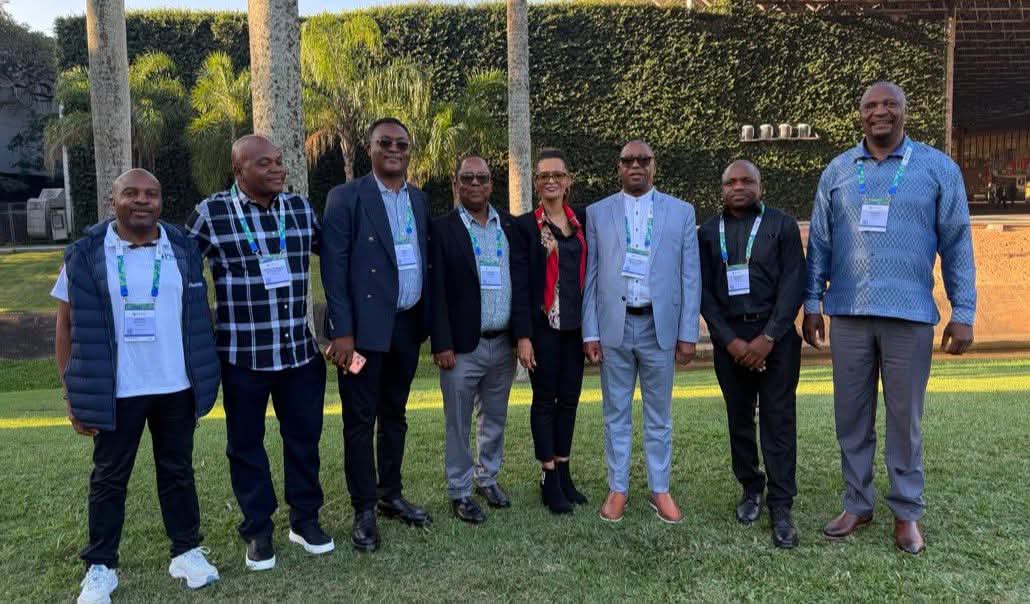
Rumbidzayi Zinyuke
Senior Health Reporter
ZIMBABWE is strengthening international partnerships and sharing lessons from its HIV response at the 26th International AIDS Conference (AIDS 2026) in Rio de Janeiro, Brazil, where Health and Child Care Minister Dr Douglas Mombeshora is leading the country’s delegation.
The conference, which is running from July 26 to 31, officially opened on Monday and has brought together thousands of scientists, policymakers, healthcare professionals, researchers, development partners, civil society organisations, community leaders, advocates and people living with HIV from across the world.
The gathering is one of the largest global platforms dedicated to advancing the HIV response and is focusing on the latest scientific developments, innovations and best practices in HIV prevention, treatment, care and research.
Zimbabwe’s participation reflects the country’s continued commitment to ending AIDS as a public health threat by 2030 through evidence-based interventions, strong partnerships and people-centred healthcare.
The conference is also providing an opportunity for Zimbabwe to showcase progress made in controlling the HIV epidemic, learn from experiences in other countries and strengthen collaboration with international partners.
Zimbabwe has made significant gains in its HIV response and has surpassed the UNAIDS 95-95-95 targets, with 97 percent of people living with HIV aware of their status, 96 percent receiving antiretroviral therapy and 95 percent of those on treatment achieving viral suppression.
The country has also continued to expand access to HIV prevention services, including the introduction of long-acting HIV prevention options, while strengthening testing, treatment and community-based programmes.
AIDS 2026 is expected to provide a platform for discussions on sustaining progress amid changing global health financing landscapes, reducing inequalities in access to services and ensuring that HIV responses remain responsive to the needs of communities.
The Southern African Development Community (SADC) Secretariat is also participating in the conference alongside member States and regional partners to highlight progress made in the region, strengthen collaboration and contribute to discussions on accelerating equitable, sustainable and community-led HIV responses.
For Zimbabwe, participation in the global conference comes at a time when the country is working to sustain the gains made over the past two decades while addressing remaining gaps in prevention, treatment and access to services among vulnerable and underserved populations.
The conference is expected to generate new evidence and partnerships that could help strengthen national and regional efforts to end AIDS as a public health threat within the next four years.



