

 Online Reporter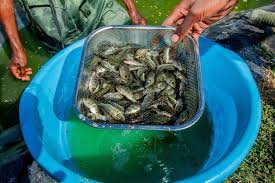
Theseus Shambare
Herald Correspondent
GOVERNMENT has set an ambitious target to increase national fingerling production to 30 million annually as part of efforts to expand aquaculture, strengthen food security and stimulate rural economies.
Speaking at the inaugural National Fisheries and Aquaculture Symposium in Harare yesterday, Lands, Agriculture, Fisheries, Water and Rural Development Permanent Secretary Professor Obert Jiri, whose speech was delivered on his behalf by Agricultural and Rural Development Advisory Services (ARDAS) chief director Mrs Medlinah Magwenzi, said the country was producing about 12,5 million fingerlings annually, significantly below the national requirement.
The shortfall, he said, has become one of the key bottlenecks limiting the rapid expansion of Zimbabwe’s aquaculture sector.
“Our national strategy acknowledges that we currently produce approximately 12,5 million fingerlings annually against a desired target of 30 million.
“Addressing this gap is critical to scaling up aquaculture production and ensuring the sector contributes meaningfully to food security, employment creation and rural development,” said Prof Jiri.
Fingerlings — juvenile fish used to stock ponds and dams — are a critical input for fish farmers and aquaculture enterprises.
Zimbabwe has been steadily promoting fish farming as a sustainable source of protein and an economic activity capable of transforming rural livelihoods.
The sector has gained renewed momentum under the Government’s Agriculture Food Systems and Rural Transformation Strategy 2 (AFSRTS 2) for the period 2026–2030, which places fisheries and aquaculture among the key drivers of the country’s emerging blue economy.
Prof Jiri said aquaculture presents a strategic solution as natural fisheries face increasing pressure from overfishing and environmental challenges.
Demand for fish as a source of affordable protein, he said, continues to grow across the country.
He said Zimbabwe’s fisheries industry must evolve through research, innovation and stronger collaboration between government, universities, private sector players and development partners.
“Aquaculture presents a sustainable and strategic alternative that can enhance the resilience of our communities and contribute to economic growth,” he said.
The Government, Prof Jiri said, will scale up successful pilot initiatives such as fingerling distribution hubs and community fisheries programmes to accelerate sector growth.
He said dams across the country are increasingly being integrated into broader rural economic development models, where fisheries development complements irrigation and potable water supply.



