Kudzanai Sharara in Shanghai, China
Zimbabwe is stepping up efforts to position its horticultural and other value-added products in the Chinese market, with exporters being urged to strengthen production capacity and meet regulatory requirements to take advantage of growing demand.
The push comes as local companies seek to diversify the country’s export basket and establish a stronger presence in one of the world’s major consumer markets.
ZimTrade Export Promotion Manager Mrs Vuyiswa Mafu said the China International Import Expo (CIIE) had provided Zimbabwean businesses with an important platform to showcase their products and understand opportunities in the Chinese market.
She said 12 Zimbabwean companies participated in this year’s exhibition, representing sectors that included horticulture, essential oils and arts and crafts.
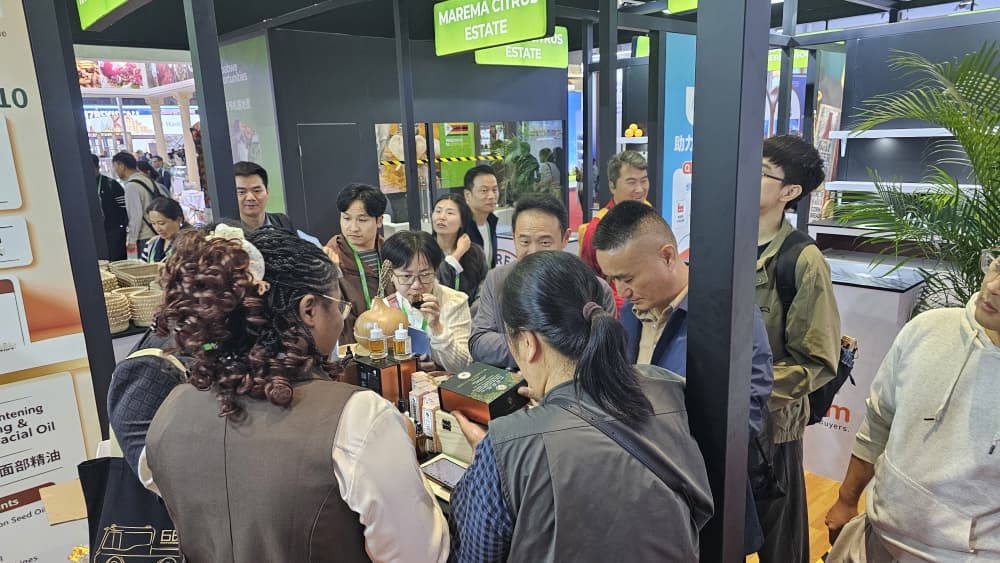
“The response from the Chinese market has been very good. The Chinese are more interested in African products, and our response at the Zimbabwean pavilion has indeed been very good,” she said.
Mrs Mafu said Zimbabwe’s participation in the expo, which dates back to 2019, had become increasingly valuable as local businesses sought to establish commercial relationships with Chinese buyers.
However, she said the ability to meet export-market requirements remained critical, particularly for small businesses seeking to move beyond showcasing their products to actual commercial exports.
She urged horticultural producers to prioritise registration with China’s General Administration of Customs (GACC), saying ZimTrade was available to assist businesses through the process.
“For the horticulture guys, they need to get their GACC registration in place. If they are to enter this market successfully, it is something that at ZimTrade we can assist them with,” she said.
She added that exporters also needed to obtain the relevant phytosanitary certificates for their produce to comply with market-entry requirements.
The emphasis on compliance comes as Zimbabwe seeks to expand opportunities for its horticultural products, including blueberries and other fresh produce, in international markets.
Tashinga Suruchera of Stagri Brands described the response at CIIE as “perfect” amid huge interest for the Tejaswini chilli brand and what is left is for the company to start exporting. Stagri has the capacity to produce at least 50 tonnes per month. It plans to take advantage of an arrangement where all African countries with diplomatic ties to China can export dried chilies (origin restrictions removed). From May 1, zero tariffs apply to all African exports – a major boost.
Priviledge Bere of Crafts’ R Us described the response from the market as “good” amid interest for bulk orders with supplies already available.
Her booth was very active with individual buyers taking advantage of the expo to make some purchases.
Nomusa Chinounda of Kaza Natural Oils said the response from CIIE “has been good” although this time it was more of individual consumers than manufacturers.
Mrs Mafu said the 12 participating companies had showcased a diverse range of locally produced goods, demonstrating the potential for Zimbabwe to broaden its export offering beyond traditional commodities.
She said the positive response from visitors to the Zimbabwean pavilion strengthened the case for continued participation in the exhibition.
Zimbabwe’s participation in the CIIE forms part of broader efforts to connect local producers with international markets, improve export competitiveness and create opportunities for businesses to increase their contribution to the economy.
For smaller exporters, meeting certification and regulatory requirements will be essential to turning the interest generated at international exhibitions into sustainable access to the Chinese market.