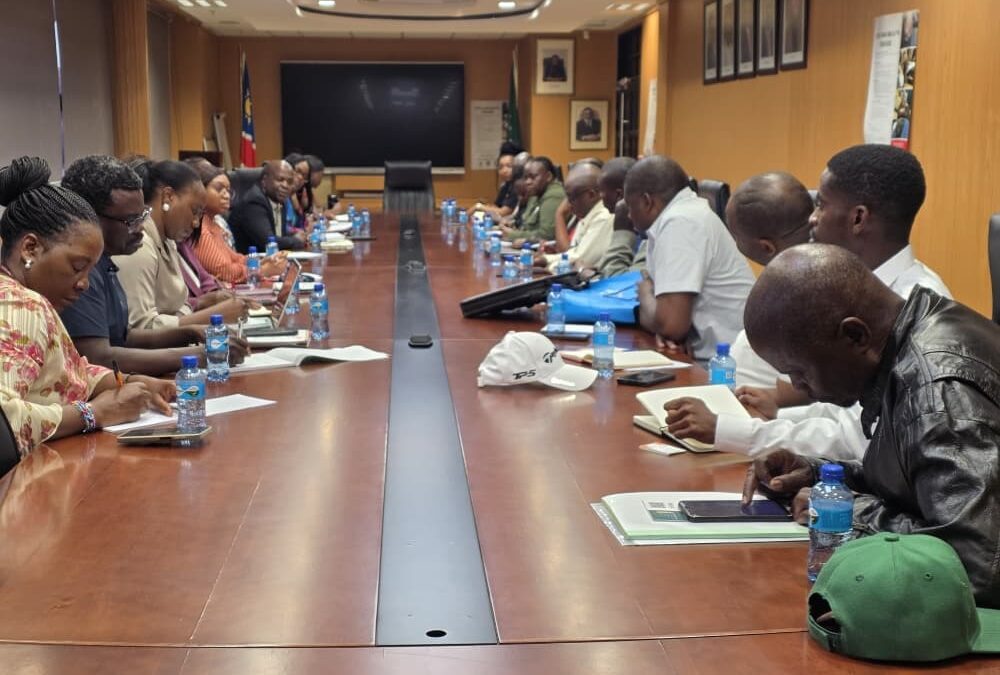
Prosper Ndlovu in WINDHOEK, Namibia
AS the Zimbabwe trade mission to Namibia came to an end on Friday, participating Zimbabwean companies have expressed readiness to expand into new markets, indicating that the exposure gave them good leads for new business and partnerships.
Davipel Holdings commercial executive, Lilian Matsika, said the three-day programme, which was organised by ZimTrade and led by the Zimbabwean Ambassador to Namibia, Amb Melody Chaurura, assisted local companies to engage with peers in Windhoek and gain critical market intelligence to guide future business plans.
“When we came here, our expectations were to get an opportunity to meet distributors and gain a better understanding of Namibia’s markets and the competing products on the shelves. The conference gave us a very good perspective,” she said.
“As we plan to enter Namibia, we now have a better appreciation of the distances between Zimbabwe and Namibia, as well as the available transport options. We were given three routes to explore. We also had the opportunity to hear from a woman in the fish industry about the challenges she is experiencing. We also had an opportunity to meet the minister, who explained the requirements for doing business in Namibia.
“We would not have had that opportunity if it were not for ZimTrade. I really appreciate the opportunities ZimTrade has opened up for us, including the visit to Bokomo,” said Matsika.
“These are opportunities we would not ordinarily get. The mission has opened doors that we probably would not have been able to open on our own. I have met several distributors, and it is now up to me to follow up and turn those contacts into business.”
Matsika said now that Government through ZimTrade has done its part by opening the doors, it was up to local.producersnronfimoah the rest.
“I was already following up with some of the distributors I met, making sure I maintained contact.
We also met Agra and shared our company information. There is potential for us to have them toll-mill our products or distribute them. These are opportunities we might not have secured on our own,” she said.
“So, I am grateful to ZimTrade for adding value to our business. Davipel has been on an expansion drive over the past year. We acquired a new stockfeed plant with the capacity to produce 10 tonnes per hour.
“I believe this could be the largest capacity of its kind in Zimbabwe, but we recognise that we are not entering an empty market. There are already other players, so we are looking for export markets to utilise our expanded capacity.”
Matsika said Namibia was an attractive market because of its large cattle population.
“Interestingly, we also learnt about its poultry industry. We understand that only one company is producing stockfeeds there, which presents a potential opportunity for us. We have also upgraded our porridge plant.
“Previously, we could produce 600 tonnes a month, but we have now more than doubled that capacity,” she said.
“We, therefore, need to find markets for the additional output. We have been to Zambia and have started supplying products there. We also have an office in South Africa, and we are continuing to explore other markets.
“We have come to Namibia with ZimTrade because we do not want to miss the opportunities it can help us access. We are also looking to enter Mozambique and will pursue opportunities in other markets wherever ZimTrade can help us establish a presence.”
Mr Tyrese Pombi, co-founder and chief executive officer of Gweru-based Viazi Vitamu Brands also applauded the opportunity to tap into exports market.
“We have been in Namibia for the past three days as part of the Zimbabwe-Namibia Outward Trade Mission. It has been an interesting journey, and we have visited several companies, including Bokomo, one of Namibia’s major producers of cereals and fast-moving consumer goods, and Agra.
“We have gained a broad understanding of how the market operates. We have engaged the Ministry of Agriculture, local suppliers and distributors, and what we have discovered is that Namibia imports many of its products from South Africa but is open to trying new products from other African countries,” he said.
“We have seen that our products are a good fit for the Namibian market, and we have already received considerable interest and orders. We now need to follow the official procedures to enter the market. After engaging the Agricultural Marketing and Trade Agency (AMTA), we learnt that processed products such as ours can enter the market despite the foot-and-mouth disease restrictions, provided we meet the applicable tax requirements and regulations. We are excited about the prospects and believe we can build meaningful business relationships between Zimbabwe and Namibia. We have also engaged people involved in feeding programmes in Namibia.”