
Nqobile Bhebhe Zimpapers Business Hub
ZIMBABWE is scaling up efforts turn its rich culinary heritage into an economic asset, with Government targeting gastronomy tourism to expand tourism earnings, create opportunities for local producers and strengthen the country’s global destination appeal.
The initiative is being driven through the National Gastronomy Tourism Strategy 2026–2030, which seeks to position indigenous foods, traditional grains, dishes and beverages as distinctive tourism products while promoting cultural identity and community participation in the tourism value chain.
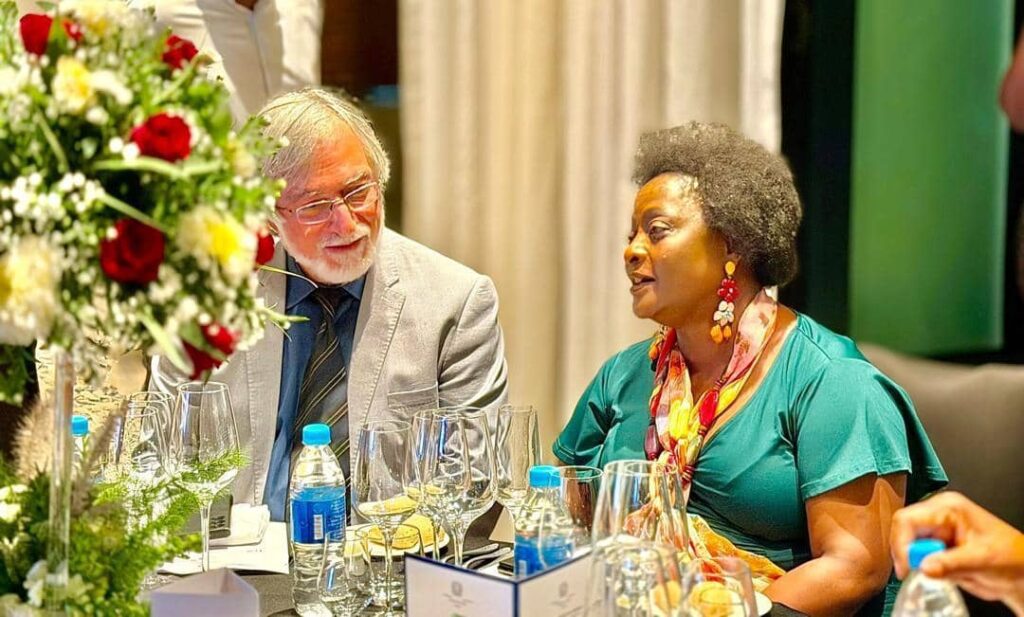
Tourism and Hospitality Industry Minister Barbara Rwodzi outlined the economic opportunities presented by gastronomy tourism when she officiated at the gala dinner celebrating the XI Edition of the Week of Italian Cuisine in the World.
“Cuisine is more than food, it is a Nation’s identity, Heritage and a powerful instrument of Cultural Diplomacy and Economic transformation,” Tourism and Hospitality Industry said an update.
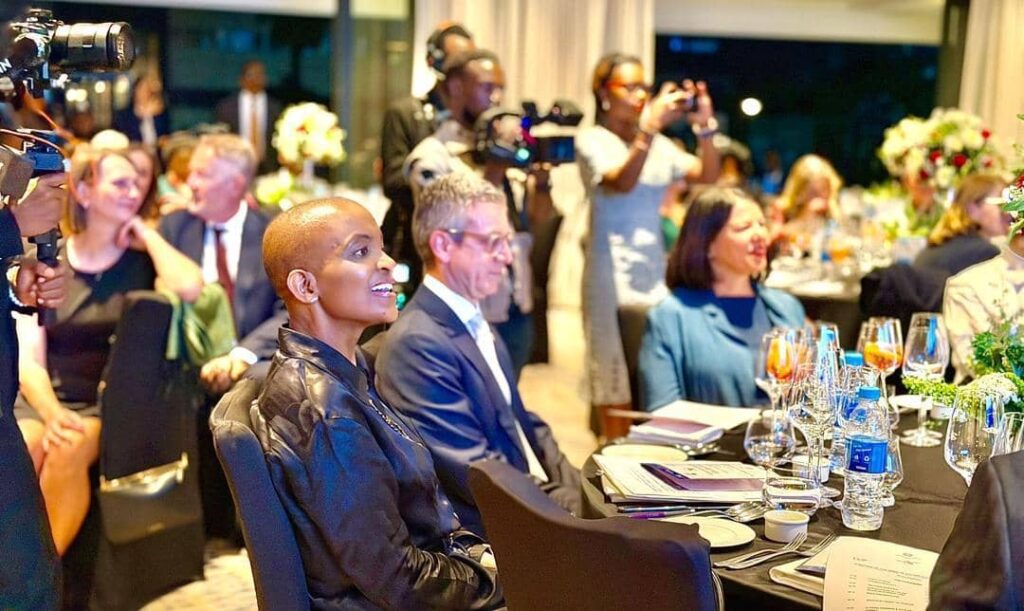
Drawing lessons from Italy’s success in having its cuisine recognised as UNESCO Intangible Cultural Heritage, Minister Rwodzi noted the importance of telling Zimbabwe’s story through its indigenous foods, grains, traditional dishes and beverages such as Mapfura wine.
She also acknowledged the inspiration of the First Lady, Dr Auxillia Mnangagwa, who is the Patron of Tourism, in championing gastronomy as a means of preserving cultural identity, promoting local cuisine and strengthening Destination Zimbabwe.
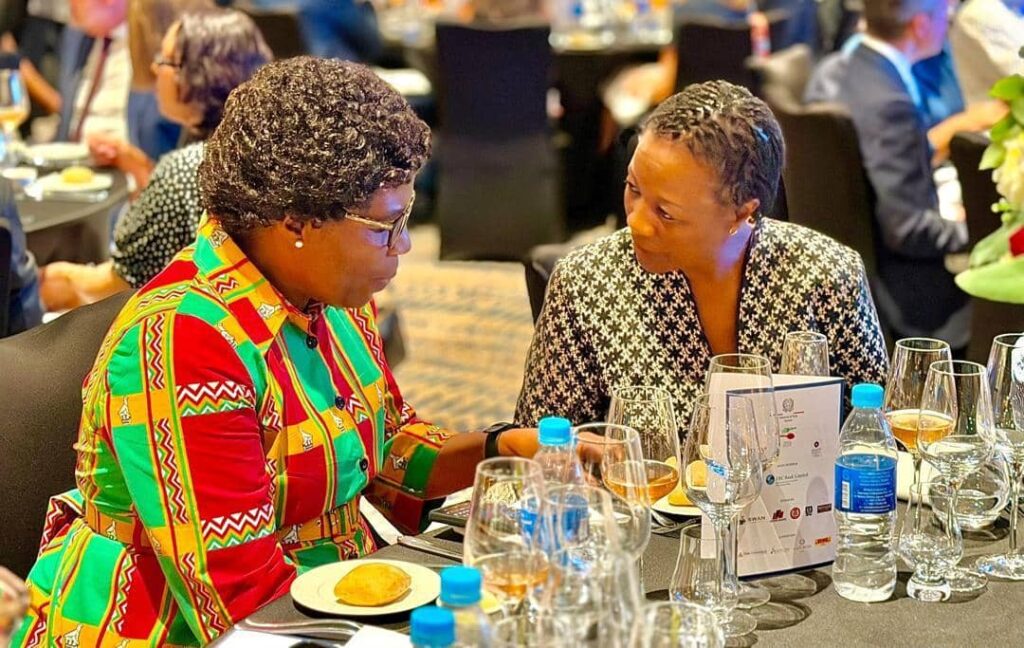
With FAO recognising Zimbabwe as the only African country to develop a dedicated National Gastronomy Tourism Strategy, the country is positioning its culinary heritage as a distinctive tourism asset.
The strategy is expected to extend tourism benefits beyond hotels and restaurants by creating stronger market linkages for farmers, women, young people and marginalised communities.
Minister Rwodzi said gastronomy tourism must generate tangible benefits across the value chain, with local producers connected to hospitality businesses through sustainable procurement and buy-back arrangements.
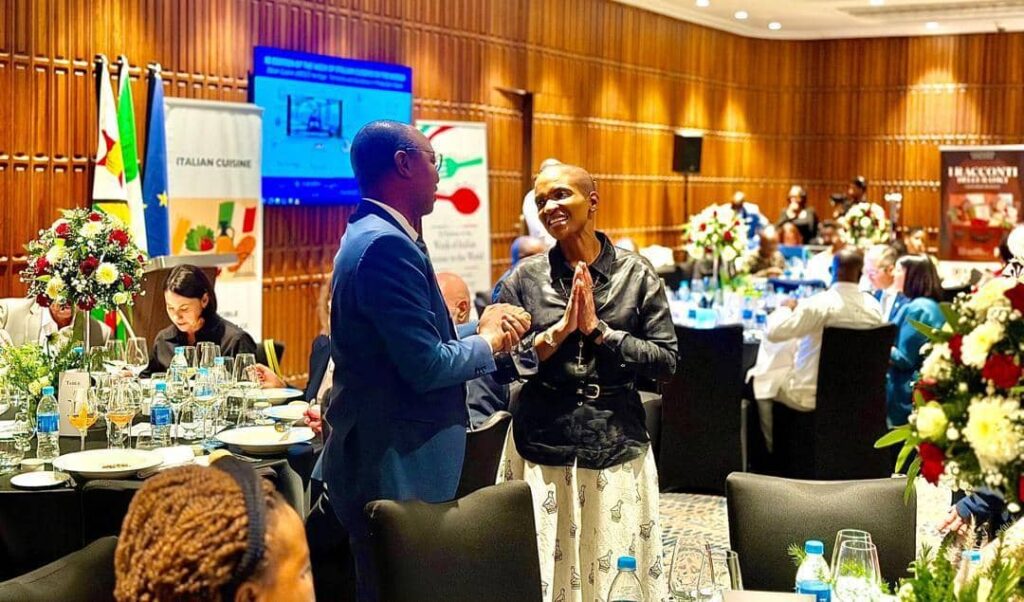
This would ensure communities benefit economically from crops and grains they produce while strengthening domestic supply chains.
With tourism contributing approximately 10 percent to gross domestic product, Government sees the strategy as part of broader efforts to accelerate economic transformation and achieve Vision 2030, the update noted.
The Minister also indicated opportunities for Zimbabwe-Italy cooperation in culinary research, innovation, skills development and value addition, which could help unlock new opportunities in food processing and tourism product development.