

 Online Reporter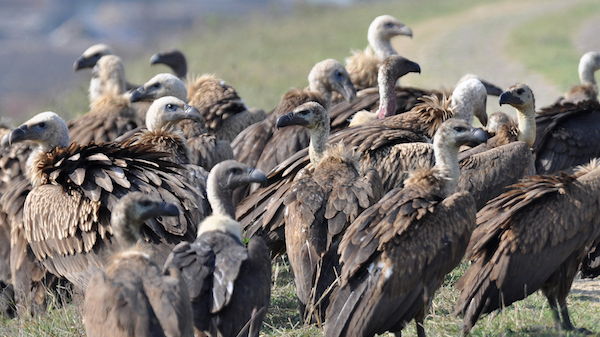
Ivan Zhakata
Herald Correspondent
Zimbabwe’s vulture population is facing growing threats from poisoning, habitat loss and illegal killing linked to traditional beliefs, amid efforts by conservationists to protect the critically endangered birds across the region.
The concerns come as eight critically endangered white-backed vultures were fitted with solar-powered satellite transmitters in Zambia’s Luambe National Park to track their movements and identify threats to their survival.
The initiative is being implemented through a partnership between the International Fund for Animal Welfare (IFAW), the Department of National Parks and Wildlife (DNPW), The Peregrine Fund, North Carolina Zoo and Nsanga Conservation.
The transmitters will track the birds for the next three to five years as they move between Luambe, Lukusuzi and the wider Luangwa Valley.
The information gathered will help conservationists establish where the vultures feed, nest and travel, while identifying critical habitats and areas requiring increased protection.
IFAW Zambia country director, Mr Moses Nyirenda, said vultures were important indicators of ecosystem health.
“Vultures are highly endangered and threatened, but at the same time vultures indicate the health of the ecosystem. By studying vultures, we will be able to monitor how wildlife species are able to move across the landscapes and therefore look at ecosystem connectivity,” he said.
The white-backed vulture is classified as critically endangered on the International union for Conservation of Nature (IUCN) Red List of Threatened Species.
Vulture species across Africa face threats from poisoning, habitat loss, belief-based use and collisions with electrical infrastructure.
The Peregrine Fund southern Africa programme director, Ms Corinne Kendall, said satellite tracking will help conservationists identify threats and establish areas where vultures were dying.
“African vultures are in a lot of trouble, largely because of pesticide poisoning,” she said.
Ms Kendall said the technology will help researchers detect mortality events and pinpoint areas where poisoning was taking place.
In Zimbabwe, vultures are also vulnerable to poisoning, particularly when they feed on carcasses contaminated with toxic substances intended to kill predators.
The birds are also reportedly killed for their body parts because of beliefs associated with their use in traditional practices.
IFAW field officer, Mr Tembwe Lungu, said some beliefs associated vultures with the ability to foresee opportunities, resulting in demand for their heads for rituals believed to bring luck or prosperity.
Such beliefs have no scientific basis, conservationists said.
The decline in vulture populations has wider environmental implications as the birds play an important role in disposing of animal carcasses and helping to limit the spread of diseases.
During the tagging exercise, conservationists assessed the birds’ age and body condition by examining their wings, heads and brood patches.
Blood samples were also collected to determine their sex and test for high concentrations of lead.
The tagging process takes less than 20 minutes, after which the birds are released back into the wild.
The project is being implemented under IFAW’s Room to Roam initiative, which seeks to secure wildlife habitats and maintain connectivity between ecosystems.
Information from the satellite tracking programme will help guide measures to protect critical habitats and address threats facing white-backed vultures in the Luangwa Valley.
The findings are also expected to contribute to wider regional conservation efforts as vultures and other wildlife move across interconnected landscapes in southern Africa.


 Bongani Ndlovu