

 Online Reporter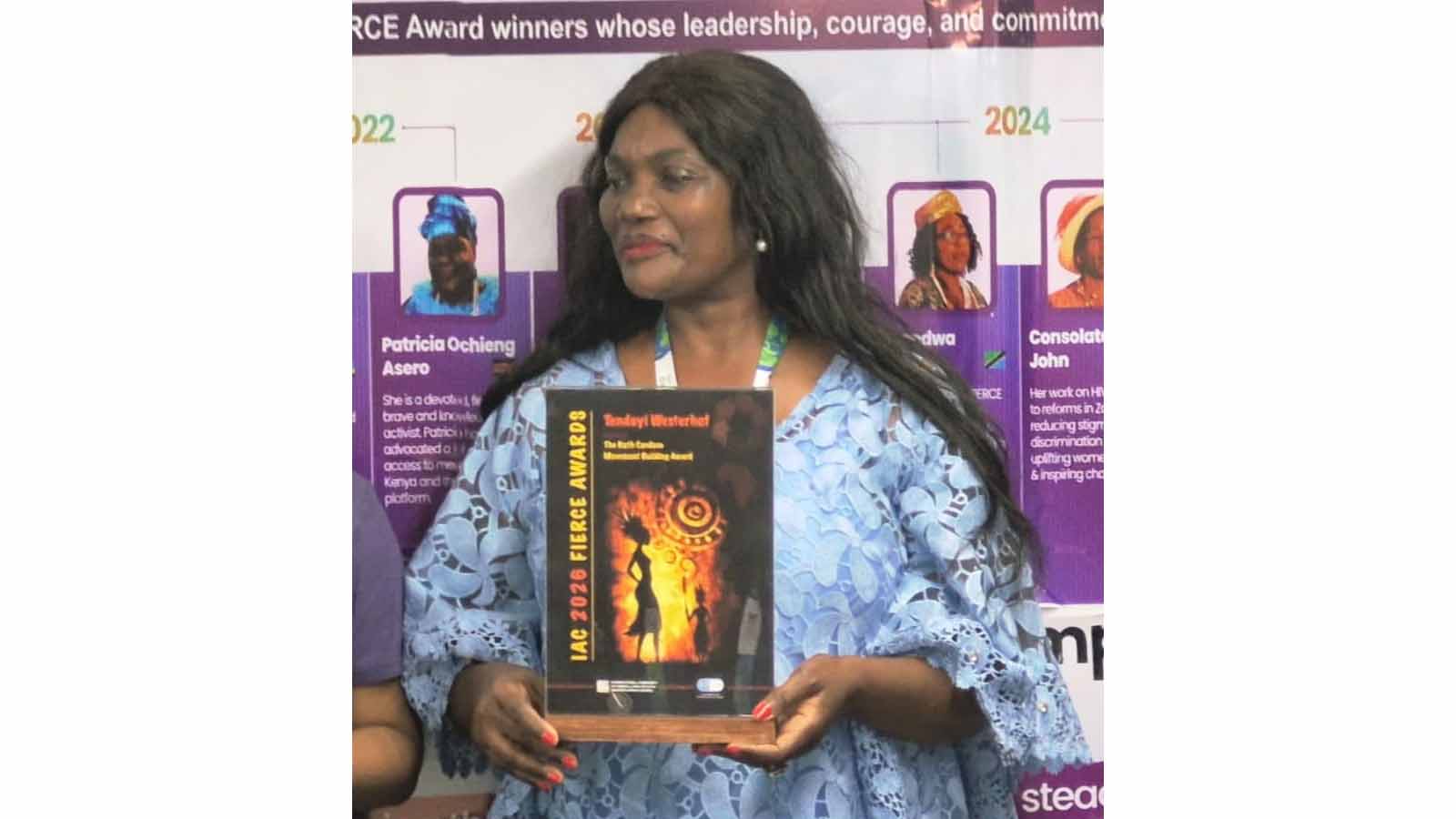
Rumbidzayi Zinyuke
Senior Health Reporter
ZIMBABWEAN HIV advocate, Ms Tendayi Westerhof, has been honoured with the Ruth Cardoso Movement Building Award in recognition of her decades-long contribution to advancing the rights, dignity and leadership of women living with HIV.
Ms Westerhof received the international award at the 26th International AIDS Conference (AIDS 2026) in Rio de Janeiro, Brazil.
Speaking after receiving the award, she said the recognition was a tribute to the thousands of women who had helped build and sustain movements for health equity, human rights and social justice.
“This award is about building a movement. It means bringing women together. It is a collective effort where women in all our diversity are mobilised and organised to fight for justice, for human rights and to ensure that we are involved in leadership whenever issues affecting our health, sexual and reproductive rights, HIV and AIDS are being discussed,” she said.
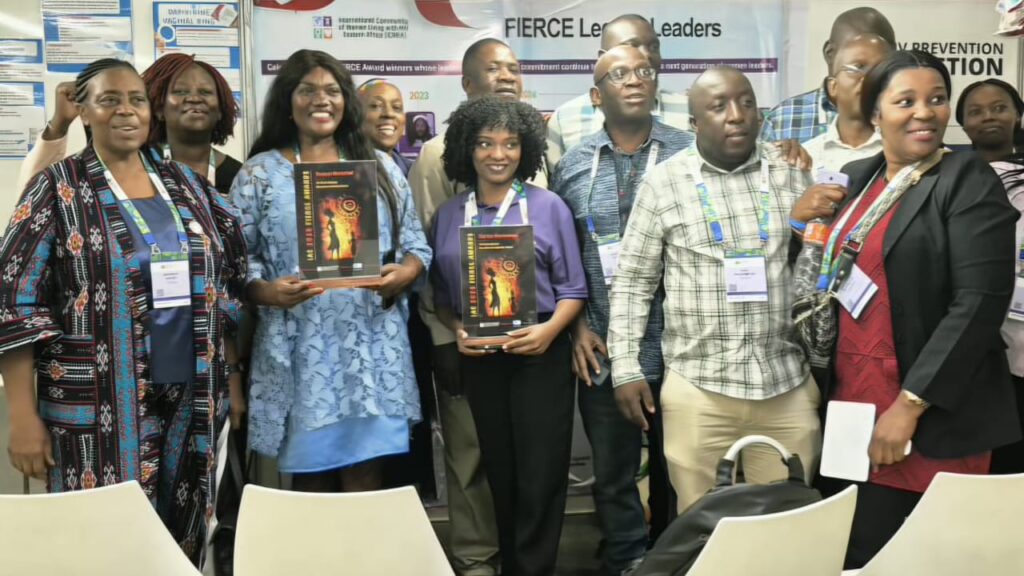
For more than three decades, Ms Westerhof has been a leading voice for women living with HIV in Zimbabwe and beyond, championing their meaningful participation in community programmes, health policies and decision-making processes.
Her advocacy has focused on ensuring that women living with HIV are not merely beneficiaries of health interventions, but play an active role in shaping programmes and policies that affect their lives.
Ms Westerhof said movement building extended beyond the HIV response and included efforts to protect women and girls from violence, safeguard their dignity and promote healthier and more inclusive communities.
“We want to create a better world free of pandemics for everyone, where the dignity and human rights of women and girls are recognised and protected,” she said.
“Advocacy requires brave people who are willing to stand the heat, be visible, be heard and lead others.”
The award comes as the global HIV response faces uncertainty following reductions in donor support, raising concerns about the sustainability of programmes that have traditionally relied on external funding.
However, Ms Westerhof urged women living with HIV and community organisations not to be discouraged, saying the early response to the epidemic had been driven largely by volunteers and grassroots activists before significant international funding became available.
“When we started the AIDS response there was no funding. Women volunteered in communities, mobilised people for HIV testing and community dialogues and advocated for services without donor support. We cannot lose heart simply because funding is becoming scarce,” she said.
She said women had initiated and led several successful community -based interventions, including community – led monitoring programmes, before such initiatives began receiving donor support.
However, she said the award was not an individual achievement, but belonged to the many women whose efforts and sacrifices had strengthened the HIV response over the years.
Her recognition highlights the central role that women-led organisations and grassroots activists have played in Zimbabwe’s HIV response, particularly in mobilising communities, promoting access to services and advancing the rights of people living with the virus.


