Chronicle Correspondent
Zimbabwe’s mining industry is facing calls to strengthen workers’ protection by addressing psychological safety, workplace intimidatione and mental health challenges, amid concerns over working conditions and the enforcement of labour rights.
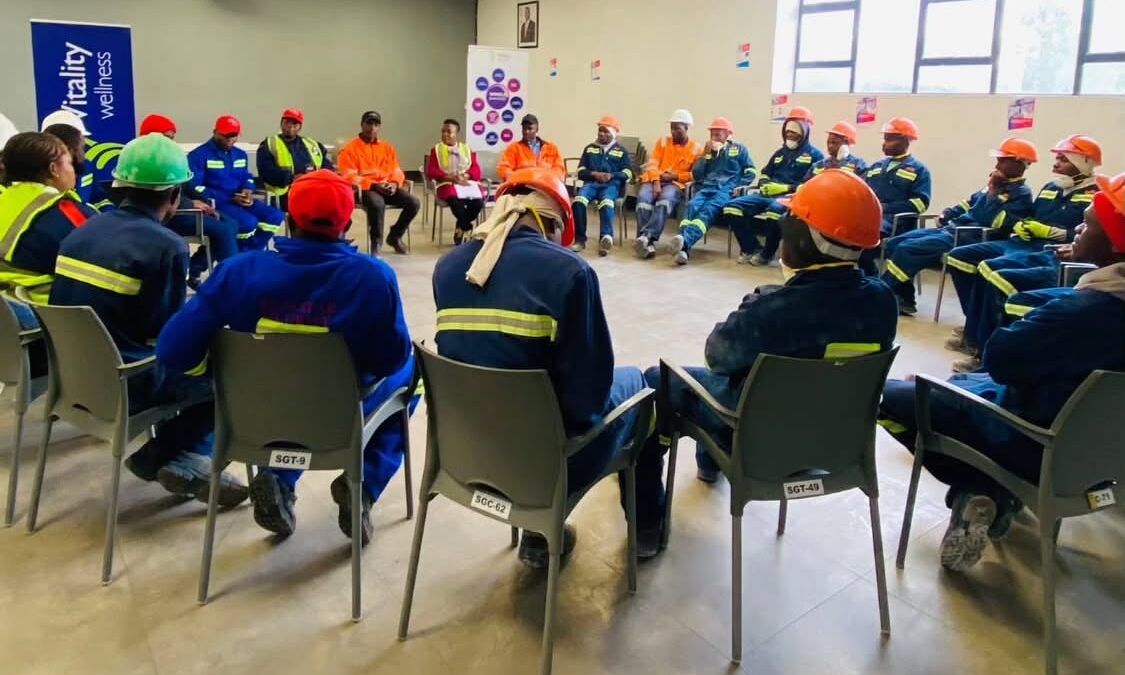
The concerns emerged following a regional training session for mining trade union representatives from Zimbabwe, Zambia and South Africa, organised by the Competence Centre for Human Rights and Due Diligence in Johannesburg.
Industrial and Occupational Psychologist and Vitality Wellness Lead and Managing Consultant Edith Maziofa-Tapfuma, who facilitated the training, said creating safe workplaces requires employers to uphold their duty of care while ensuring workers’ representatives are equipped to safeguard employees’ rights and wellbeing.
Maziofa-Tapfuma said the discussions focused on promoting safeguarding and protecting decent work principles.
“These principles are universal. The focus was on promoting safeguarding and protecting decent work principles, the duty of care of employers to provide safe workplace environments and the responsibility of shop stewards,” she said.
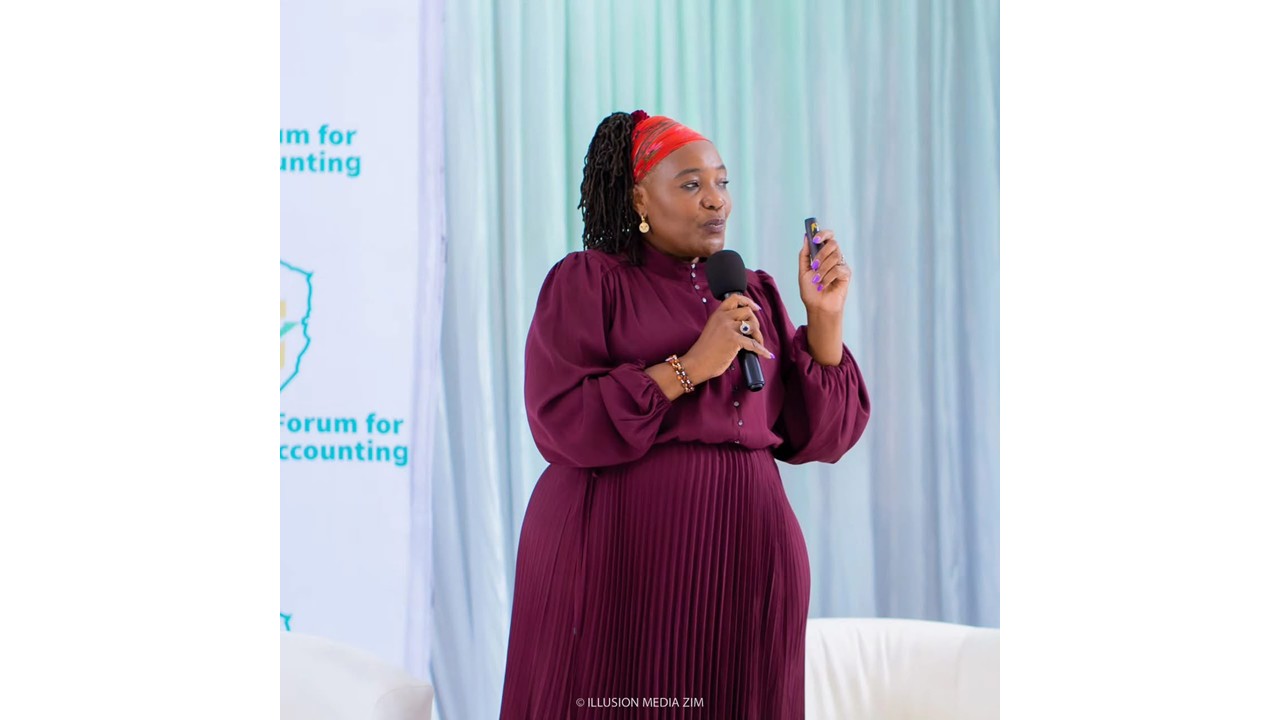
She also highlighted the importance of psychological safety, particularly creating workplaces where employees can raise concerns, report risks and express themselves without fear of intimidation or victimisation.
She said psychologically safe workplaces enable employees to report risks early, improve performance and contribute to better organisational outcomes.
Meanwhile, the Zimbabwe Diamond and Allied Minerals Workers Union (ZDAMWU) has called on mining companies to strengthen mental health support for employees, warning that excessive working hours, inadequate salaries and fear of victimisation are undermining workers’ psychological wellbeing.
ZDAMWU Secretary General Justice Chinhema said although some mining companies had introduced counselling services and mental health awareness programmes, such initiatives were not yet widespread across the industry.
Citing Zimplats as one of the companies making efforts to provide counselling services and raise mental health awareness, Chinhema said research and reports from mining areas such as Hwange pointed to gaps in the management of workers’ mental health.
He argued that mental health should be recognised as an integral part of occupational safety and health, adding that pressure to increase production should not come at the expense of employees’ wellbeing.
Chinhema also raised concern over working arrangements that require some employees to work beyond the standard eight-hour shift, saying prolonged working hours, coupled with inadequate remuneration, contribute to psychological distress.
The union is demanding a living wage of between US$650 and US$1 000, arguing that workers need adequate incomes to meet their basic needs and maintain their mental wellbeing.
Chinhema further alleged that some workers face threats or dismissal after raising workplace grievances, particularly those employed on short-term contracts.
He called for stronger protection of employees who report workplace concerns and urged mining companies to establish confidential reporting channels, including alternatives for workers whose immediate supervisors are implicated in complaints.
The union also wants employers to work more closely with trade unions in handling workplace grievances, promoting counselling and addressing psychological hazards rather than automatically resorting to disciplinary proceedings.
Chinhema said the effectiveness of workplace mental health policies should be measured by whether employees can raise concerns, receive fair responses and remain protected from retaliation.
He said ZDAMWU would continue engaging mining companies and Government to ensure workers’ rights and welfare are protected.
The concerns place greater responsibility on mining companies to ensure that occupational health and safety measures extend beyond preventing physical injuries to addressing mental wellbeing, dignity and freedom from intimidation.
The Chamber of Mines of Zimbabwe has a Safety, Health and Environment Committee which engages on occupational safety and health issues within the mining industry.