Doris Mpala
Agriculture Correspondent
THE Zimbabwe National Water Authority is stepping up drought mitigation measures through dam construction, borehole drilling and irrigation expansion to cushion the country against anticipated low rainfall during the 2026/27 agricultural season.
This came out at the Zimbabwe Agriculture Climate Resilience Summit organised by Zimpapers and held at the Zimbabwe Agriculture Society’s exhibition grounds in Harare recently.
Zimbabwe is expecting low rainfall this summer season due to the likelihood of a strong El Niño climate phenomenon, which may affect the performance of agriculture, a key economic sector for the country.
Agriculture is strategically important in Zimbabwe because it serves as the backbone of the economy, directly driving rural livelihoods, food security, manufacturing, and foreign currency earnings.
The sector accounts for an estimated 11 percent to 15 percent of the country’s gross domestic product, depending on the rainfall pattern of a particular season.
The last major severe drought in Zimbabwe occurred during the 2023–2024 agricultural season, prompting President Mnangagwa to declare a National State of Disaster.
The El Nin-induced drought, which decimated more than 70 percent of the rainfed crops, cut Zimbabwe’s 2024 economic growth projection down to 2 percent from about 6 percent recorded in 2023.
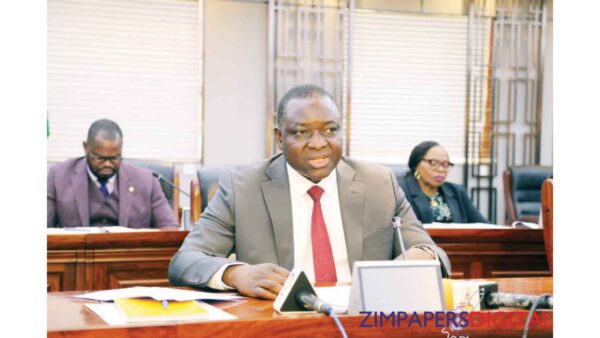
In his presentation, ZINWA data and research manager Mr Nyashadzashe Viriri said the country’s dam water levels were low as the new hydrological season coincided with the beginning of the summer cropping season.
Mr Viriri said the country anticipated limited inflows into dams during the upcoming rainy season, making it necessary to strengthen existing water management strategies to ensure adequate supplies for domestic use, livestock and agriculture.
“Normally, we expect the dam levels to be around 62 percent at the end of the rainfall season. This time, as we embark on winter programming and winter cropping, we anticipate that the bulk of the water will be utilised,” he said.
He said dam construction was one of the major strategies being implemented to mitigate the effects of drought by storing excess runoff during seasons of good rainfall for use during dry periods.
“The essence of dam construction is basically to capture water during years when we have excess runoff or good rainfall seasons. This will go a long way in mitigating the expected rainfall challenges,” he said.
Mr Viriri said ZINWA was also intensifying borehole drilling, particularly in dry areas, to improve access to water for domestic consumption and livestock production.
He said more than 6 000 boreholes had been drilled under the Government’s development programme, with priority being given to communities facing water shortages.
The authority is also targeting the expansion of irrigation infrastructure, particularly around underutilised dams, with approximately 113 000 hectares identified for development to boost agricultural production.
Mr Viriri said effective water management was equally important, urging users to register with ZINWA to enable the authority to regulate releases and ensure the sustainable utilisation of the resources.
He said the authority was also working on rehabilitating community boreholes and water points through the Rural Water, Sanitation and Hygiene (WASH) programme.
Meanwhile, ZINWA has 12 dam projects at various stages of construction, with the completion of Gwayi Shangani Dam and Kunzvi Dam among its key priorities for the year.
“Gwayi-Shangani Dam is now almost 82 percent complete, while the Kunzvi Dam project is at 76 percent completion,” he said.
Mr Viriri said the ongoing infrastructure projects were expected to strengthen the country’s water security and improve resilience to future droughts, while supporting agricultural productivity and national development.