Patrick Chitumba [email protected]
THREE farmers in Zvishavane have built their own homes using proceeds from a community agricultural enterprise, a development that reflects how irrigation-supported farming is helping rural households improve their livelihoods and strengthen food security.
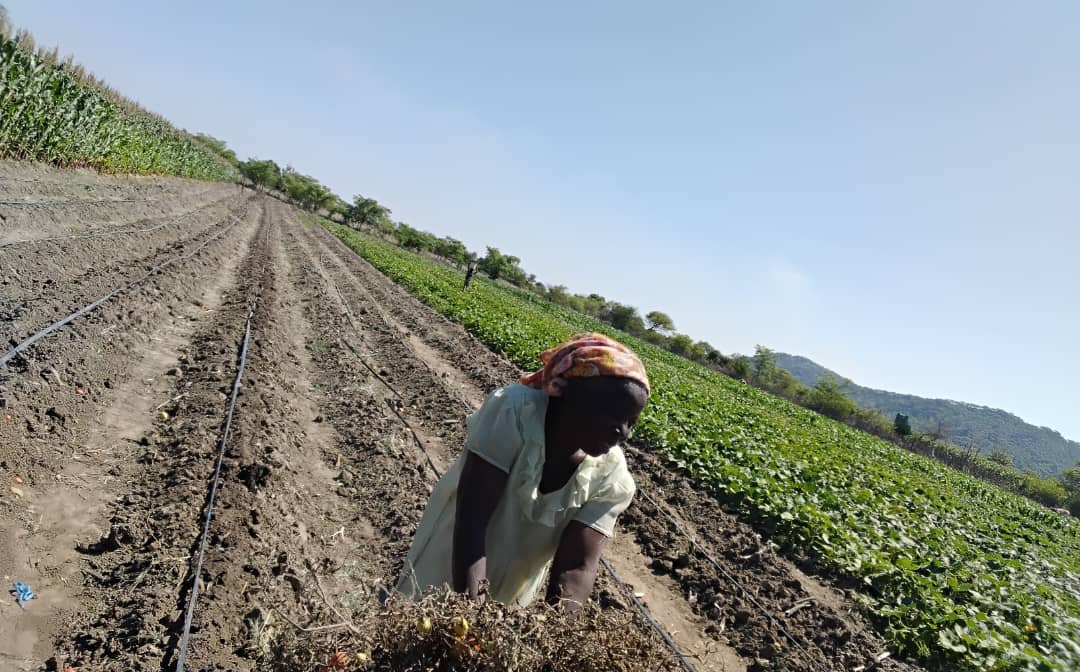
The three are among 21 members of Bindureupenyu Village Business Unit (VBU) in Ward 6, near Chief Mapanzure’s homestead, where farmers are producing a variety of crops throughout the year for household consumption and sale.
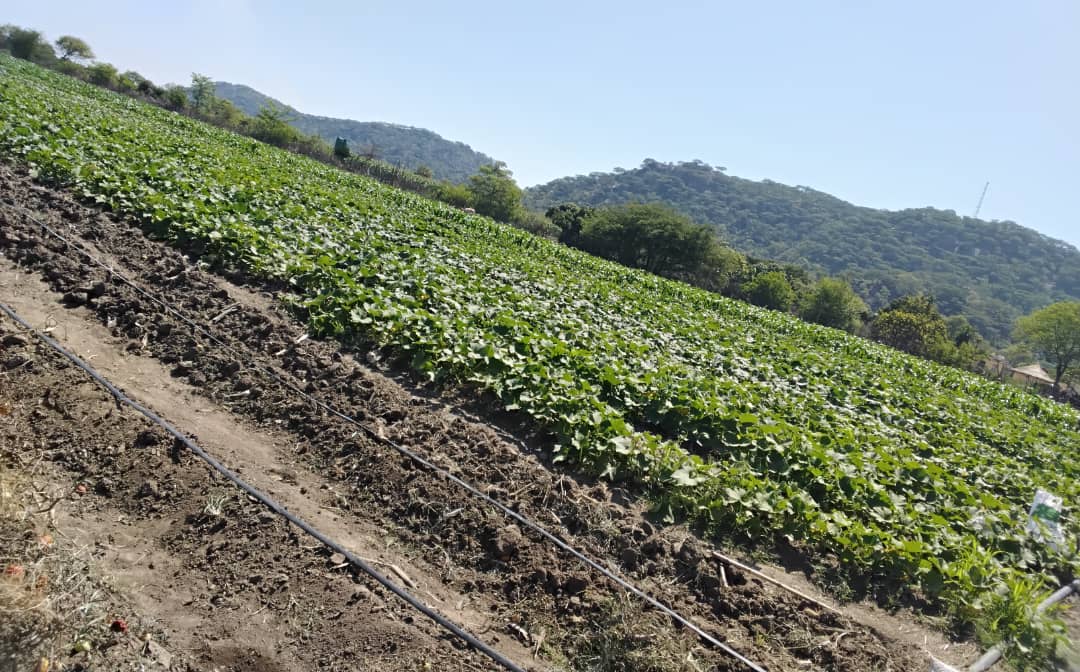
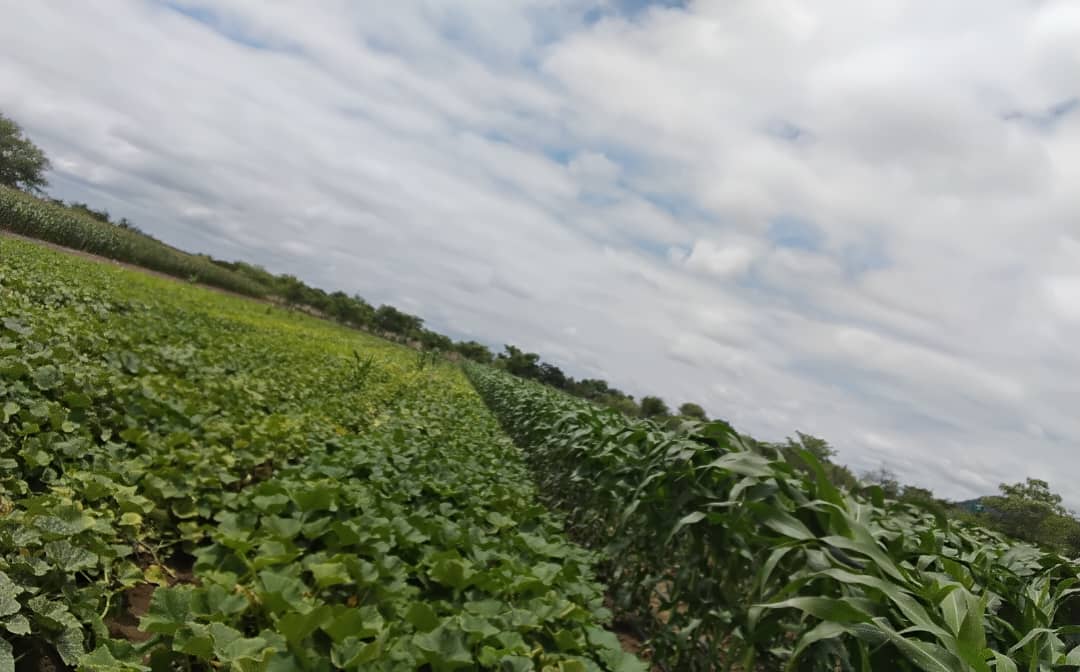
Established in 2024, the enterprise has brought together 16 women and five men who are growing green mealies, butternuts, tomatoes, beans, potatoes and sweet potatoes using irrigation facilities.
The proceeds are helping members meet household needs, pay school fees, acquire farming equipment and improve their living conditions, while access to diverse crops is contributing to better nutrition.
The initiative demonstrates the potential of community-based agricultural enterprises to turn smallholder farming into a source of regular income, particularly in rural areas where unpredictable rainfall can undermine production.
The national rollout of village business units is part of the Government’s Rural Development 8.0 strategy, which seeks to transform rural communities into productive economic centres through agricultural development, rural industrialisation and value addition.
Zvishavane District Agritex officer, Mrs Ellen Chibi, said solar-powered borehole systems and drip irrigation were enabling farmers to maintain production even during periods of reduced rainfall.
“Our Village Business Units are expected to improve food supplies within communities because of the availability of solarised borehole irrigation systems and drip irrigation. Even during the projected dry spells, we are confident that farmers will continue producing,” she said.
Agritex supervisor Ms Theresa Mbanda said the diversity of crops grown at Bindureupenyu was supporting both household consumption and commercial production.
“The proceeds from their agricultural activities are enabling members to improve their livelihoods, build houses, purchase farming implements and household utensils, as well as pay school fees for their children,” she said.
Ms Mbanda said farmers were also reporting improvements in their diets as they gained access to a wider variety of food.
VBU chairperson Mr Douglas Svusvu said the enterprise had created opportunities for members to work collectively and improve their economic circumstances.
He said the group was diversifying beyond crop production, with broiler production among the activities being pursued to broaden income streams and strengthen the business unit.
“This VBU is transforming lives. We are able to improve food supplies for our families. As we reflect on the President’s Vision 2030, we are also working towards achieving even greater results through this enterprise,” said Mr Svusvu.
One of the beneficiaries, Mrs Martha Badza, said the ability to rotate crops throughout the year had made farming a more dependable source of livelihood.
“Despite my age, I am contributing to this VBU because of the benefits it brings. After harvesting maize, we plant butternuts and tomatoes for the market. This is a sustainable enterprise. We farm throughout the year, and it provides us with livelihoods,” she said.
Another member, Mrs Sarudzai Shumba, said she had managed to build a two-roomed house through income generated from the project.
“Through this VBU, I have managed to build a two-roomed house. Three of us have already managed to establish homes through the project. We are now working towards setting up a beef enterprise,” she said.
Mrs Shumba said reliable water supplies would remain critical to sustaining production and expanding the business.
“The project gives us the strength to push forward. As long as we have water supplies, we will continue producing crops,” she said.
Another member, Mrs Vimbai Siziba, said the enterprise demonstrated how organised smallholder farmers could use agriculture to improve household food supplies, generate income and invest in further economic activities.