admin
admin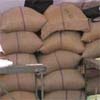
season in April.
GMB general manager Mr Albert Mandizha yesterday told The Herald that Masho-naland West province had so far made the most outstanding deliveries.
The peak delivery period is between July and October.
“It may be too early to give a correct summation of the delivery patterns at the moment as the season is still in its infancy. We however expect deliveries to start picking momentum,” he said.
Mr Mandizha said the grain that was delivered in the past two weeks had triggered the payment process and farmers would soon be getting their money.
He also repeated his call for farmers to send their grain to the GMB where there is no risk of being ripped off by unscrupulous buyers.
“Delivering to the GMB will also promote the Strategic Grain Reserves, which enhances food security, peace and development in the country. Farmers must also ensure that they deliver grain with a moisture content of not more than 12,5 percent to promote safe and easy storage,” said Mr Mandizha.
GMB will this year collect more than 291 000 tonnes of maize for the SGR based on 20 percent of the projected 1 451 629 maize tonnage plus a reasonable tonnage of small grains harvest from the current season.
In a recent statement, chairman of the GMB board, Mr Charles Chikaura said this would enhance GMB’s capacity for sustainable drought mitigation throughout the country.
He also revealed that GMB had crafted a budget consistent with the implementation of a strategic plan that had been approved by the board of directors to give support for a full strength SGR at the current stock level of 500 000 tonnes of maize.
The GMB was established in terms of the Grain Marketing Act [Chapter 18:14] to ensure national food security through the creation and effective management of the SGR.
It also provides storage, handling and processing facilities for controlled products as and when so designated, importation and exportation of cereals and grains, as well as to intervene decisively to anticipate and, where necessary, manage national food emergencies.
“GMB will continue to be the buyer of last resort providing a ready market for farmers for all grains,” said Mr Chikaura.



 Online Reporter