Chronicle Editor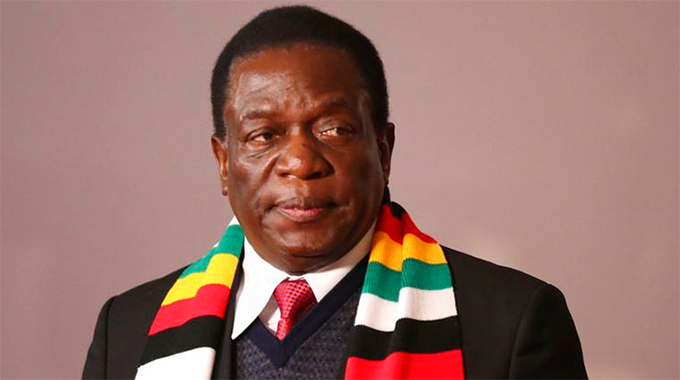
Nqobile Tshili, [email protected]
GOVERNMENT is targeting 100 percent electricity access to all households in the next seven years with 54 percent of the population having power access at the moment.
Since coming to power, President Mnangagwa has made concerted efforts to address power challenges in the country.
The country in July suspended load shedding following the rehabilitation of Hwange Unit 7 and 8.
Speaking during his inauguration President Mnangagwa said following the successful commissioning of Hwange Unit 7 and 8, his Government will now shift focus towards rehabilitating Hwange Unit 1 to 6.
Apart from that, the Government is constructing dams countrywide and plans are on course to construct hydropower stations at each dam.
Furthermore, Government is investing in the construction of solar energy plants which has seen even some rural communities having access to power.
The private sector is also complementing Government through the construction of solar energy plants within their organisations.
Speaking on behalf of President Mnangagwa at the ongoing Africa Climate Summit being held in Kenya, Lands, Agriculture, Water and Rural Development Minister Dr Anxious said Zimbabwe is committed to mitigating the adverse impact of climate change.
He said Zimbabwe has set an ambitious economic target to reduce greenhouse gas emissions by 40 percent per capita, below the projected business-as-usual scenario by 2030 while increasing investment in the energy sector.
“Zimbabwe has 54 percent electricity access and plans to achieve universal access to electricity services by 2030. Zimbabwe is accelerating investment in renewable energy such as geothermal, wind, hydro and solar which now contribute about 40 percent of Zimbabwe’s energy mix and we plan to increase to 60 percent by 2025,” he said.
“While Zimbabwe continues to use coal, we have now incorporated technologies that increase coal use efficiency, while containing the use of diesel in the stabilisation of the old coal-fired units and replacing these with plasma technology. Huge capital investment is required to fuel transition to hydro-power.”
Dr Masuka said the summit was critical for the continent considering that climate change is retarding economic development on many fronts.
“The Southern African region, for example, has increased frequency of droughts, heat waves, destructive tropical cyclones, floods, and other severe weather events. These climate catastrophes have claimed many lives, damaged infrastructure, displaced people and retarded development,” said Dr Masuka. “Zimbabwe dedicates a substantial amount of its limited resources to provide appropriate response measures to these calamities, including building early warning systems and investing in climate-proofing and disaster risk reduction.”
-@nqotshili



 Online Reporter