Conrad Mupesa
Mashonaland West Bureau
RESIDENTS of Chinhoyi’s Gadzema suburb are beginning to enjoy improved access to water following a major overhaul of the town’s water reticulation system, after enduring more than two decades of erratic supplies.
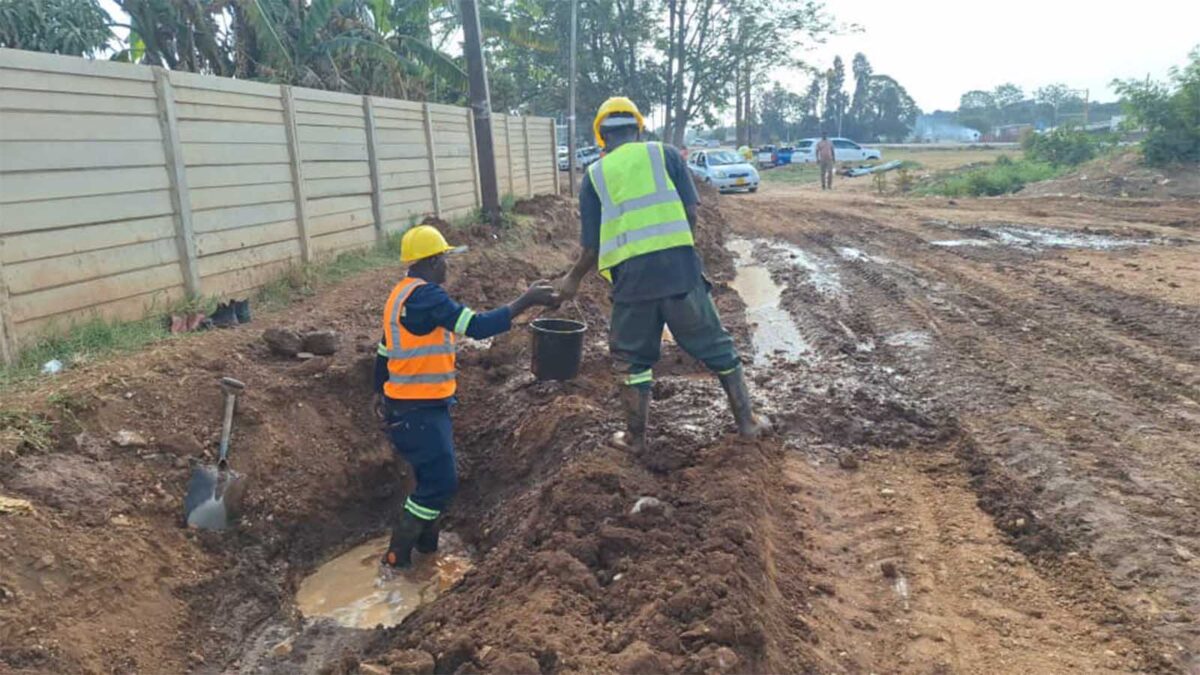
The ongoing project has already benefited more than 4 000 households and involves replacing 105 kilometres of ageing asbestos-cement pipes with modern polyvinyl chloride (PVC) pipes in a three-phase programme aimed at improving water availability and reducing losses.
The initiative is among the infrastructure development projects being undertaken ahead of the 23rd Zanu PF National People’s Conference, which is being held at Chinhoyi University of Technology this week.
For 73-year-old Ms Anna Chindaru of Gadzema, the ongoing works have brought relief after years of unreliable water supplies disrupted everyday household activities.
Speaking to Zimpapers on the sidelines of a tour of some benefiting households on Wednesday, Ms Chindaru said residents previously received municipal water for only a few hours twice a week, forcing them to rely on alternative sources.
“We have been struggling for over two decades, receiving water twice a week for two hours, and we were assisted by nearby industries that use boreholes. After the revamp, we have been receiving water throughout the day,” she said.
Her experience reflects the challenges faced by residents who have had to contend with intermittent supplies, making basic domestic activities difficult.
Another resident, Mr Tapiwa Banda, said improved water pressure and clarity had restored their confidence in the municipal supply.
“At last, we can use our showers to bathe because the water pressure has increased, while the water is also clearer than it was before the work was done,” he said.
The improvements follow the engagement of Helcraw Water by Chinhoyi Municipality to rehabilitate and expand the town’s water supply infrastructure.
Chinhoyi Municipality engineer, Mr Simon Marara, said the first phase involved replacing 105km of asbestos-cement pipes that had exceeded their useful lifespan and were contributing to significant water losses through leakages.
“The pipes had become obsolete, and we were incurring huge losses. We need to harness those losses for productive use by ensuring that more water reaches our residents,” he said.
“Phase One involves replacing 105 kilometres of asbestos-cement pipes with PVC pipes of various sizes.”
The first phase is expected to run for 10 months, with approximately 10km of the network targeted for replacement each month.
Mr Marara said the second phase, provisionally scheduled to begin in December, would expand water treatment capacity from the current 22 megalitres per day to 58 megalitres per day.
The phase is expected to run until August 2027, bringing the town closer to meeting its estimated daily demand of 64 megalitres.
The third phase will further expand the system’s capacity towards the targeted 84 megalitres per day.
Helcraw Water chairman, Mr Farai Jere, said the company was committed to delivering the project and ensuring that residents benefited from a more reliable supply.
“This suburb, which is behind me, has not had reliable water for the past 20 years. We are replacing the asbestos pipes with PVC pipes, and water is already reaching these households. More than 4 000 households have benefited from the programme so far,” he said.
Mr Jere said the project supported the country’s development aspirations under Vision 2030 by improving access to clean and reliable water.
He added that a consistent supply would give households greater control over their water consumption while reducing their dependence on alternative sources.
The works come against the backdrop of the Government’s Call to Action: No Compromise to Service Delivery initiative, launched by President Mnangagwa in 2023, which seeks to improve the performance of local authorities and strengthen the provision of essential services.
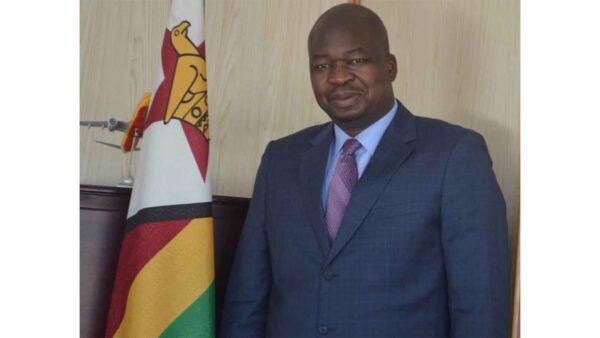
Local Government and Public Works Deputy Minister Engineer Benjamin Kabikira, who toured the project alongside his counterpart Deputy Minister Albert Tawanda Mavhunga, said the rehabilitation of ageing infrastructure was critical to improving water availability and protecting public health.
“As Government, we are concerned about the water our citizens consume, which has to be clean and potable. We are happy with the work Helcraw Water is doing here in Chinhoyi.
“Water challenges have been perennial in the town because of ageing pipes. This saw the municipality losing about 60 percent of its treated water through leakages,” he said.
Eng Kabikira said Government was pursuing the replacement of ageing asbestos-cement and steel pipes in urban centres across the country, including Harare, as part of broader efforts to improve water supply systems.
Meanwhile, Chegutu Municipality has also expressed interest in partnering Helcraw Water to improve its water supply infrastructure.
Like many urban centres grappling with ageing water and sanitation systems, Chegutu has faced public health challenges, including cholera outbreaks, underscoring the importance of reliable water supplies and sound sanitation infrastructure.
For Gadzema residents, however, the immediate benefit is already being felt at household level, where a more consistent supply is easing the daily burden of securing water for basic needs.