

 Chronicle Editor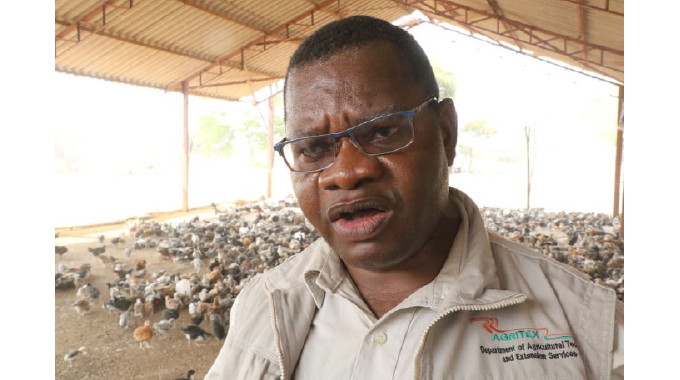
Sukulwenkosi Dube-Matutu, Matabeleland South Bureau Chief
FARMERS in Matabeleland South province have been urged to utilise dams in the area to venture into smart commercial fish farming projects in line with Government’s rural industrialisation drive.
Under smart fish farming, farmers use cages to enclose their fish within a certain portion of a dam. The farmers feed their fish and keep records. In Matabeleland South province farmers are mostly operating fishing clubs. They capture fish from dams using nets and they sell them without necessarily farming them. Some farmers that are practising fish farming at a small scale have established small fishing ponds which can hold a small number of fish.
In an interview, Agricultural Rural Development and Advisory Services (ARDAS) chief director, Professor Obert Jiri said the country has 10 700 water bodies and most are underutilised. He said while Government has put in place measures to promote fish farming, farmers have to come up with initiatives.
“As Government, we are urging farmers to engage in commercial fish farming. In an average cage, a farmer can keep up to 20 000 or 25 000 fish which can give an income of up to US$30 000 a year which is unbelievable. Investment in such cages can require about US$6 000 and from there it’s just feeding and waiting for the fish to mature. This is very low hanging fruit for the farmers, particularly those who wish to venture into smart fish farming and smart investment,” he said.
“We have a variety of arrangements that we can have with financiers and with off-takers so that this system is intact when it comes to farming. As Government, we are promoting cage culture in fish farming where farmers can realise income by utilising the natural resource which is water.”
He said some farmers in the province were practising smart commercial fish farming which was a sign of agricultural transformation. Prof Jiri said it is pleasing to see black farmers venturing into projects that were previously dominated by white people.
“The country has 10 700 water bodies which are not being fully utilised and if these are fully utilised livelihoods will improve thereby assisting in the attainment of Vision 2030. We have to utilise our natural resources to eradicate poverty within households, especially in rural areas,” said Prof Jiri.
The government has increased the number of dams in Matabeleland under the Presidential Fisheries Programme to 122 from an initial 12 as the Second Republic seeks to achieve a 60 million fingerlings mark by 2025.
Under the scheme, 50 000 farmers across the country will benefit.
Before the programme, the Matabeleland region had just over 20 fish farmers, but the number has since increased to 130 with more expected to come on board as interest in fish farming continues to increase due to Government’s bold move to promote the industry.
The programme will also see the country increase its annual fish production from 20 000 tonnes to 60 000 tonnes.–@DubeMatutu



 Online Reporter
 Bongani Ndlovu