Online Reporter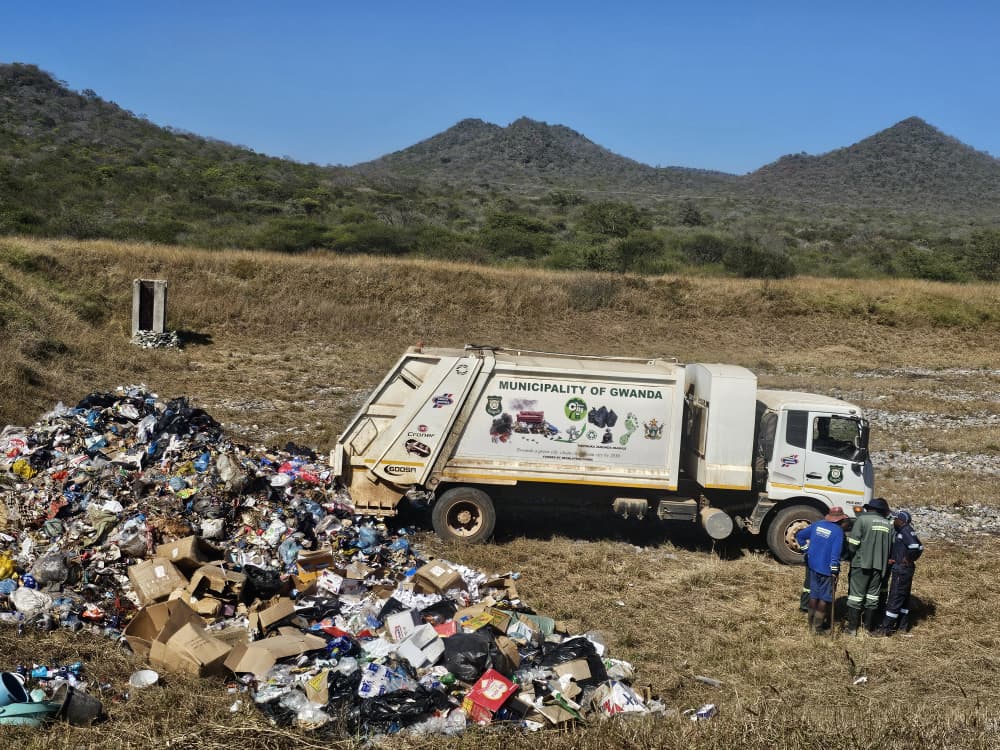
Sukulwenkosi Dube-Matutu, [email protected]
For more than a decade, people living near Gwanda’s old dumpsite endured a daily struggle. Thick smoke hung in the air, flies invaded homes, and the smell of waste became part of everyday life. Children played near dangerous rubbish, while baboons often strayed into nearby homes in search of food. For many residents, it was a situation they had long hoped would change.
That change has finally begun.
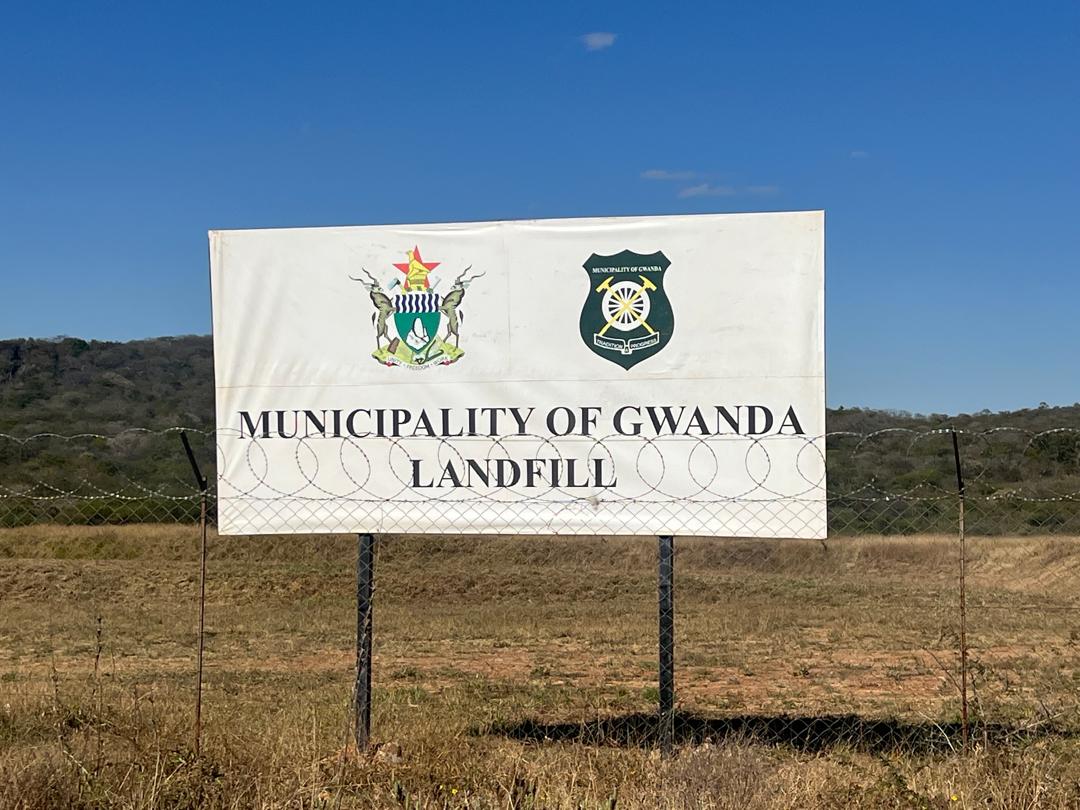
On Monday, Gwanda Municipality started moving waste from the old dumpsite to a new landfill located about seven kilometres outside the town. The move marks a major step forward in improving waste management and living conditions for residents.
It also signals Gwanda’s ambitions to become a modern, clean town as it works towards attaining city status by 2030.
For years, the town relied on an illegal dumpsite near the Garikai/Hlalani Kuhle suburb. The site sat just a short distance from people’s homes and close to Joshua Mqabuko Nkomo Polytechnic.
It had been condemned 13 years ago because of its location, but the municipality had no alternative place to take its waste.
In 2015, a new landfill that met environmental standards was built with the support of World Vision Zimbabwe. The project was completed between 2015 and 2017, but it could not be used because the council did not have the equipment needed to run it.
Running a proper landfill requires heavy machinery such as compactors, bulldozers, excavators, and specialised trucks. Without these, waste cannot be properly managed and simply piles up.
Recently, the municipality managed to acquire the necessary equipment, often referred to as “yellow machines”, making it possible to finally begin using the new site.
On Monday, waste removal trucks started transporting refuse to the new landfill, clearing the way for the old dumpsite to be shut down.
Gwanda Mayor, Alderman Thulani Moyo, described the move as long overdue.
“We have started moving waste to the new landfill. We took long, but finally we did it. We now have compactors and yellow machines to deal with waste. This will go a long way in making our town clean,” he said.
He said improving waste management is a key part of Gwanda’s plans to modernise.
Like many growing towns, Gwanda is looking to improve its infrastructure and services, and proper waste management is seen as essential to that goal.
“The landfill was built with the support of a non-governmental organisation World Vision-Zimbabwe.
Because of development in town, residential areas became close to the old dumpsite. We had to move it urgently. The old site was also an eyesore for travellers on the Bulawayo-Beitbridge Highway and for students at Joshua Mqabuko Polytechnic,” said Alderman Moyo.
The relocation also means the old dumpsite will no longer be used. Authorities have already put up notices warning residents and businesses against dumping waste there.
The mayor said while the council is taking the lead, residents also have a role to play in keeping the town clean.
“For us to achieve improved waste management, the council must play a leading role. But we will also engage residents across town so they adopt proper waste disposal and recycling. This will reduce the amount of litter that goes to the landfill. We have the infrastructure and equipment required to manage waste efficiently. This is Gwanda moving forward,” he said.
He added that the municipality will begin awareness campaigns in schools, churches and communities to teach people better ways of handling waste. These include separating rubbish, recycling plastics and bottles, and avoiding littering.
For many residents, the move cannot come soon enough.
Mrs Thubelihle Phiri, who lives near the old dumpsite, said people had suffered for years.
“This is a relief to us because for a long time we have waited for this dumpsite to be moved. We were suffering. Every day we were choked by dark clouds of smoke. The dumpsite was also a health threat for children. Children would go there and play. Sometimes they pick up things like condoms and put them in their mouths without knowing what it is. Such a place should not be near homes”.
Businesses in the area were also affected.
Mr Brian Nyoni, who runs a food outlet in the Garikai/Hlalani Kuhle suburb, said the presence of the dumpsite made it difficult to operate.
“It has been difficult to sell food because of flies coming from the dumpsite. Customers would run away. It is a huge relief to have the dumpsite moved,” he said.
Baboons were another problem for residents. Drawn by food waste, they often left the dumpsite and entered nearby homes, damaging property and creating fear in the community. Some were even seen on the polytechnic campus.
The new landfill is expected to address many of these problems.
Unlike open dumpsites, modern landfills are carefully designed to protect both people and the environment. Waste is compacted and covered with soil daily to reduce smells and prevent pests.
Systems are also put in place to monitor harmful substances that could affect the soil or underground water.
These facilities are built away from homes and environmentally sensitive areas, and they are closely managed to meet safety standards.
By moving to the new landfill, Gwanda is aligning itself with modern waste management practices used in many towns and cities around the world.
The development also supports Matabeleland South’s “Zero Waste” campaign, which was launched last year under the theme: “The Globe is Our Home – Zero Waste, My Responsibility”.
The campaign encourages communities to reduce waste, reuse materials where possible, and recycle.
For Gwanda, this is more than just a change of location for dumping waste. It is part of a bigger shift towards better planning and cleaner living.
City status, which the town hopes to achieve by 2030, is not just about growth in size. It also depends on the quality of services provided to residents. Clean streets, proper waste disposal, good roads and safe environments all play a part.
With the opening of the new landfill, Gwanda has taken an important step in that direction.
After 13 years of living with smoke, flies and constant discomfort, residents near the old dumpsite can now look forward to cleaner air and a healthier environment.
For them, this is not just a development project — it is a long-awaited relief.