Online Reporter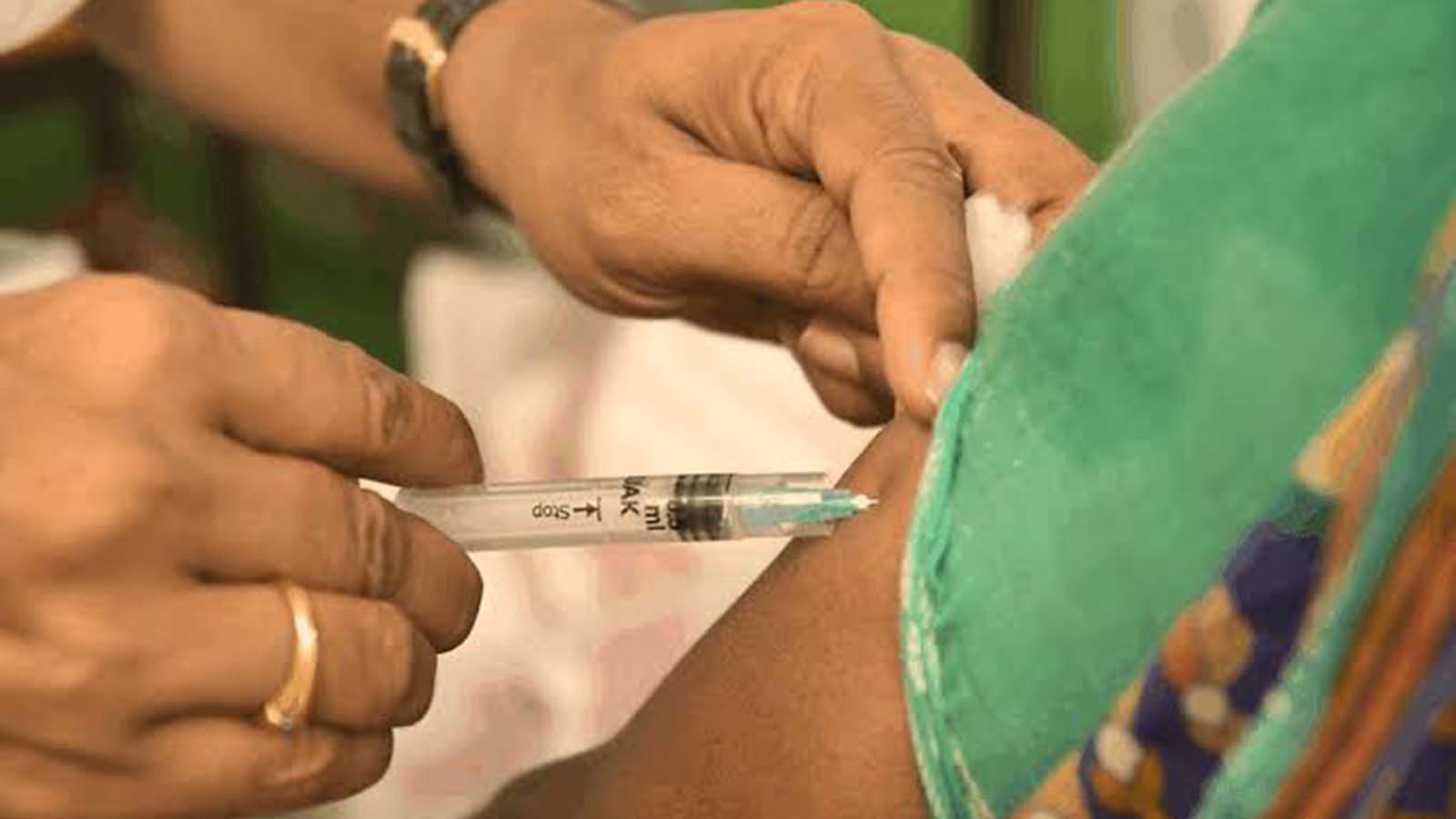
Ivan Zhakata
Herald Correspondent
AN estimated 13,5 million children did not receive a single routine vaccine in 2025 despite modest improvements in global immunisation coverage, with most of them living in countries affected by conflict, fragility and humanitarian crises, the latest World Health Organisation (WHO) and UNICEF estimates have revealed.
The WHO-UNICEF Estimates of National Immunisation Coverage (WUENIC) 2025 showed that 90 percent of infants, nearly 116 million children, received the first dose of the diphtheria, tetanus and pertussis (DTP1) vaccine, while 85 percent completed the recommended three-dose schedule.
The estimates indicate that the number of “zero-dose” children fell by nearly 750 000 from 2024, but global coverage remains one percentage point below pre-pandemic levels.
In a statement, UNICEF Office of Strategy and Evidence – Innocenti Chief Statistician and Deputy Director, Mr João Pedro Azevedo, urged governments and development partners to use the findings to strengthen immunisation programmes worldwide.
“We invite you to explore these estimates, integrate them into your work, and share them within your networks,” said Mr Azevedo.
He said WHO and UNICEF were calling on governments and partners to prioritise locally led strategies and domestic investment that integrate immunisation into primary healthcare systems.
“WHO and UNICEF call on governments and partners to prioritise locally led strategies and domestic investment that embed immunisation within primary healthcare, to strengthen immunisation in fragile, conflict and vulnerable settings, to counter false and misleading health information through evidence-based approaches, to invest in the data and disease surveillance systems that guide high-impact programmes, and to sustain global funding for immunisation partnerships like Gavi,” he said.
According to the estimates, global vaccination coverage has remained largely unchanged since 2009, masking wide disparities between countries.
While DTP3 coverage increased in 58 countries, it declined in 59 others, with the sharpest setbacks recorded in fragile, conflict and vulnerable settings where more than half of the world’s zero-dose children now live.
The report also shows that 20,8 million children remain unprotected against measles, leaving millions at risk of outbreaks of the highly contagious disease.
Sudan recorded the biggest improvement in first-dose DTP coverage, registering a 35-percentage-point increase, the largest gain by any country in 2025.
The estimates further reveal a decline in immunisation data collection, with only 18 nationally finalised immunisation surveys submitted in 2025 compared to 50 in 2024.
WHO and UNICEF said sustained investment in routine immunisation, stronger disease surveillance systems and continued support for global immunisation partnerships would be critical to ensuring every child has access to life-saving vaccines, regardless of where they live.