admin
admin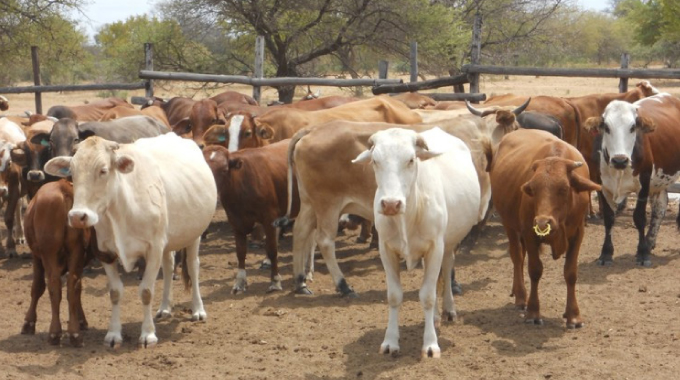
Elita Chikwati Senior Agriculture Reporter
The country has lost 15 000 cattle to tick-borne diseases, especially the January Disease (Theileriosis), with some households losing their entire herds in the worst affected areas, the Department of Veterinary Services has said.
The worst affected districts were Goromonzi, Marondera, Chikomba, Wedza, Buhera, Chivhu, Gutu, Chegutu, Centenary, Bindura and Shamva.
According to the department’s deputy director, Dr Chenjerayi Njagu, tick-borne diseases are caused by deadly disease blood parasites spread from one animal to another by ticks.
“Tick-borne diseases such as January, Redwater, Gall sickness and Heartwater account for 20-30 percent of cattle deaths annually,” he said.
“The peak period for the tick-borne diseases is in the hot wet season which presents ideal environmental conditions for breeding of ticks.”
Dr Njagu advised farmers to start intensive dipping (weekly dipping) to interrupt the breeding cycle of ticks and prevent a build-up of tick population in the veld. “Farmers should attend all dipping sessions provided for by Government in the communal sector,” he said.
“They should also pay their dipping fees to facilitate constant supply of dipping chemicals. It is not allowed to move tick-infested cattle from one area to another as this will aid the spread of tick-borne diseases. Commercial farmers should stock adequate dipping chemicals for the rainy season and ensure they dip their animals weekly.”
Dr Njagu said the best method for tick control was plunge dipping.
“Where plunge dip is not available, farmers can spray their animals with dipping chemicals or use pour-on dipping chemicals,” he said.
“When farmers opt to use hand spraying, they need to ensure they have good handling facilities to properly restrain animals and allow thorough wetting of every part of the animal. Farmers should also report sick or dead animals to their nearest veterinary office for assistance.”



 Online Reporter