


 Online Reporter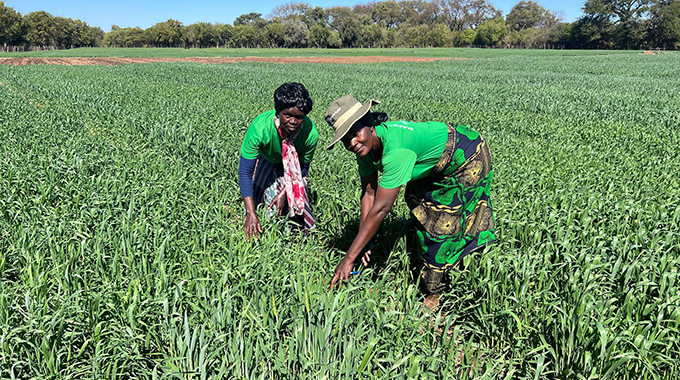
Sukulwenkosi Dube-Matutu, Matabeleland South Bureau
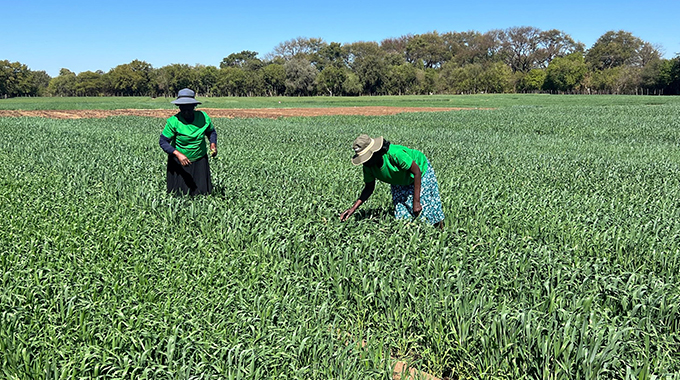
MORE than 150 village horticulture gardens will be established in Matabeleland South Province under the Horticulture Enterprise Enhancement Project (Heep), a transformative initiative aimed at reviving the horticulture sector and boosting the economy.
Heep, which will be implemented in four provinces, seeks to empower rural smallholder farmers, integrate them into mainstream horticulture value chains and enhance production, productivity and market participation.
The programme will also contribute to job creation, export expansion and poverty reduction.
In Matabeleland South, the project targets Matobo, Insiza, Beitbridge, Gwanda and Mangwe districts. Other participating provinces include Masvingo, Manicaland and Midlands.
Speaking after an inception meeting in the province, Heep national project co-ordinator Mr Pedzisai Nemadziva, said each village horticulture garden will cover 1,25 hectares, with one hectare dedicated to commercial production and the remainder for household nutrition. Each garden will accommodate 50 members.
“In each of the five targeted districts, we are going to develop village horticulture gardens, bringing the total in the province to 155. The gardens will target vulnerable households located near irrigation sources,” he said.
Mr Nemadziva said the project provides materials and resources for beneficiaries and trains farmers to grow specifically for market demand. He said farmers will be trained on how to identify buyers and market their produce even before production begins, improving incomes and food security.
“Farmers’ livelihoods will be enhanced through improved incomes and improved food security,” said Mr Nemadziva.
Ministry of Lands, Agriculture, Fisheries, Water and Rural Development business development director, Mr Abraham Mashumba, said Heep aligns with the national agriculture blueprint, the National Agriculture Food Systems and Rural Development Strategy.
“We rolled out the pioneer programme, which is the Smallholder Irrigation Revitalisation Programme (Sirp), which set up the water component and now we are bringing in Heep, which looks at the horticulture component,” he said.
Mr Mashumba noted that Zimbabwe is spending a lot of money on importing horticultural products, yet foreign currency resources could be saved through boosting local production.
“We want to move horticulture at the small holder level from the subsistence approach to a market-oriented approach. The farmers won’t grow until they have a market,” he said.
“While the programme will be implemented in certain areas, it doesn’t mean that we are leaving out other districts.
Our programming through Agricultural Rural Development and Advisory Services continues. Heep is additional assistance, but we will continue with the Rural Development Agenda 8.0, which also has horticulture as a major component.”
The Government recently launched the eight-year US$66,5 million Horticulture Enterprise Enhancement Project (Heep), to directly benefit 71 000 smallholder farmer households and indirectly 50 000 by 2031.
It will establish 620 village business units (VBUs) and enhance Public-Private-Producers Partnerships (4Ps), providing targeted capacity building, matching grants and public infrastructure investments.
The project is jointly funded by the Government of Zimbabwe, the International Fund for Agricultural Development, and the Opec Fund for International Development (Ofid). The first phase will cover 20 districts across Matabeleland South, Manicaland, Masvingo and Midlands.
The investments are projected to yield various socio-economic benefits, such as enhanced income through the commercial sale of horticultural produce from Village Horticulture Gardens (VHGs), improved nutrition, gains in efficiency through public infrastructure investments, enhanced rural connectivity, job creation across both farm and non-farm activities, and bolstering local economies, among others. Heep is fully aligned with national strategies, including the Horticulture Recovery and Growth Plan, the Agriculture Food Systems and Rural Transformation Strategy, and the National Development Strategy (NDS1).
— @DubeMatutu


