Theseus Shambare in CHIPINGE
MORE than 17 000 people in five wards of Chipinge District have benefited from climate resilience interventions aimed at strengthening food security, water access and rural livelihoods ahead of the anticipated El Niño season.
The interventions, implemented under the Southern Africa Compounded Crisis (SACC) Project by the Zimbabwe Red Cross Society (ZRCS) in partnership with the International Federation of Red Cross and Red Crescent Societies (IFRC), have reached 17 122 people across Wards 20, 21, 27, 28 and 29.
Funded by the Netherlands Red Cross, the project combines solar-powered water infrastructure, climate-smart agriculture, aquaculture and livelihood diversification.
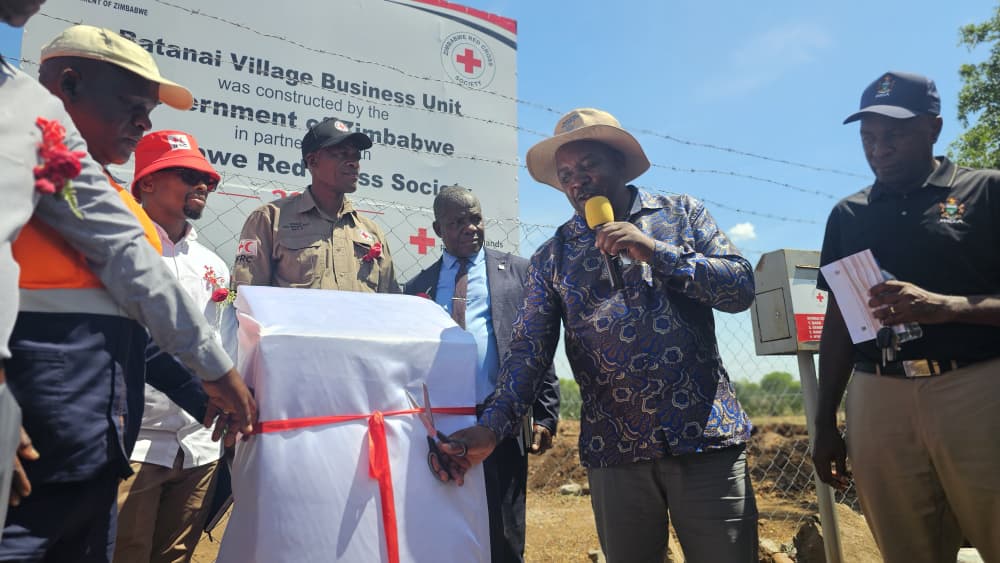
The achievements were celebrated on Thursday during the commissioning of the Muzarangebeto solarised borehole and handover of five Village Business Units (VBUs): Tasimuka in Ward 20, Tamanewako 2 in Ward 21, Batanai in Ward 27, Chinyamungwiriri in Ward 28 and Batanai in Ward 29.
Five boreholes have been solarised at Muora, Mupanda, Muzarangebeto, Chinyamungwiriri and Chikarati, while nine handpumps were rehabilitated and six repaired.
The project also supported 3 000 households with drought-tolerant sorghum and cowpea seeds, trained 53 lead farmers in climate-smart agriculture and established 25 Village Savings and Loans groups.
Five fishponds have been lined, with two fully equipped and connected to solar-powered water systems.

Representing Manicaland Minister of State for Provincial Affairs and Devolution Advocate Misheck Mugadza, Director of Economic Affairs and Investment Promotion Munyaradzi Rubaya said communities needed integrated interventions to address the effects of climate change.
“Communities across Zimbabwe continue to experience the compounded effects of climate change, recurrent droughts, food insecurity, water shortages and limited livelihood opportunities. These interconnected challenges require integrated and sustainable interventions that address both immediate needs and the underlying vulnerabilities of communities,” he said.
Rubaya said the solarised borehole was an investment in health, food security and agricultural productivity, while the Village Business Units provided opportunities for income generation and improved household food security.
ZRCS Secretary General Elias Hwenga said sustainable resilience depended on communities having access to essential services, diversified livelihoods and the capacity to manage risks.
“Sustainable resilience can only be achieved when communities have access to essential services, diversified livelihood opportunities and the capacity to manage risks affecting their wellbeing,” he said.
Hwenga urged beneficiaries to take ownership of the infrastructure and ensure its responsible use, management and maintenance, saying the project’s long-term success would depend on how well communities protected and sustained the investments.
IFRC Harare Cluster Head of Delegation Kopano Masilo commended ZRCS for its credibility in implementing internationally funded programmes, saying its work had enabled local communities to benefit from international support.
“Communities in this part of Chipinge are benefiting today from international mobilization of funding because Zimbabwe Red Cross is a credible partner,” he said.
Masilo also praised Government involvement and community ownership, noting that local participation was essential in ensuring that the projects delivered lasting benefits beyond the period of donor support.
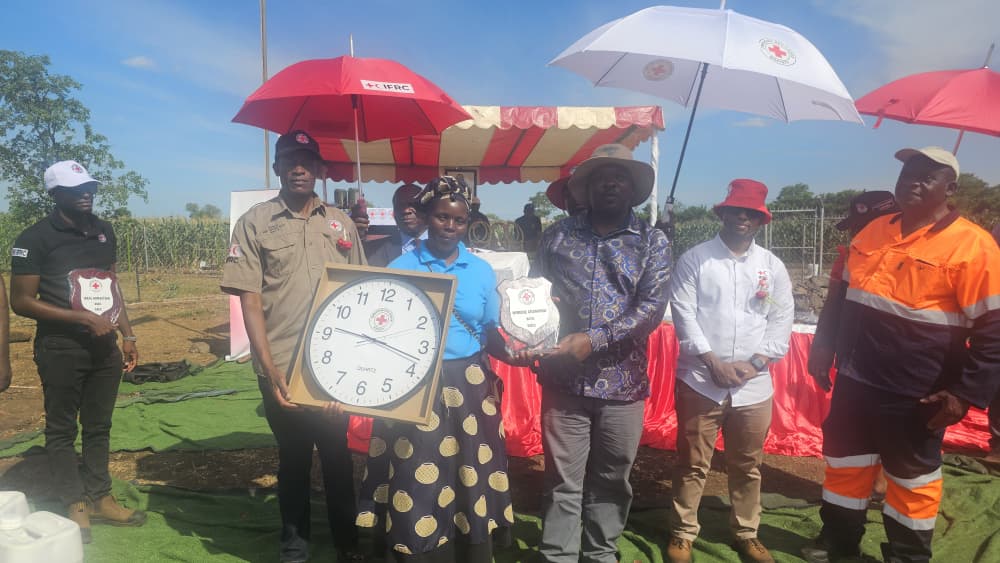
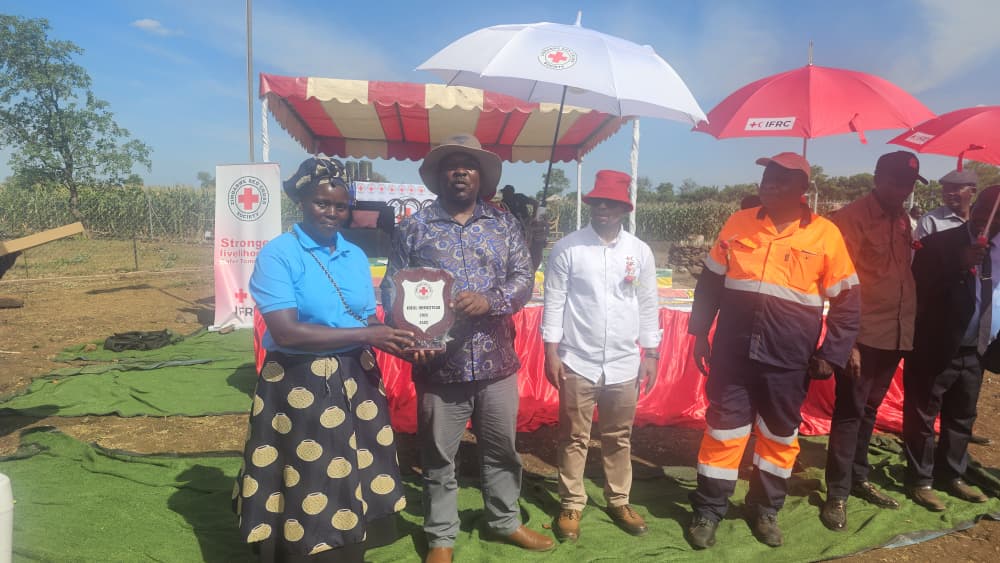
Meanwhile, Batanai VBU emerged as the overall winner in the Best Village Business Unit competition, with Chinyamungwiriri taking second position. The winning units received household and agricultural equipment, including wheelbarrows, shovels, knapsack sprayers, watering cans and pruning shears.
Batanai VBU clerk Elson Mhaara said the award had strengthened their commitment to sustaining production.
“We are happy to have been awarded. We want to make sure this garden continue producing. This is a legacy which we are going to leave for our children and grandchildren,” he said.
Precious Sibanda of Bhande Village won the 2026 Best Ideal Homestead award for implementing water, sanitation and hygiene principles at her home.
She said the knowledge acquired through the programme would benefit her beyond the recognition.
“I am happy for being awarded this but most importantly, I have lifetime benefit of having knowledge. I hope to continue imparting the same knowledge to others,” she said.
Other awards recognised outstanding Community Health Clubs, drama and song groups, hygiene champions and Village Savings and Loans groups.
Running from May 2025 to December 2026, the SACC Project seeks to strengthen climate resilience, food security and livelihoods among vulnerable households in Chipinge.