Online Reporter
The Zimbabwe Open University (ZOU) will continue to break down geographical barriers to expand access to education and equip learners with the knowledge and skills needed to develop practical solutions that contribute to the country’s socio-economic development.
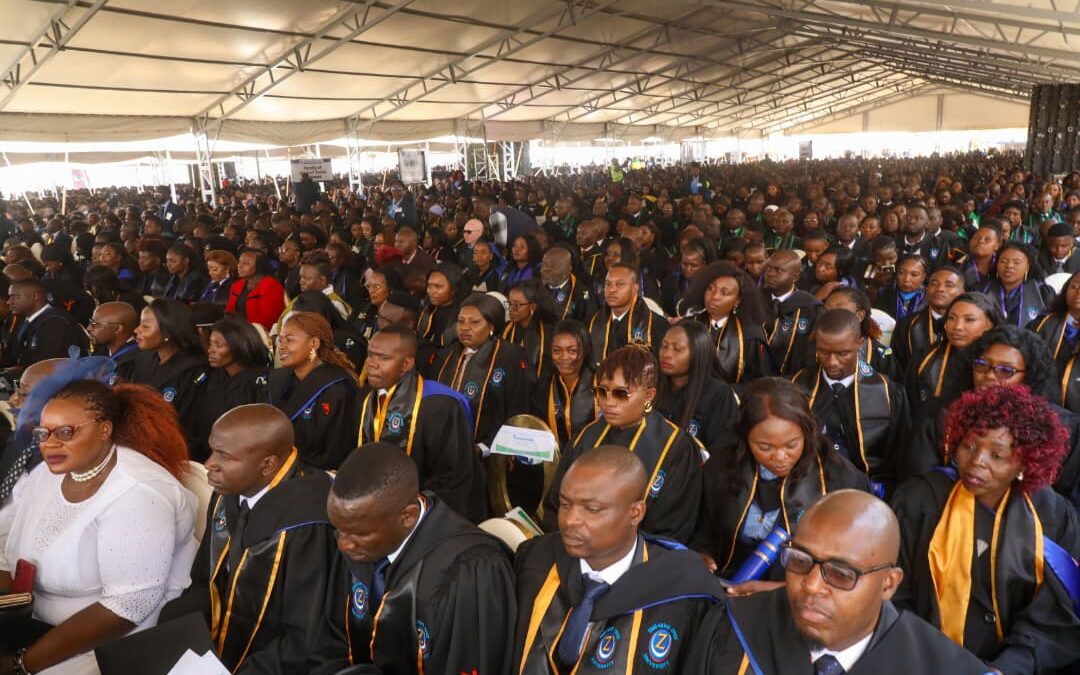
Speaking at the university’s 24th graduation ceremony at its campus in Harare today, Vice-Chancellor Professor Paul Henry Gundani said open, distance and flexible learning remain critical in broadening access to higher education and developing the human capital needed to achieve Vision 2030.
President Mnangagwa is presiding over the graduation ceremony, where he has just conferred degrees on 2729 graduands across various disciplines, including Engineering, Natural and Applied Sciences, Agriculture and Law.
The ceremony is being held under the theme, “Advancing Human Capital for Vision 2030 through Open, Distance and Flexible Learning.”
“This theme underscores our unwavering commitment to broadening access to higher education by breaking down geographic, temporal and socio-economic barriers in the country and beyond,” he said.
“By leveraging flexible learning pathways, the university reaches working professionals, remote communities and non-traditional learners across the nation and beyond our borders, ensuring that high-level skills development aligns directly with the milestones set out in Vision 2030.
“Through open, distant, flexible learning, academic training translates immediately into community-led innovation, local industry support and sustainable economic growth.”
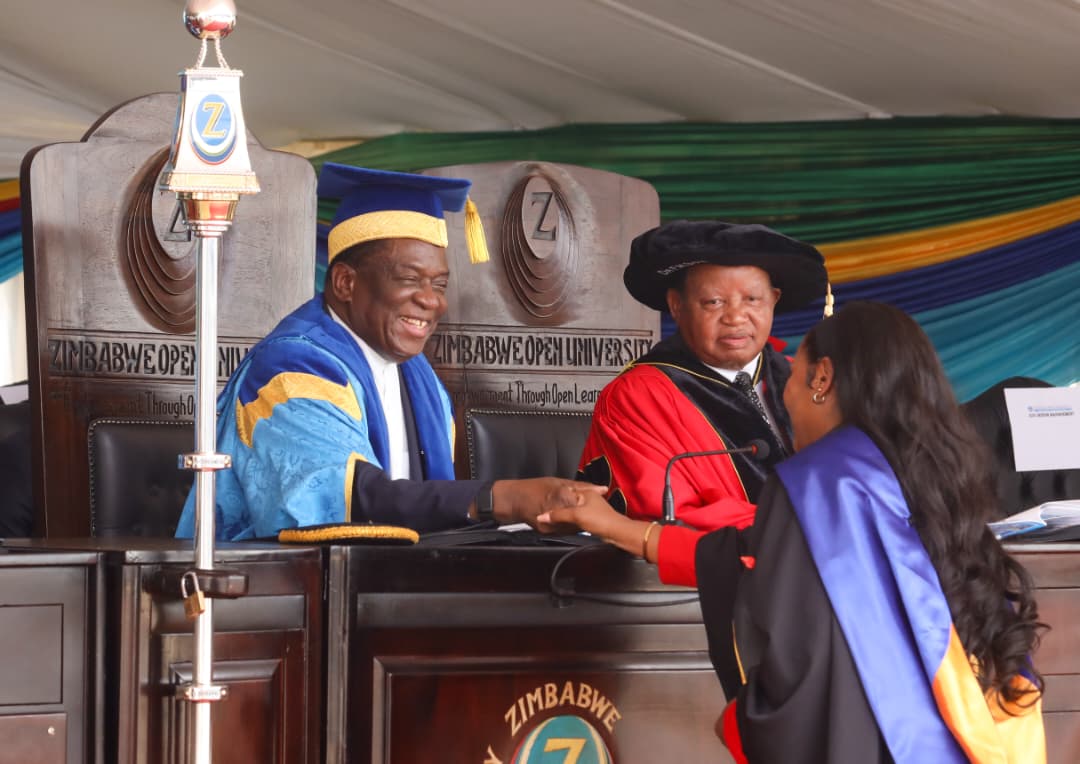
He said the university seeks to ensure all communities in the country are equipped with knowledge and skills that contribute to the country’s development.
Prof Gundani also said the institution continues to contribute to Education 5.0 through research and innovation.
He said this ensures graduates produced contribute to economic growth and job creation in the country.
” As Zimbabwe’s premier distance learning institution, Zimbabwe Open University continues to deepen its contribution to heritage-based Education 5.0 through teaching, research, community service and engagement, innovation and industrialisation,” he added.
“Guided by our strategic plan and the national development agenda, we remain committed to producing graduates who are not merely seekers of employment, but job creators, innovators and responsible citizens.”
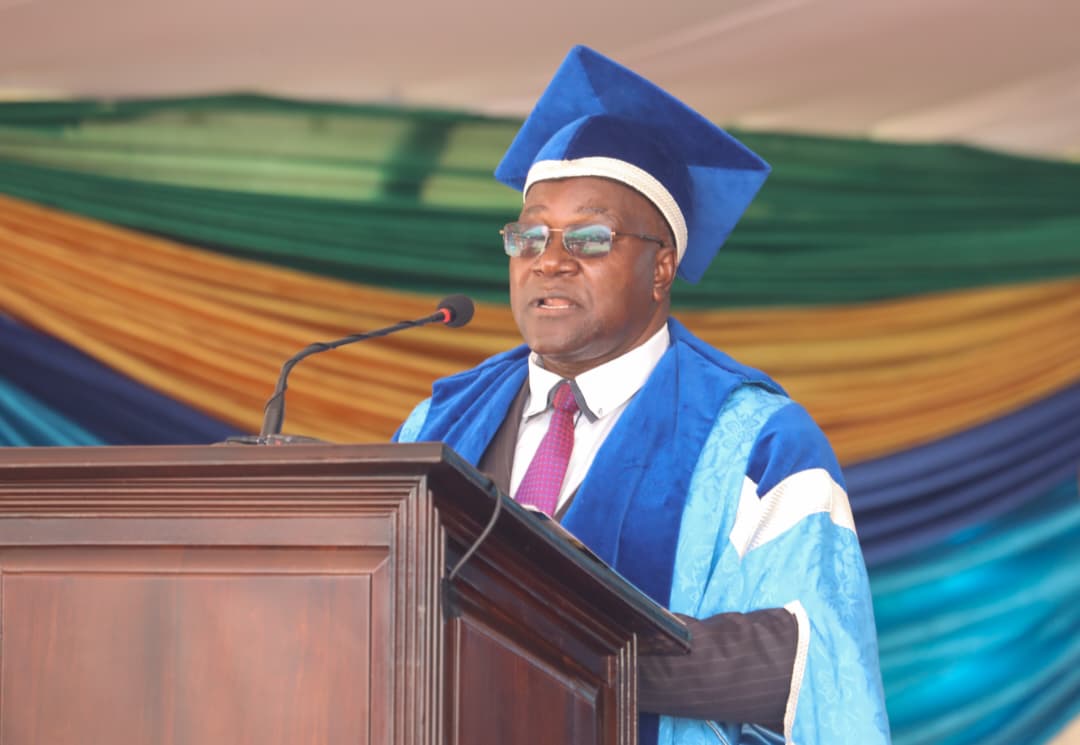
He also highlighted some of the institution’s major achievements, which include the ZOU Research and Innovation Week held from July 28 to 31 July this year, as well as the ZOU Clothing and Textile Factory.
The Clothing and Textile Factory has expanded into producing corporate wear and protective equipment for external organizations and has created employment.
The VC also highlighted that ZOU deployed a team of professional counsellors to Kariba to provide free counselling and psychosocial support to survivors and bereaved families affected by the tragic Lake Kariba ferry disaster of August 11 this year.
Prof Gundani said the institution will continue to transform lives and communities across the country towards Vision 2030.
“As we look ahead, ZOU remains fully committed to supporting the attainment of Vision 2030 by producing innovative, competent and ethical graduates,” he said.