Business Reporter
EARLY-STAGE startups and small and medium-sized enterprises (SMEs) must shift towards alternative funding models, such as angel investment, to overcome persistent bank financing hurdles and scale operations within Zimbabwe’s evolving corporate landscape.
Speaking during a presentation titled “Unlocking the Capital Stack: The Funding Story” at the Confederation of Zimbabwe Industries (CZI) Strategic Intelligence Forum in Harare, corporate advisory, independent business consulting and capital raising solutions provider Capesso Global’s managing director, Mr Mkhululi Ndlovu, told delegates that traditional commercial banking structures remain ill-suited to the nation’s budding entrepreneurs.
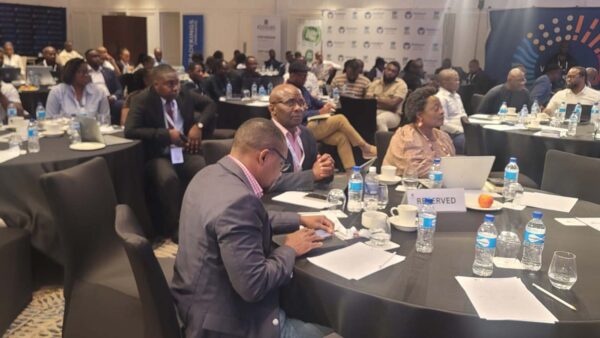
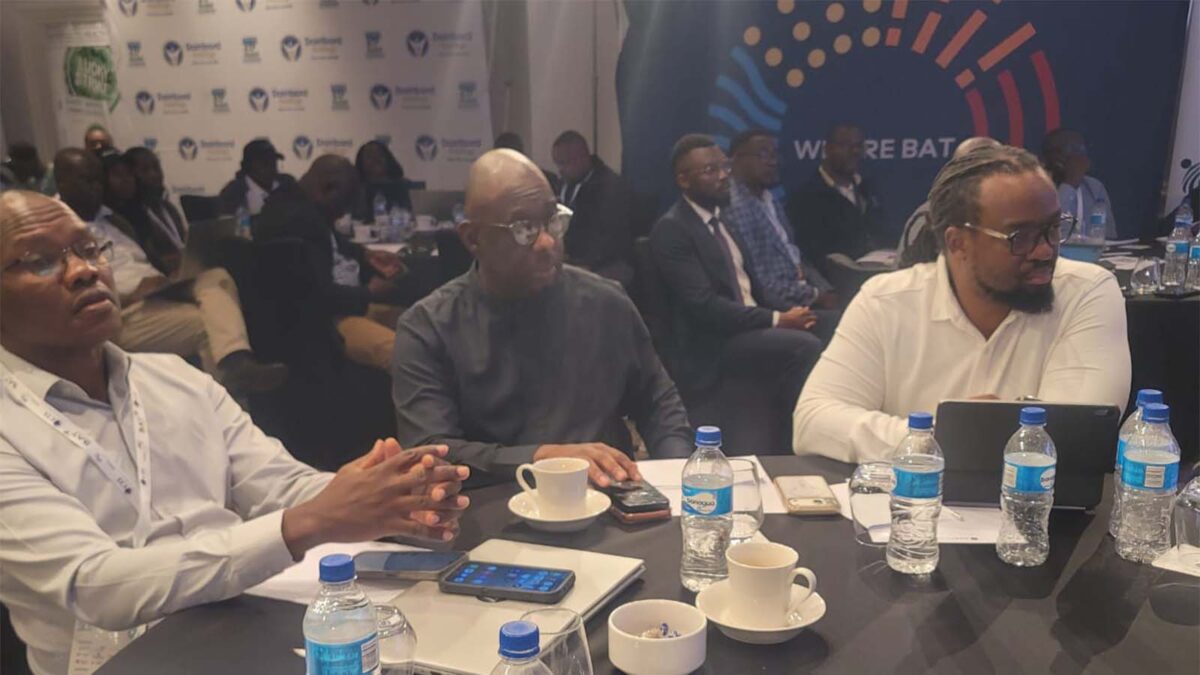
The three-day forum, organised in partnership with Zimpapers, brought together business executives, board members, regulators, entrepreneurs, development partners and sustainability practitioners.
Presenting economic data, Mr Ndlovu highlighted that SMEs constitute 76.1 per cent of Zimbabwe’s business landscape, contributing US$14.2 billion to the national economy, adding US$8.6 billion in value and employing 70 per cent of the local workforce. Despite this footprint, the majority of early-stage ventures remain stranded in the “missing middle” — too large for personal micro-funding, yet lacking the collateral required by traditional commercial banks.
“The traditional banking space uses models based on what assets you have,” Mr Ndlovu told the forum.
“The moment you can convince someone to part with a dollar… because what you are giving them has more value, that is intrapreneurship… You must be a person of value. What value can you exchange without taking someone’s money?”
The Zimbabwean startup landscape ranks 117th globally and fourth in Southern Africa, boasting a 35.8 per cent growth rate driven by sectors such as fintech, agritech, e-commerce and software development.
However, local founders frequently contend with a “jurisdiction jacket” — a country-risk discount imposed by international investors — forcing enterprises to rely heavily on local capital networks.
To bridge this “valley of death” — the vulnerable growth phase where pre-revenue or early-traction startups exhaust personal savings — Mr Ndlovu called for structured angel investor networks.
“An angel investor is not a person with a lot of money,” Mr Ndlovu explained. “Most of it, angel investment is funding with a passion for the founder. It’s like you’re betting on a horse… It’s not about money per se, but it’s also about the network, the experience and the skills.”
Mr Ndlovu outlined how networks like the Heritage Angel Investor Network, established in 2018, utilise syndicates to pool capital, install governance structures, correct capital tables and provide hands-on mentorship.
This preparation makes early-stage firms “investment-ready”, paving the way for eventual public exits on regional exchanges such as the Victoria Falls Stock Exchange (VFEX).
Mr Ndlovu warned against institutional inaction, urging all stakeholders — including incubators, corporate hubs, universities and regulators — to actively support the startup pipeline.
“There was an important job to be done, and ‘Everybody’ was sure that ‘Somebody’ would do it… It ended up that ‘Everybody’ blamed ‘Somebody’ when ‘Nobody’ did what ‘Anybody’ could have done,” Mr Ndlovu said, calling on Zimbabwe’s private sector to actively back local high-potential startups.