

 admin
adminLiving on the edge of extinction
 Roselyne Sachiti Deputy Features Editor
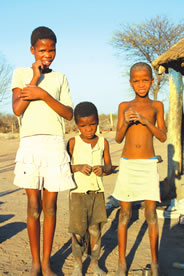
SHE is just a 10-year-old girl and from a tribe that, like a sore thumb, still sticks out of the rest of the community because of its rather attention-grabbing way of life.
Her copper brown skin, tightly coiled black hair resembling perfectly popped corn, high cheek bones and folded eye covers makes her quite distinct from other darker-skinned children.
The children are walking from the water point at Landelani Village, Chief Masvigana, Tsholotsho, but she remains outstanding.
Sithabiso Maphosa’s looks are the reason why their community in the country’s Matabeleland North Province, call people with features like hers, Amasili.
She belongs to one of the 27 Khoi San families that remain in the village years after their ancestors vanished. The other remaining Khoi San are found in Plumtree.
Barefoot
But, as the barefoot 10-year-old girl strolls along the parched ground under the scorching
Violence: You cannot talk it away
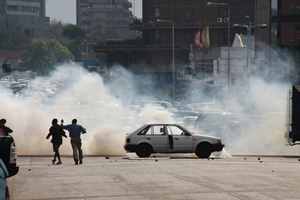
 The peroration by the leadership of Zimbabwe’s three main political parties over the issue of political violence in general, in particular the insanity that rocked Chitungwiza during the first weekend of November has been regurgitated and selectively lauded by various media units – all the time telling us that the gathering of politicians from across the political field was what it takes to end political violence in Zimbabwe.
It is a fact that the structures within Zimbabwe’s political parties are largely noxious, especially given the pernicious idea of what makes up a youth activist, something largely believed to be a matter of brawn and vicious conduct. Violence is often the means used by people and governments around the world when they intend to achieve political goals, be these goals ambition for political power, desire to attain improved social welfare, or a quest for social change.
Violence is often an expression of political feeling, in many cases when political parties and individuals find the political system